index
Brinco,
Cosa,
art in general,
Secure paradise
lorem ipsum,
ipsum lorem
lorem ipsum,
ipsum lorem,
ipsum lorem
lorem ipsum,
ipsum lorem,
ipsum lorem,
ipsum lorem
lorem ipsum
Loading JUDI WERTHEIN
Cosa (2009/10)
La tierra de los libres (2008)
Secure Paradise (2007)
Brinco (2007)
This Functional Family (2007)
Fotonovela (2006)
Brinco,
Cosa,
art in general,
Secure paradise
lorem ipsum,
ipsum lorem
lorem ipsum,
ipsum lorem,
ipsum lorem
lorem ipsum,
ipsum lorem,
ipsum lorem,
ipsum lorem
lorem ipsum
Lorem ipsum dolor sit amet, consectetur adipisicing elit. Dicta, voluptate! Commodi nobis quod rerum harum quam incidunt, adipisci itaque fugiat, illo impedit alias, molestias ad corporis, accusantium mollitia similique minus! ipsum dolor sit amet, consectetur adipisicing elit. Vel sed cumque quos earum excepturi minus, officia, ullam eum pariatur sunt. Eum labore ullam, provident laboriosam ea laudantium veritatis architecto esse.
Lorem ipsum dolor sit amet, consectetur adipisicing elit. Eum nihil excepturi dolore sapiente odio commodi dolores aliquam possimus, magnam nostrum libero enim quos asperiores est veniam, quas, voluptatem, sit assumenda. ipsum dolor sit amet, consectetur adipisicing elit. Vel sed cumque quos earum excepturi minus, officia, ullam eum pariatur sunt. Eum labore ullam, provident laboriosam ea laudantium veritatis architecto esse.
Lorem ipsum dolor sit amet, consectetur adipisicing elit. Itaque pariatur doloribus saepe porro nulla ut delectus, dolores molestias obcaecati, tempore soluta quidem quo molestiae debitis provident id ab? Eius, id. ipsum dolor sit amet, consectetur adipisicing elit. Expedita modi vero perferendis iusto voluptatum molestias, optio deserunt possimus! Maxime neque optio velit dolore. Reprehenderit quam at earum tempora dolorum nemo? ipsum dolor sit amet, consectetur adipisicing elit. Vel sed cumque quos earum excepturi minus, officia, ullam eum pariatur sunt. Eum labore ullam, provident laboriosam ea laudantium veritatis architecto esse.
Lorem ipsum dolor sit amet, consectetur adipisicing elit. Hic nam inventore sunt, placeat dolore tenetur obcaecati aperiam non exercitationem, asperiores rem illo architecto officiis, dignissimos maxime. Quos harum expedita beatae. ipsum dolor sit amet, consectetur adipisicing elit. Vel sed cumque quos earum excepturi minus, officia, ullam eum pariatur sunt. Eum labore ullam, provident laboriosam ea laudantium veritatis architecto esse.
Loading JUDI WERTHEIN
1
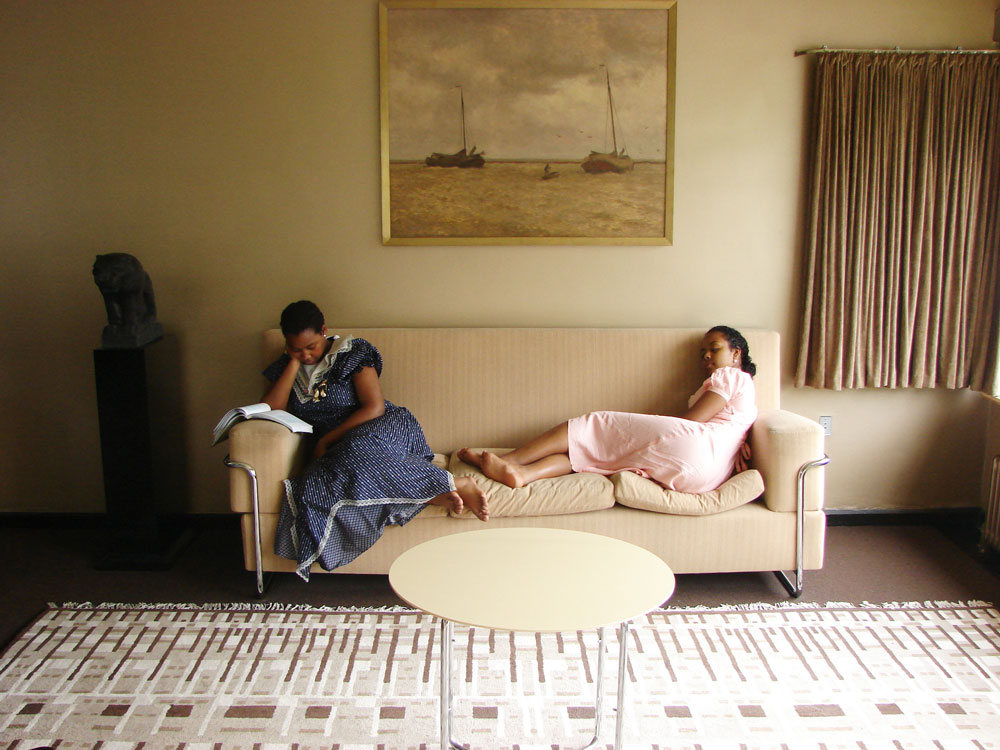
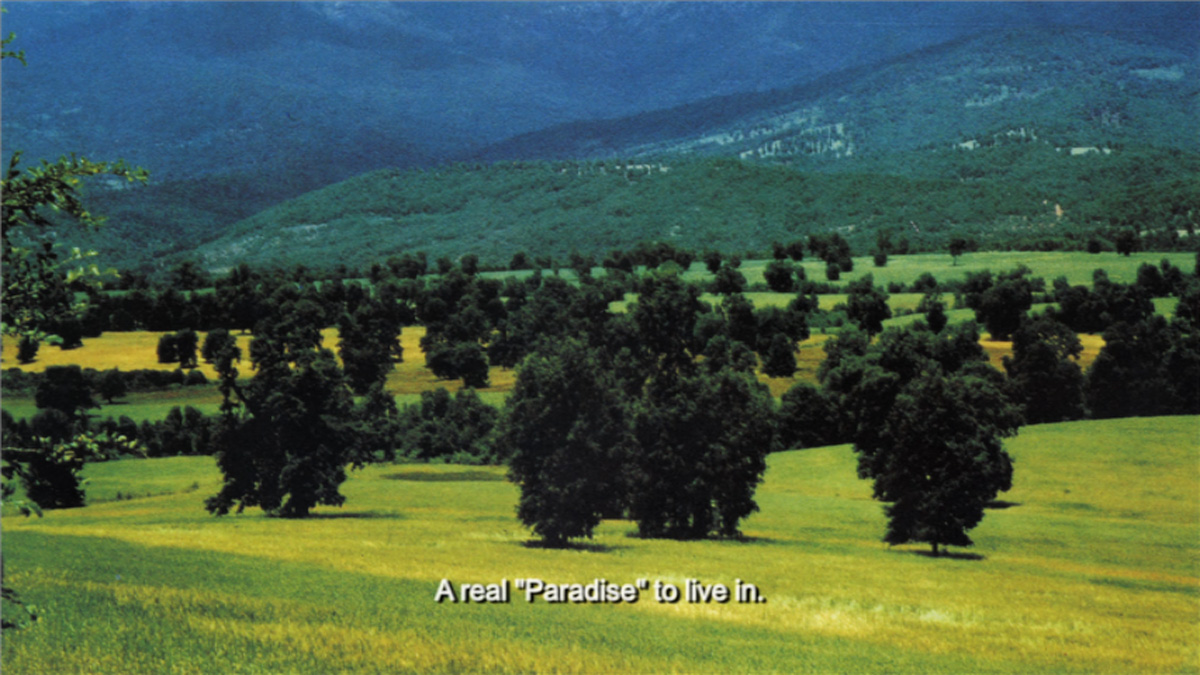
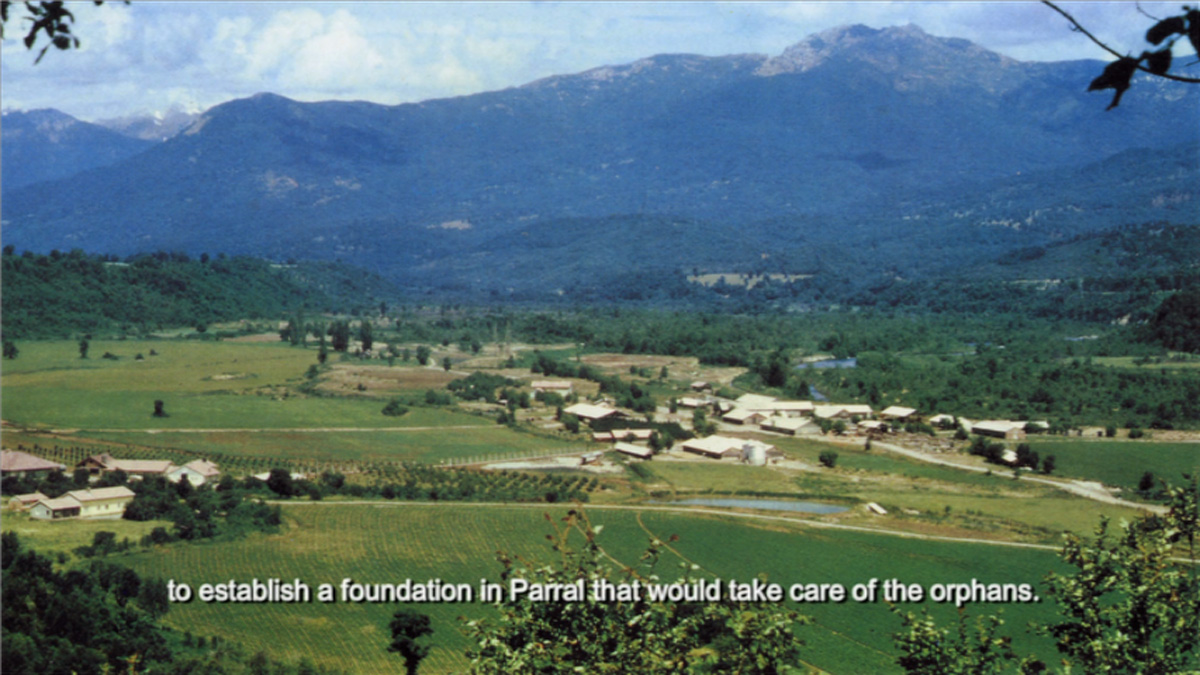
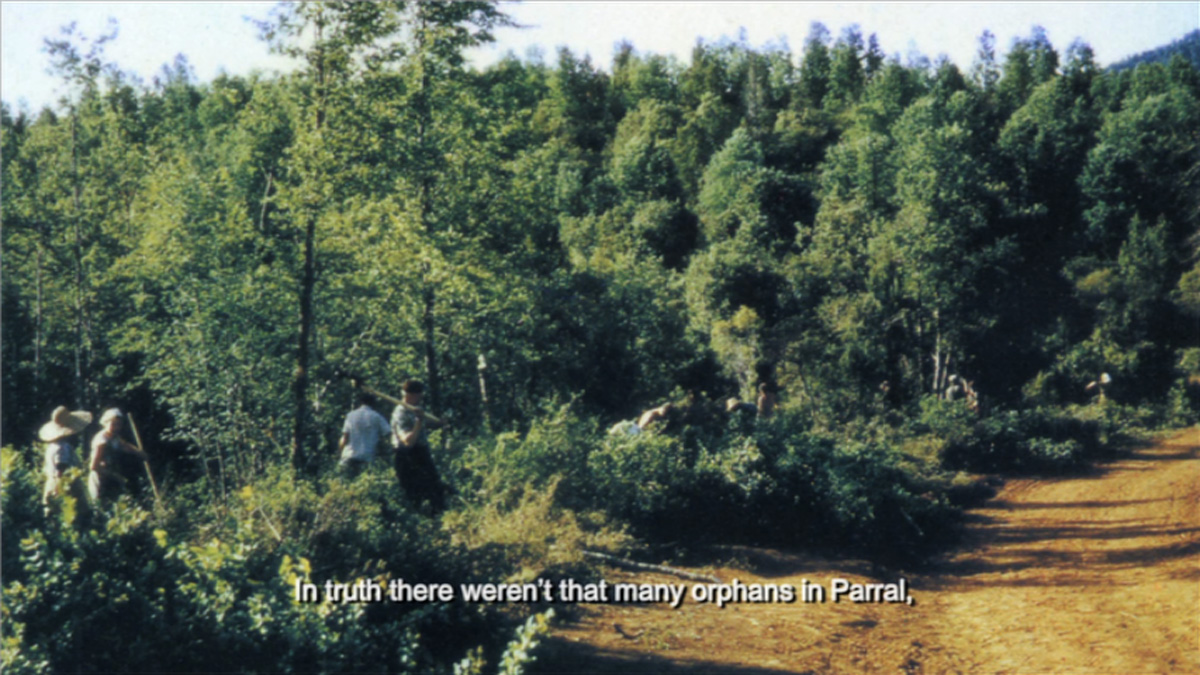
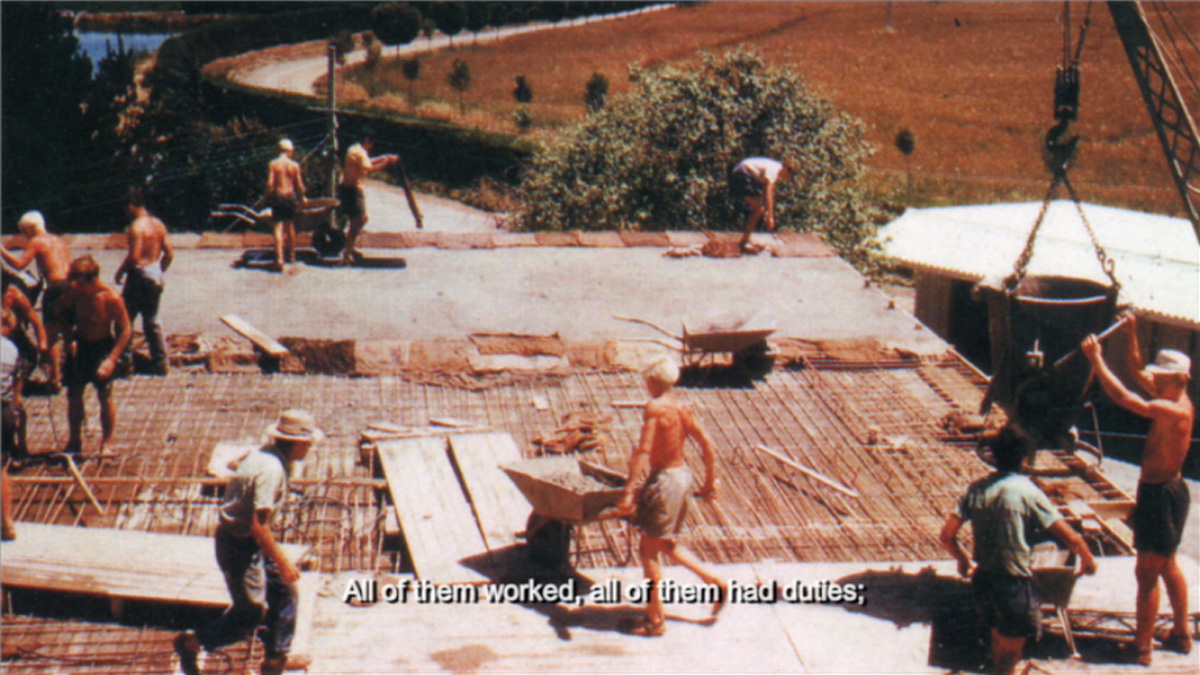
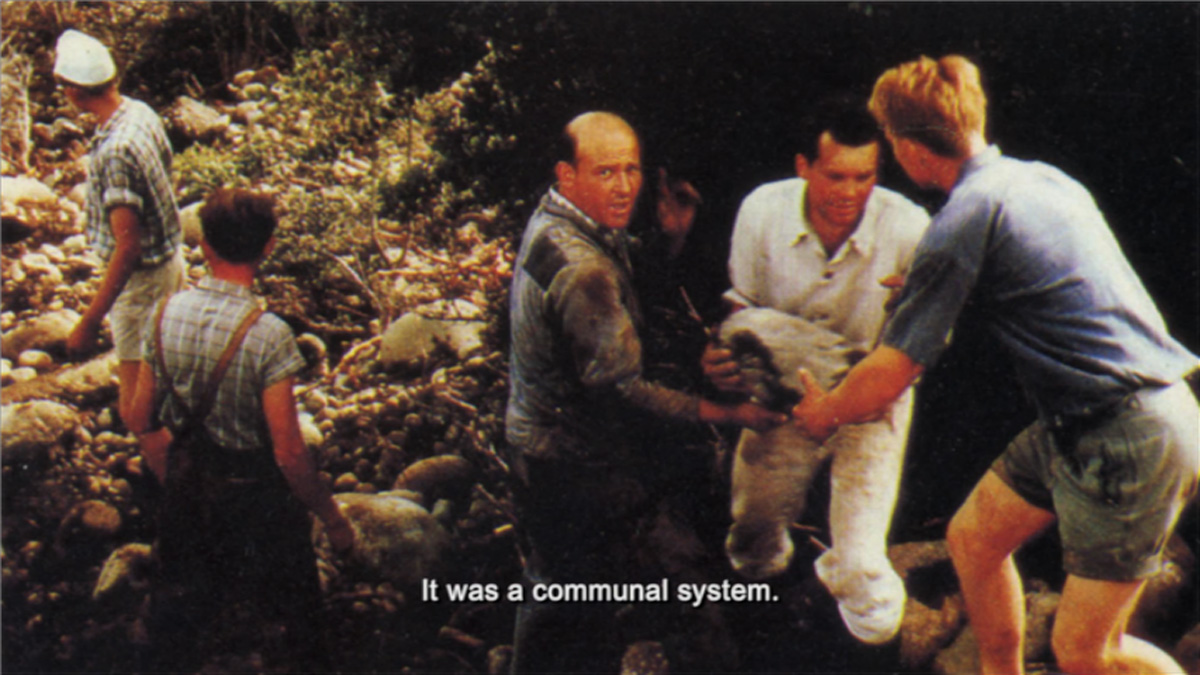
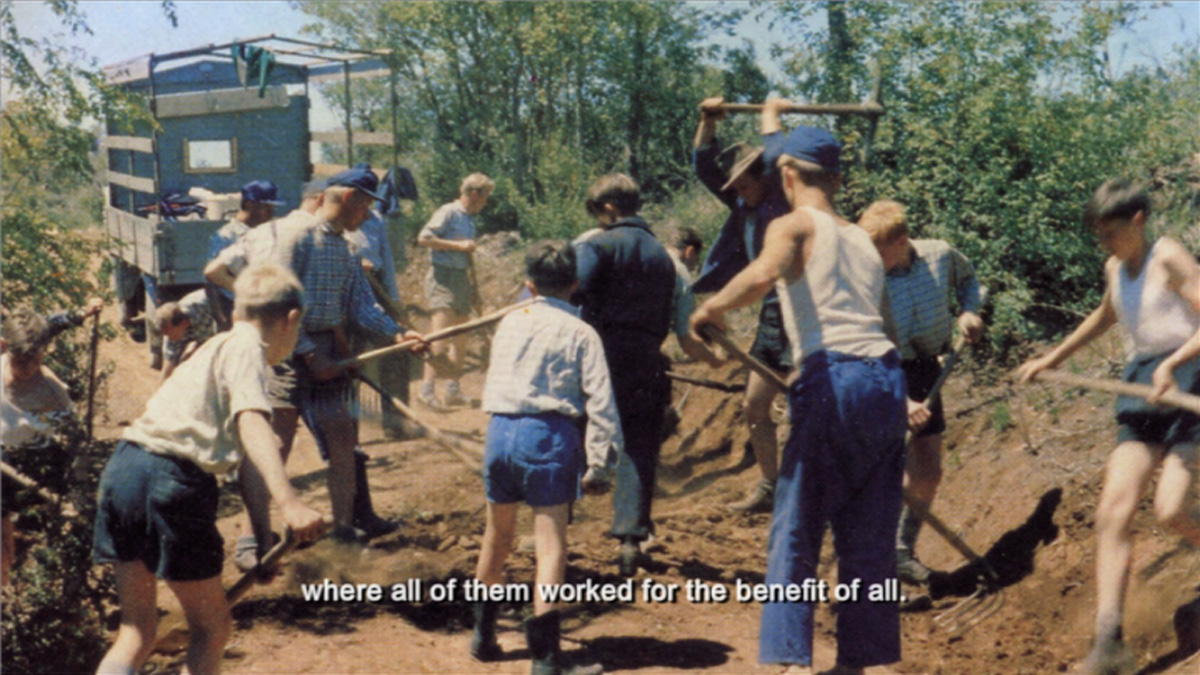
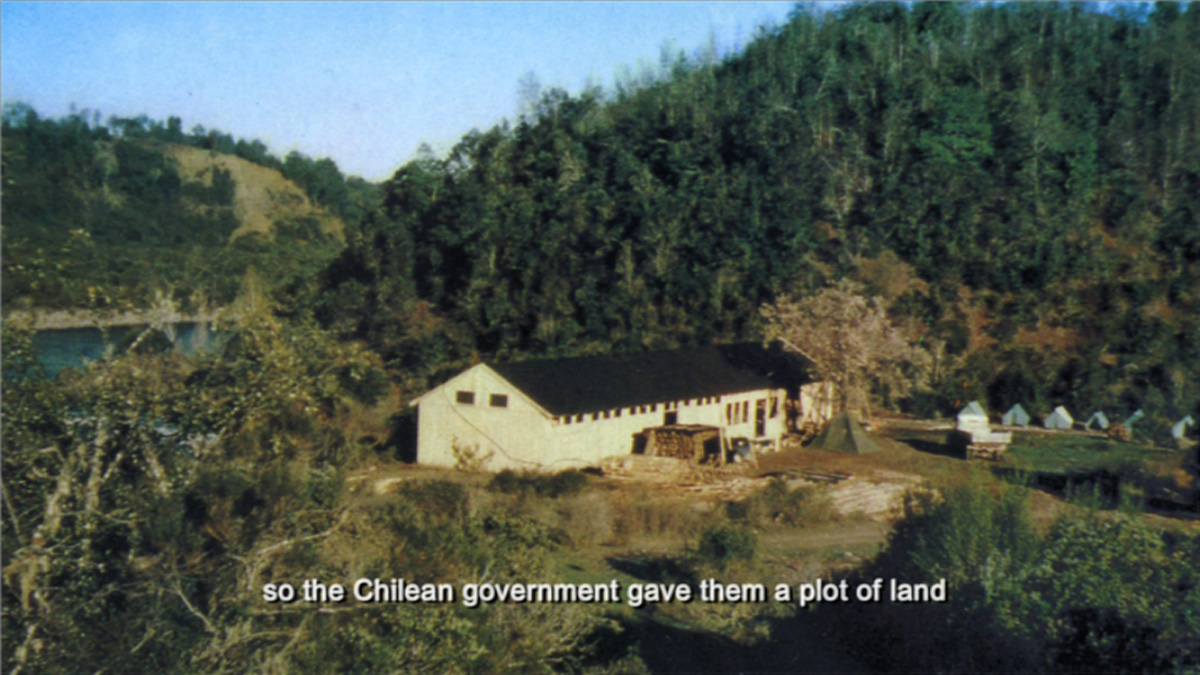
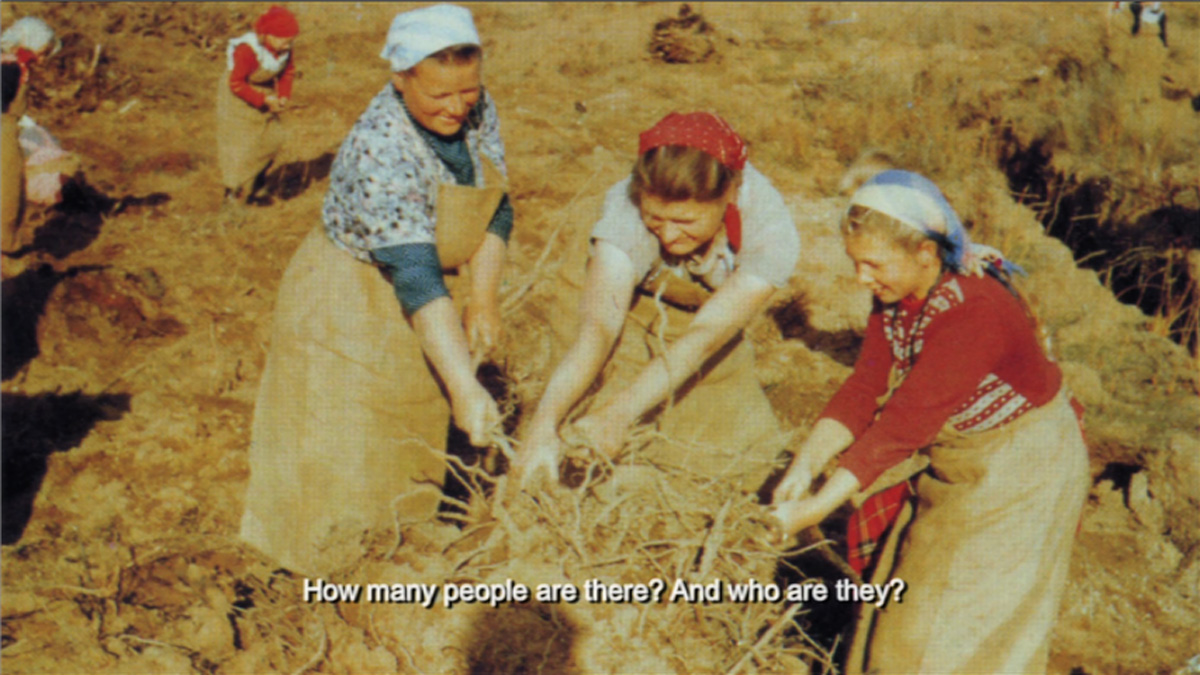
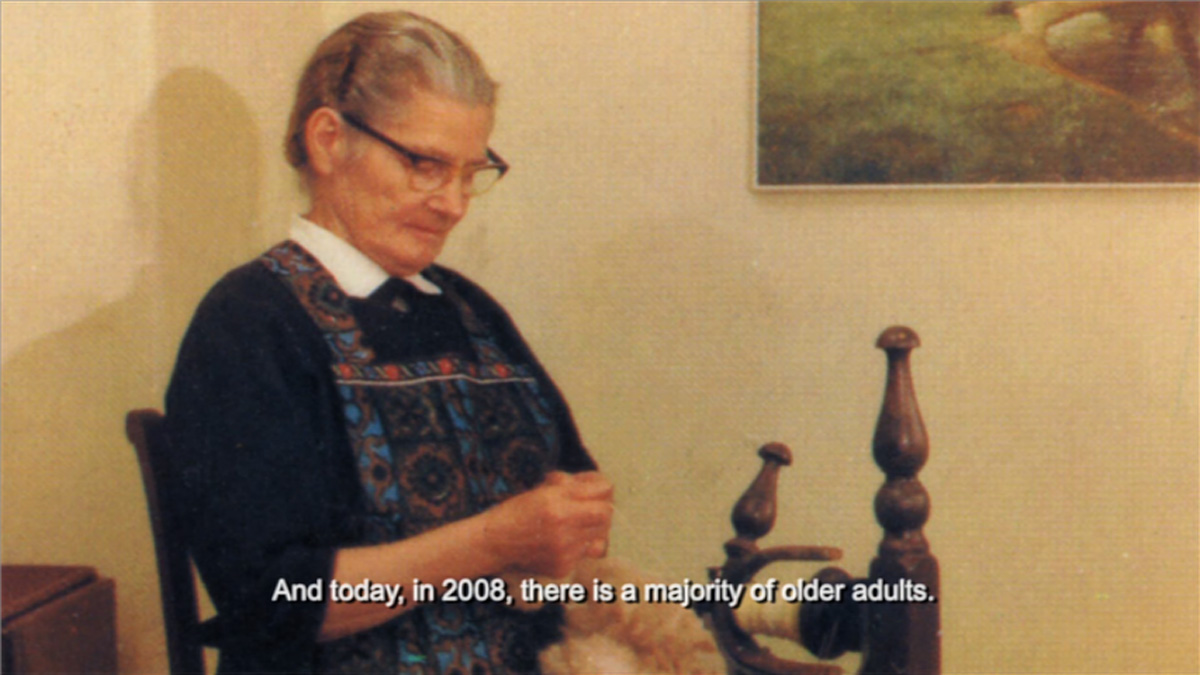
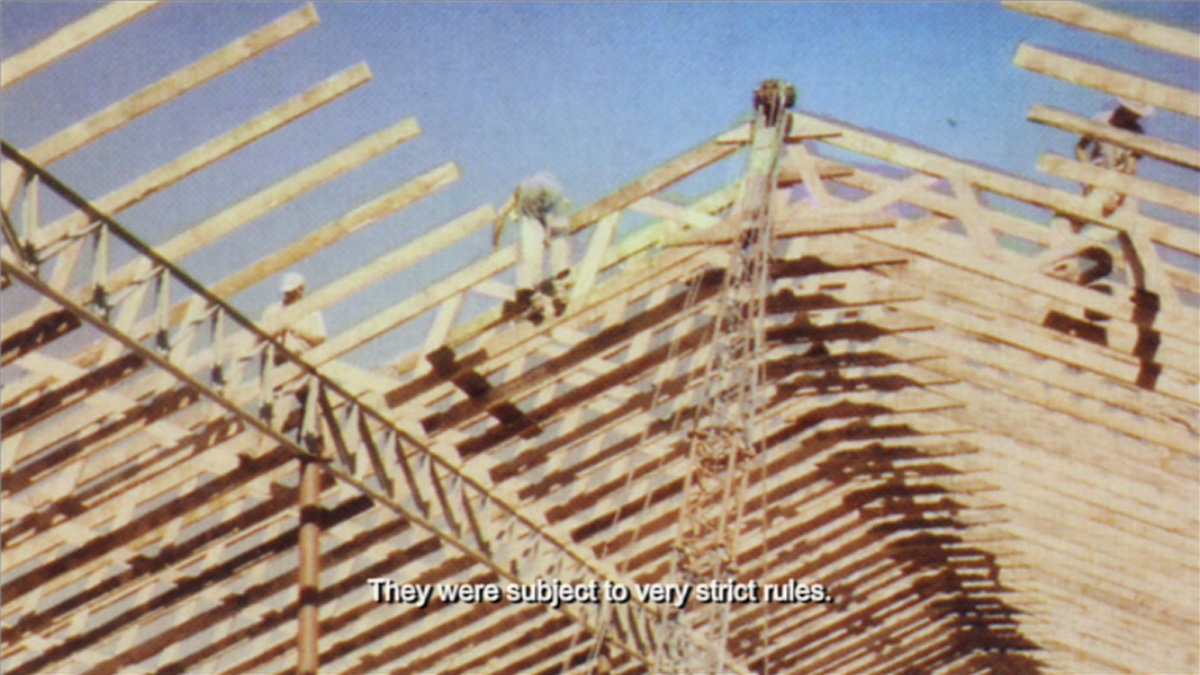
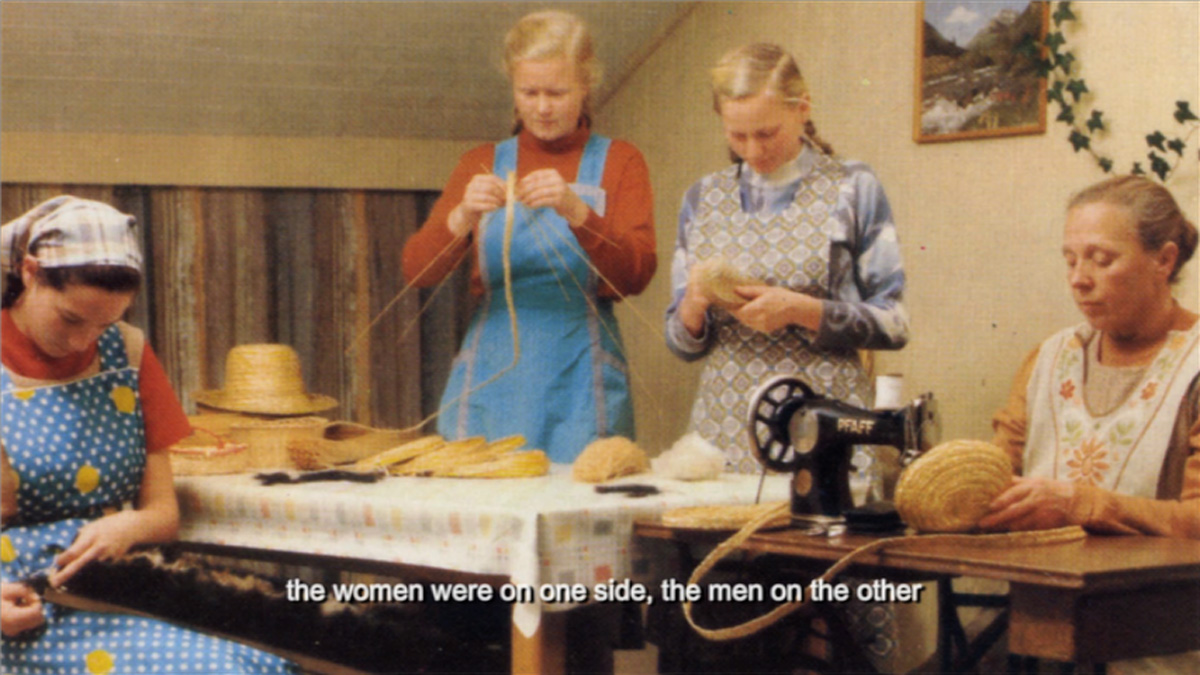
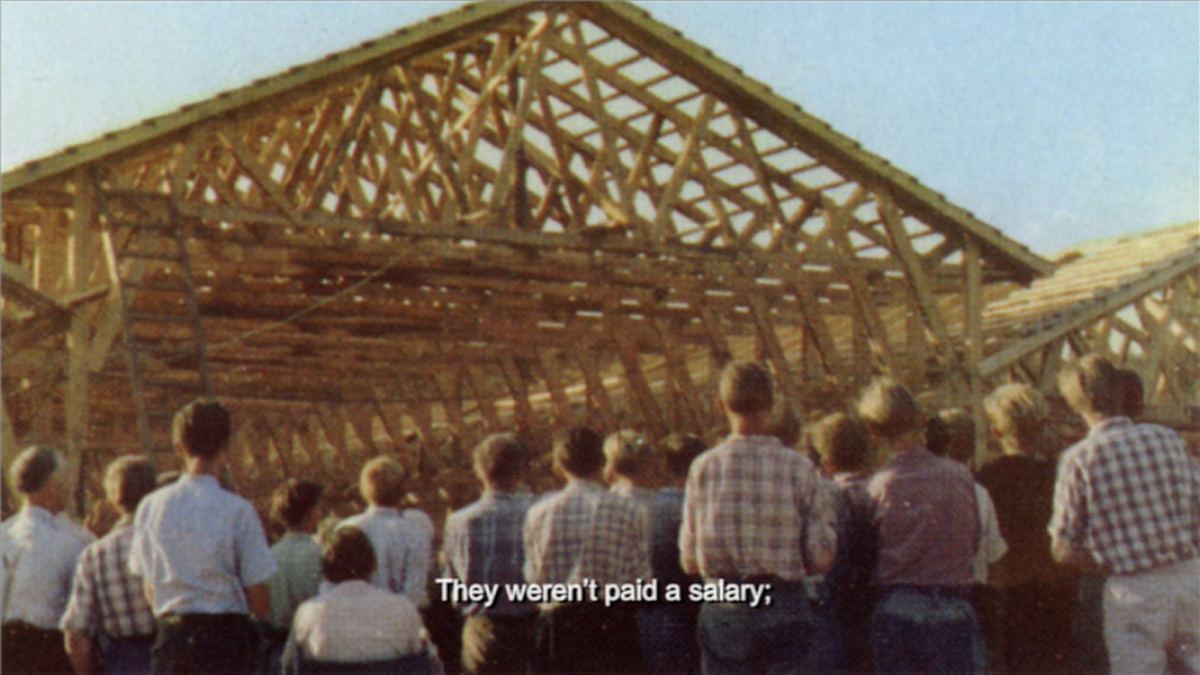
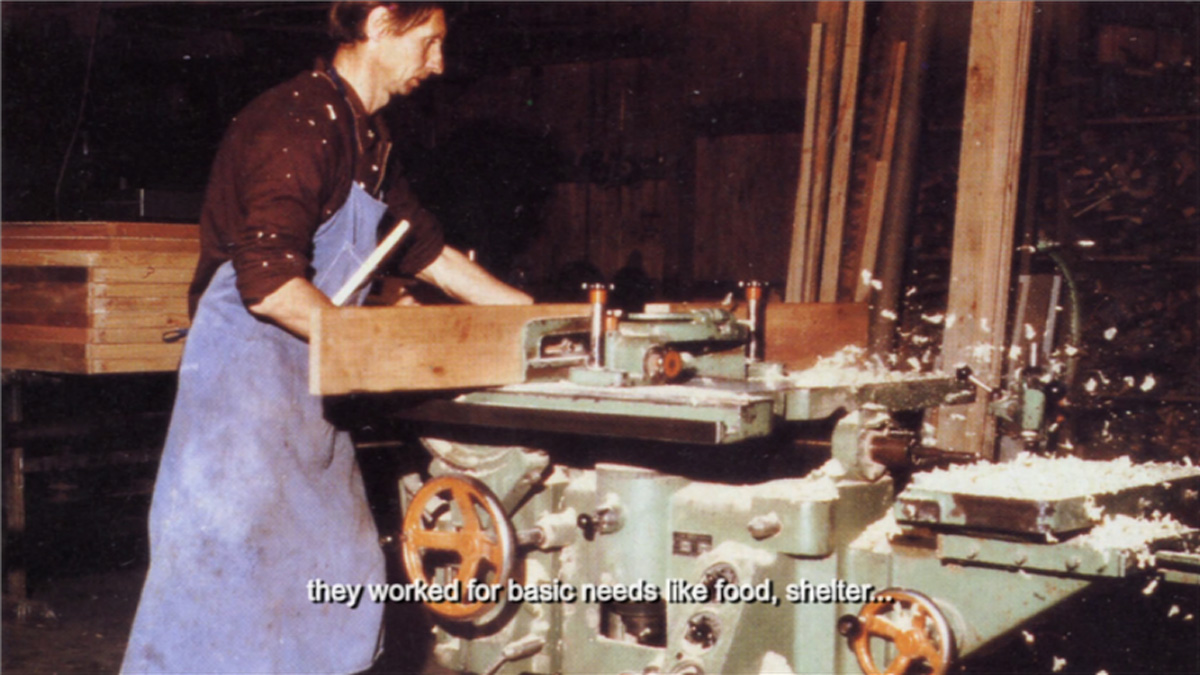
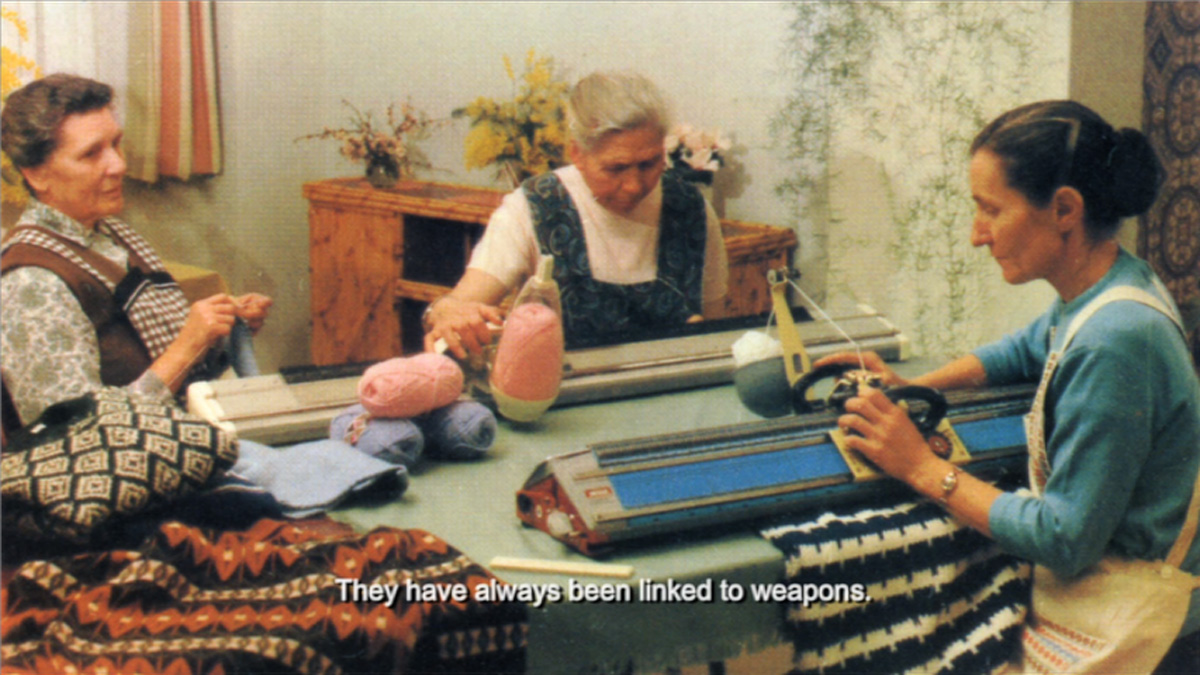
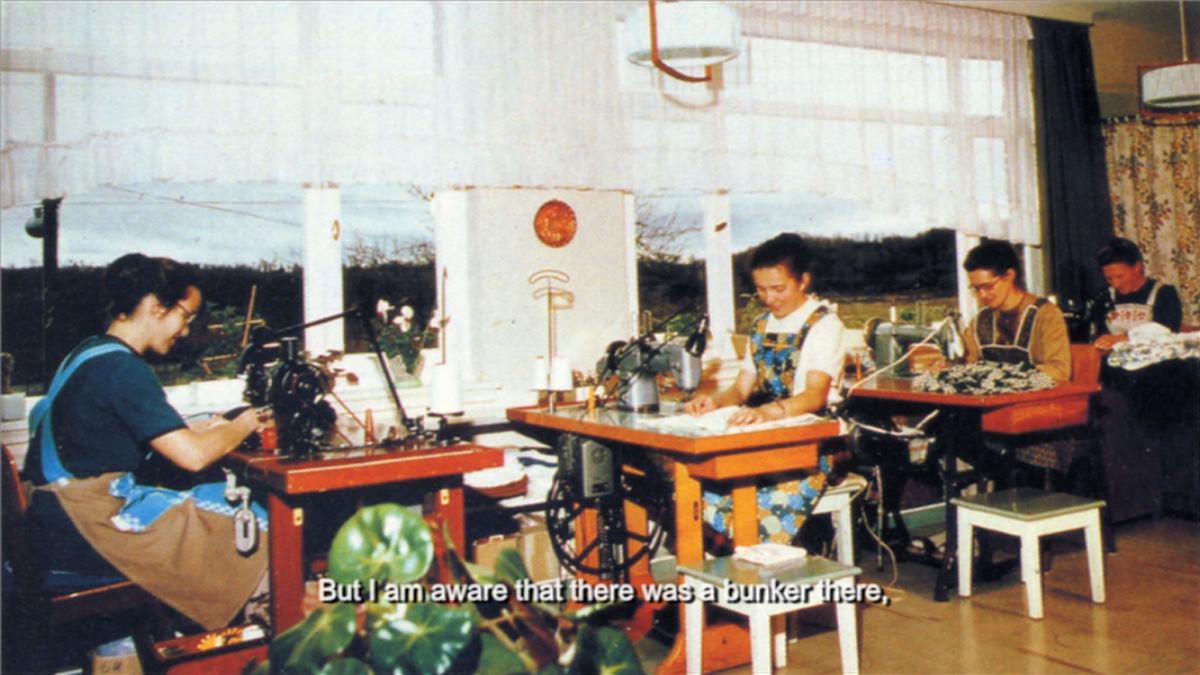
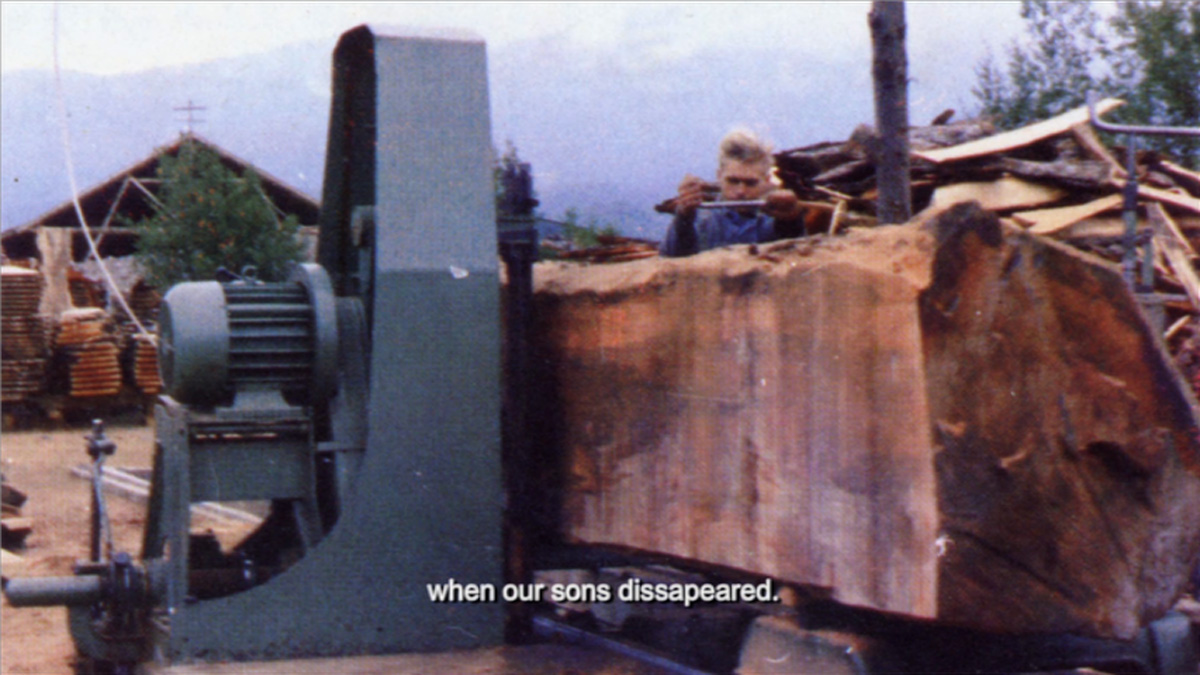
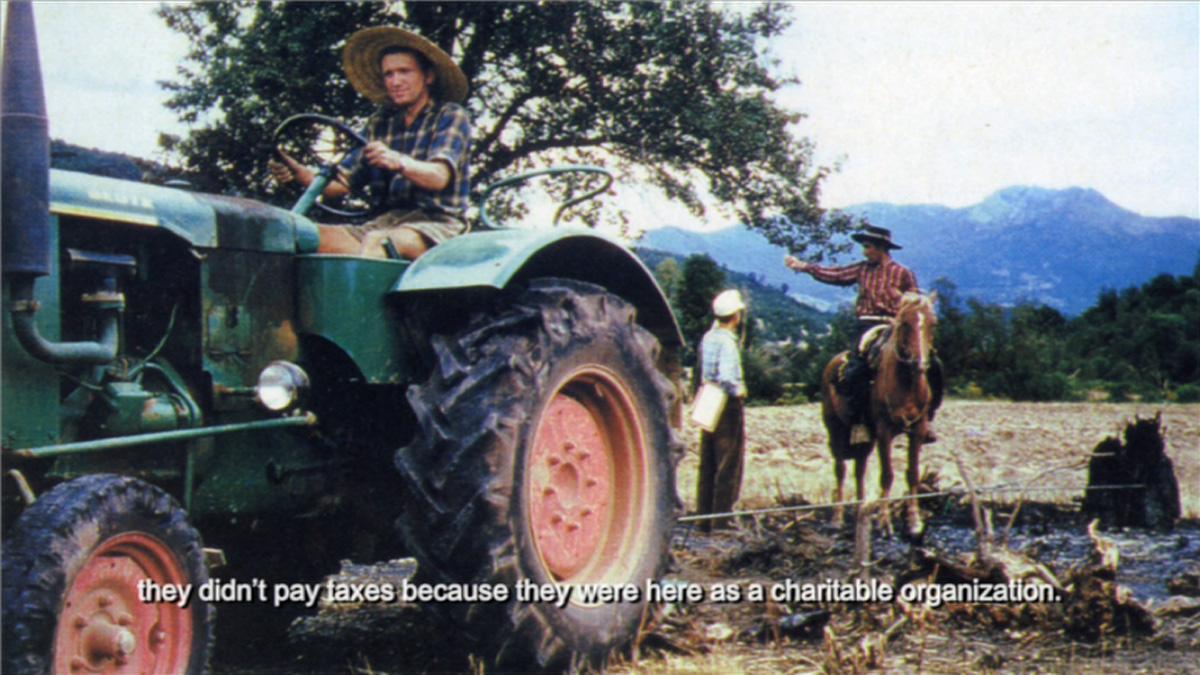
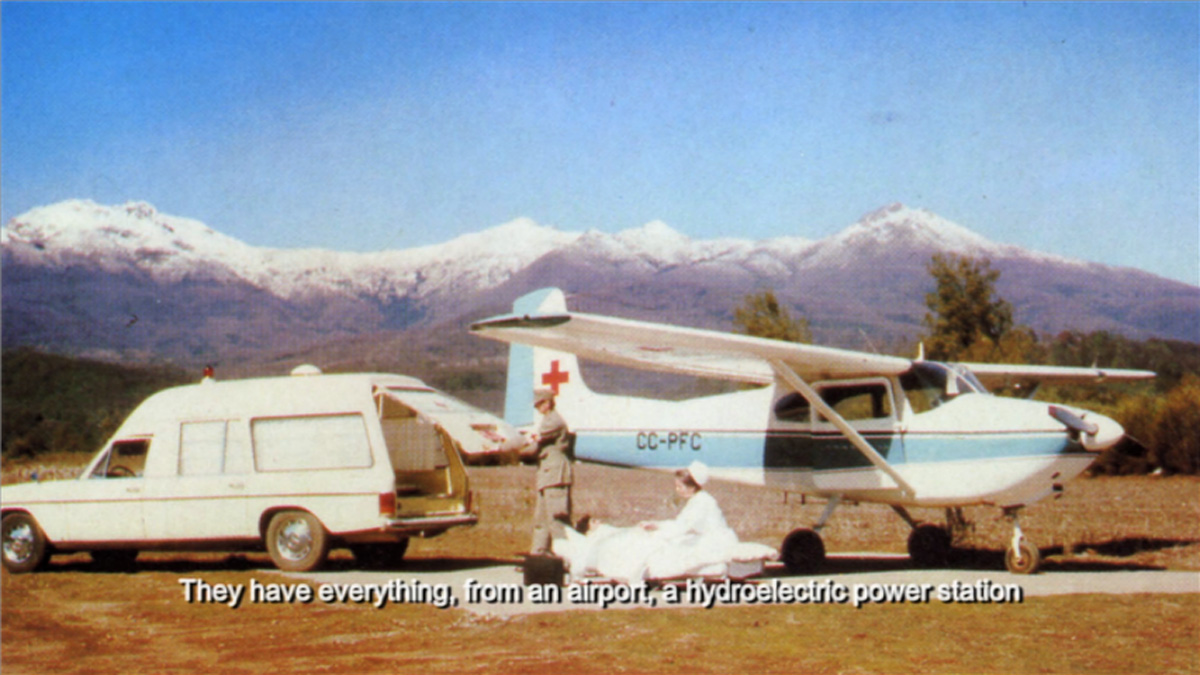
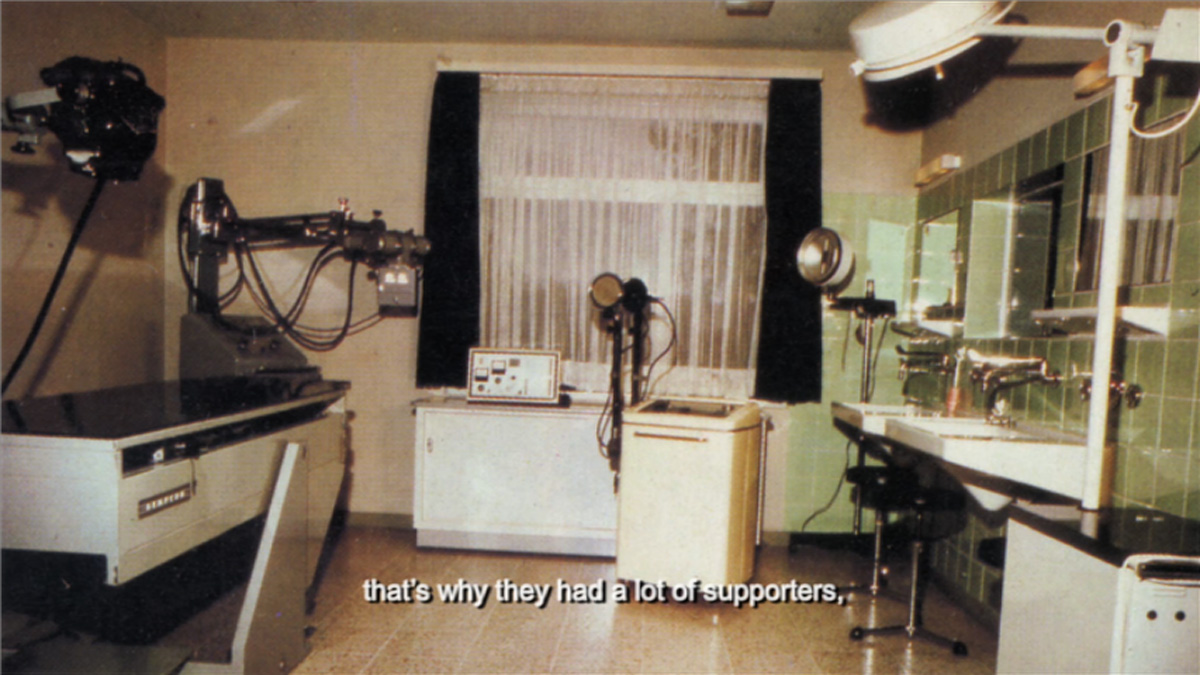
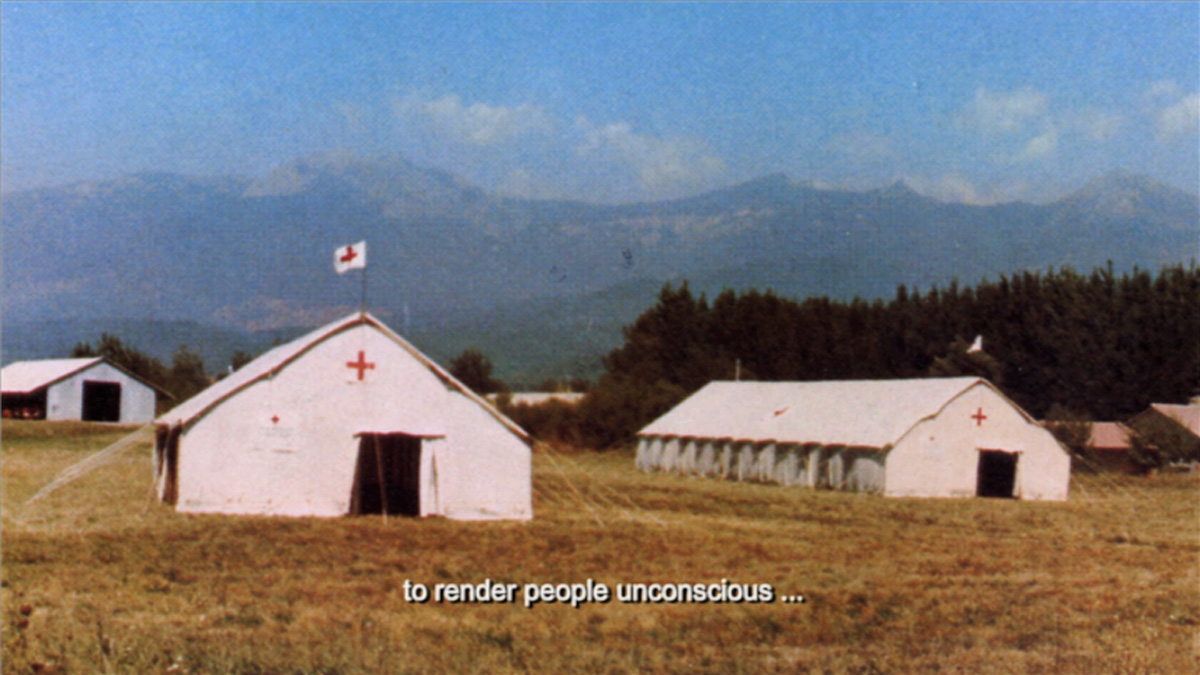
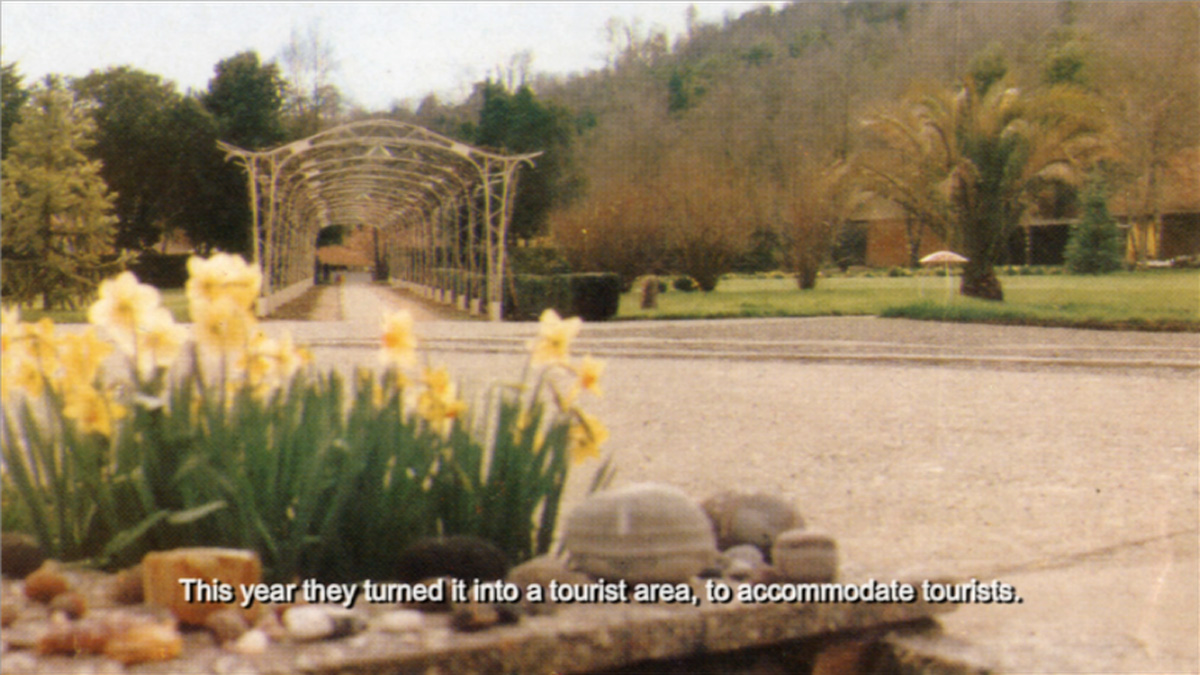
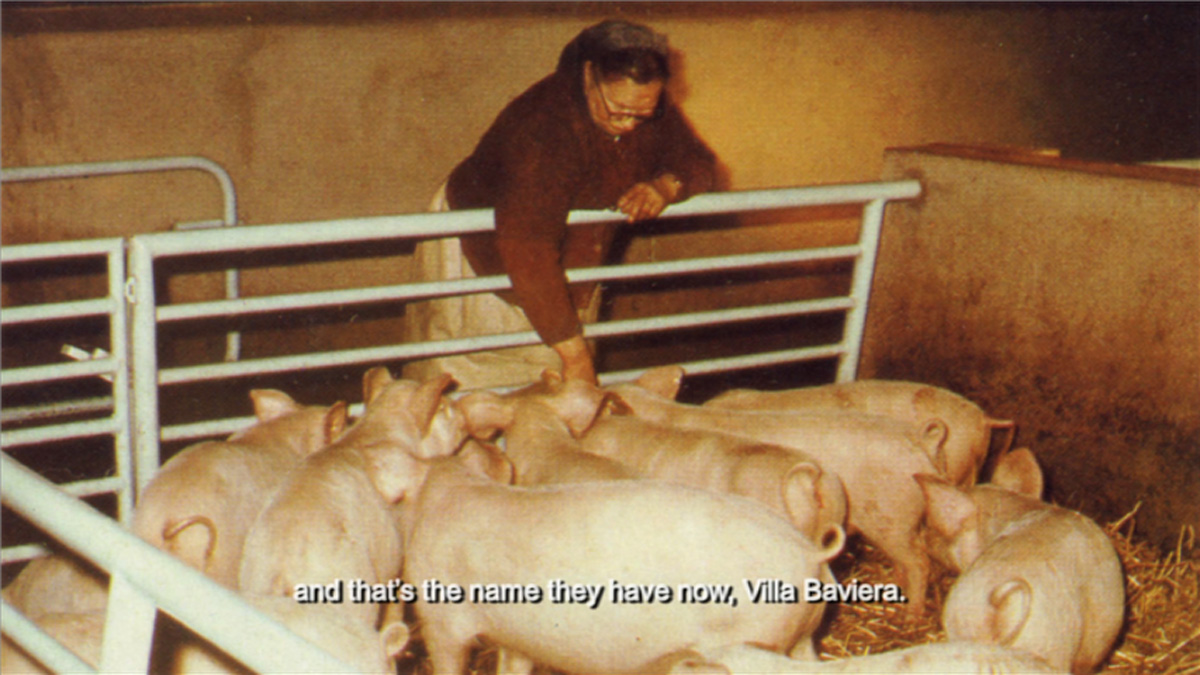
In several of her works, Judi Werthein has elaborated on topics such as social and political taboos, mechanisms of repression and suppression, like in her film “Secure Paradise” (2008), in which the artist visits a German community who fled Europe after the second World War and formed an isolated enclave in Chile.
This is a title. This is a text going with the image. This is a title. This is a text going with the image.
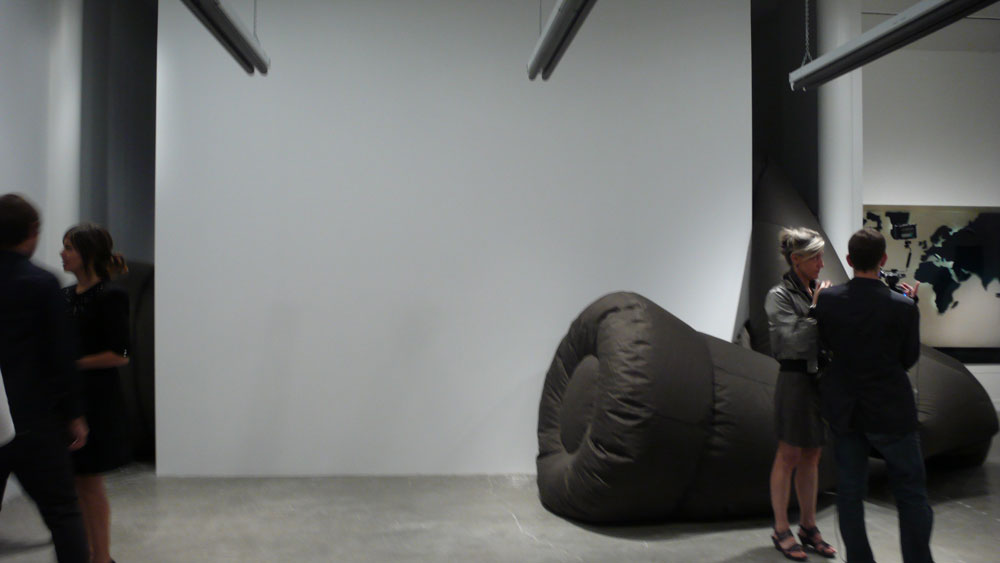
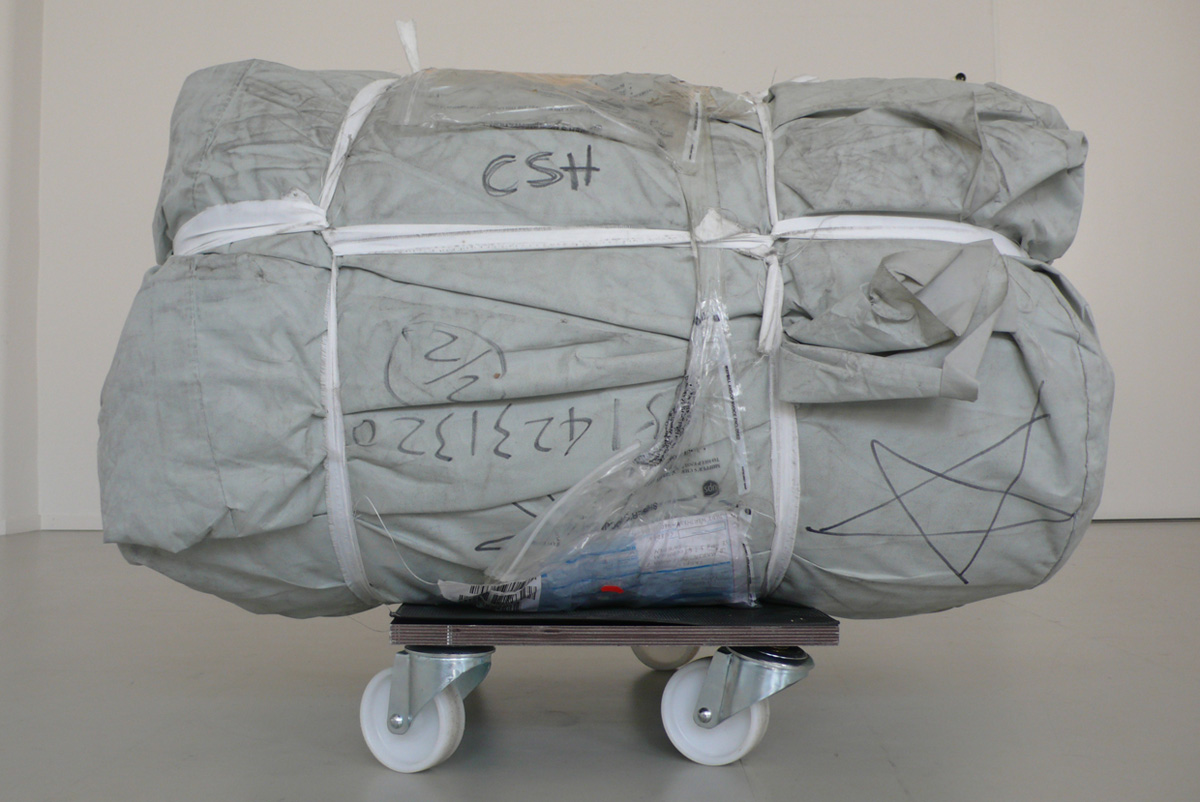
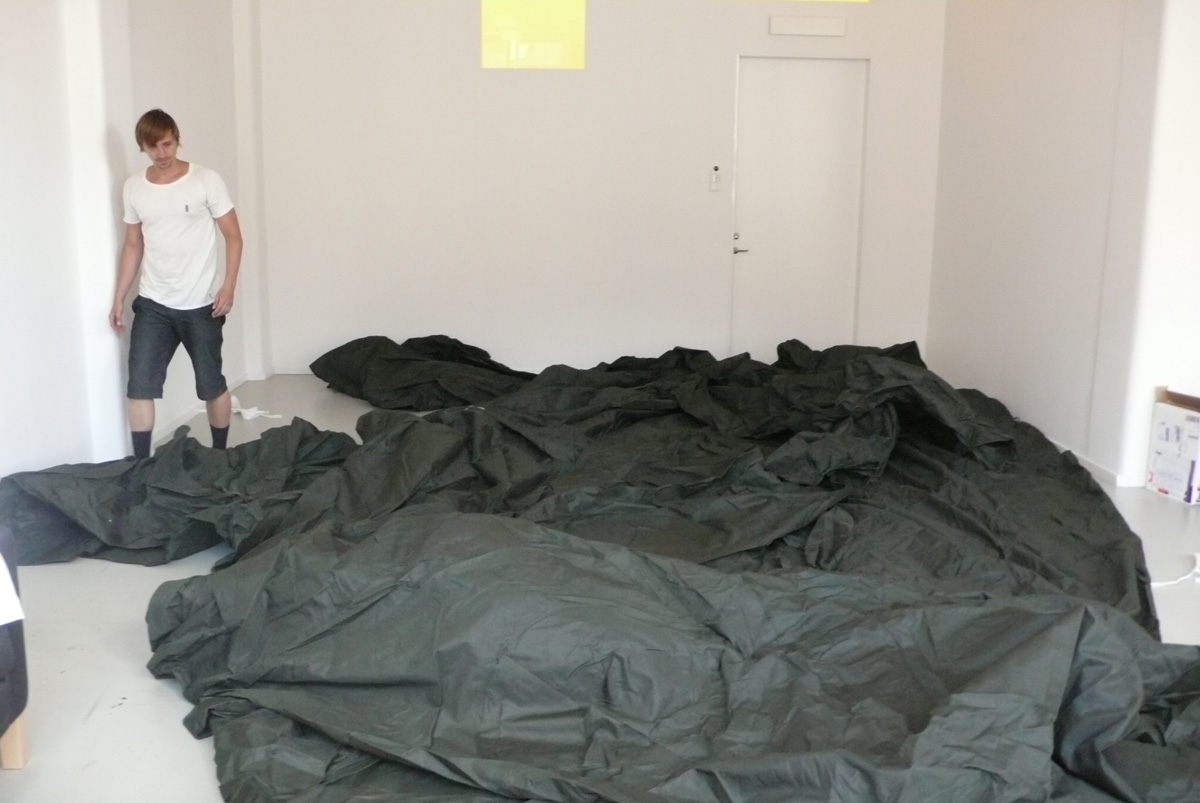
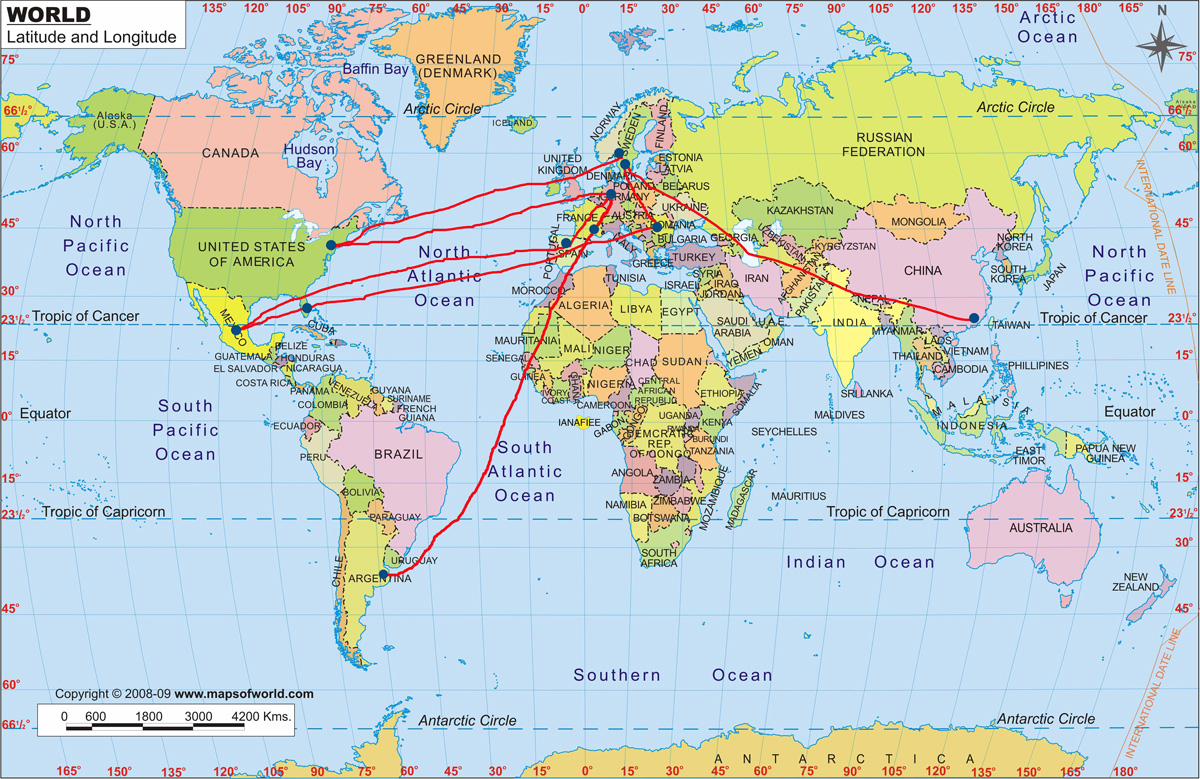
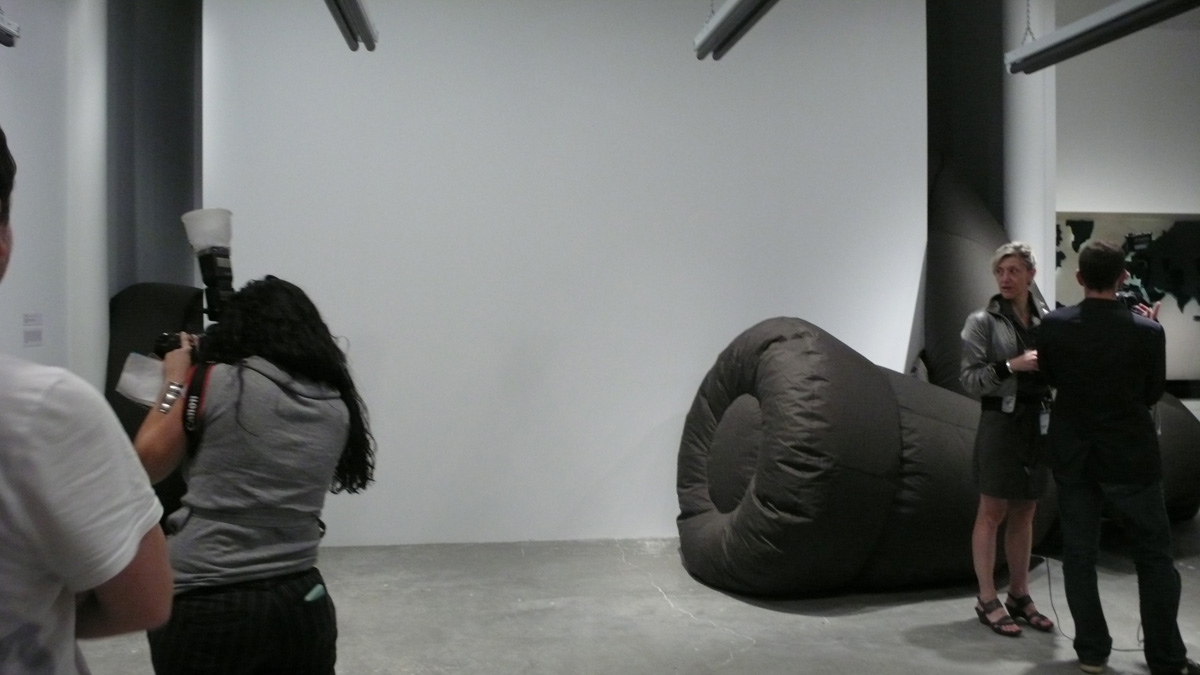
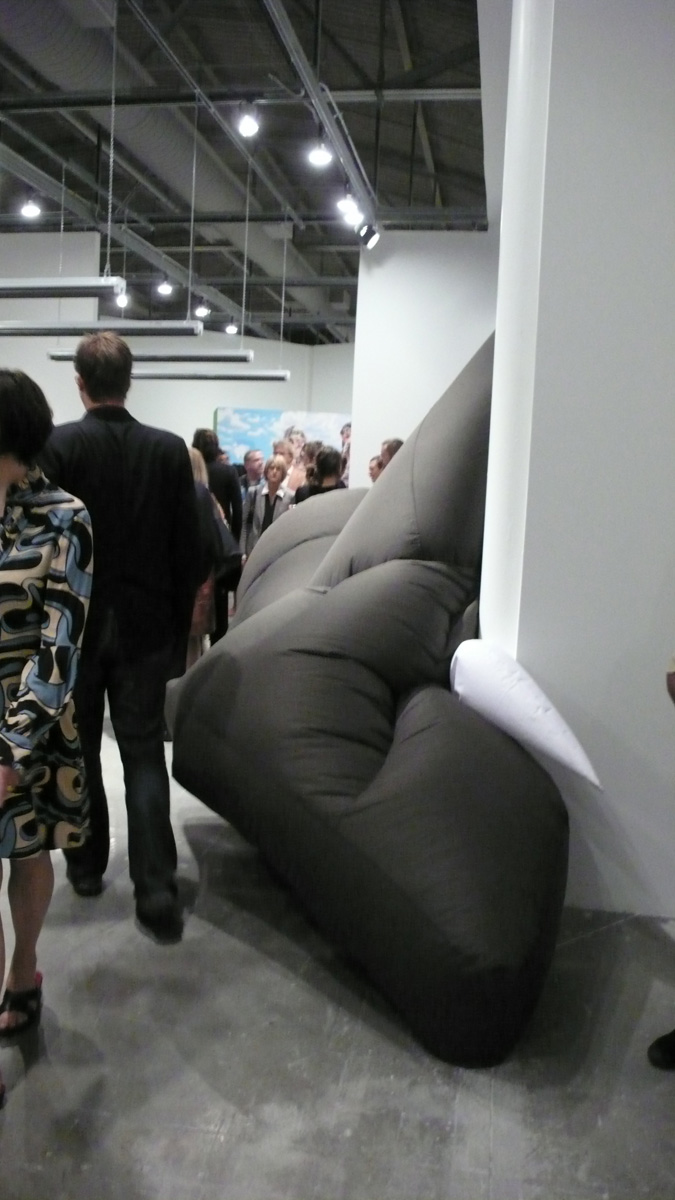
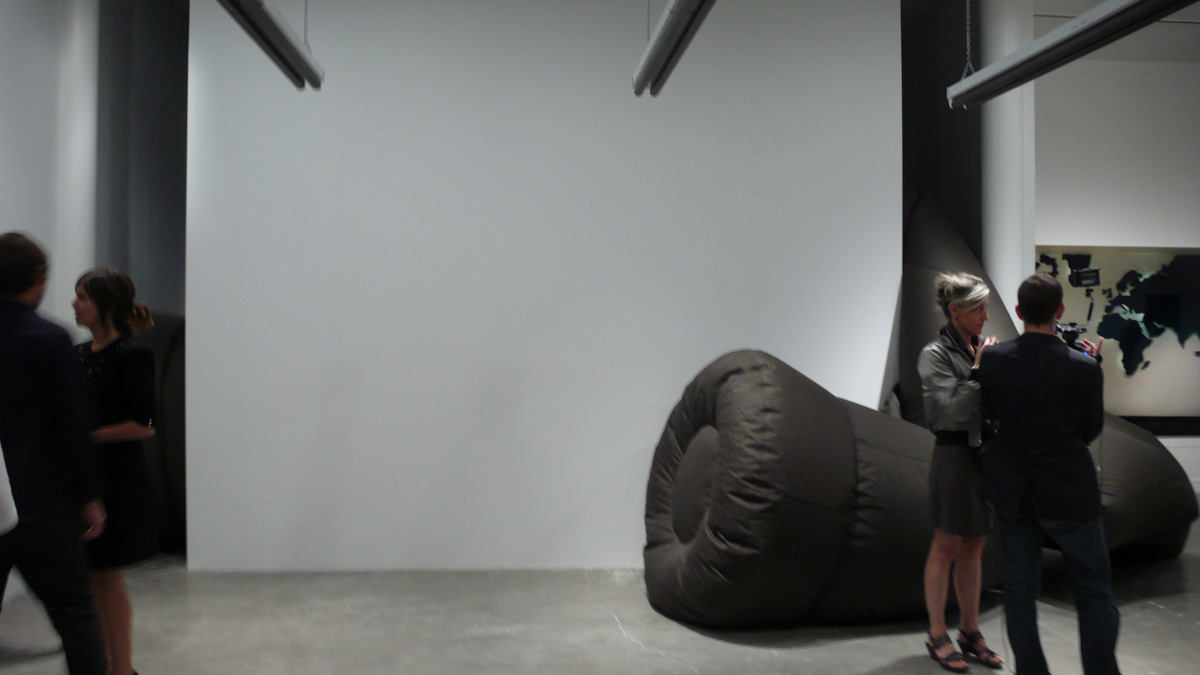
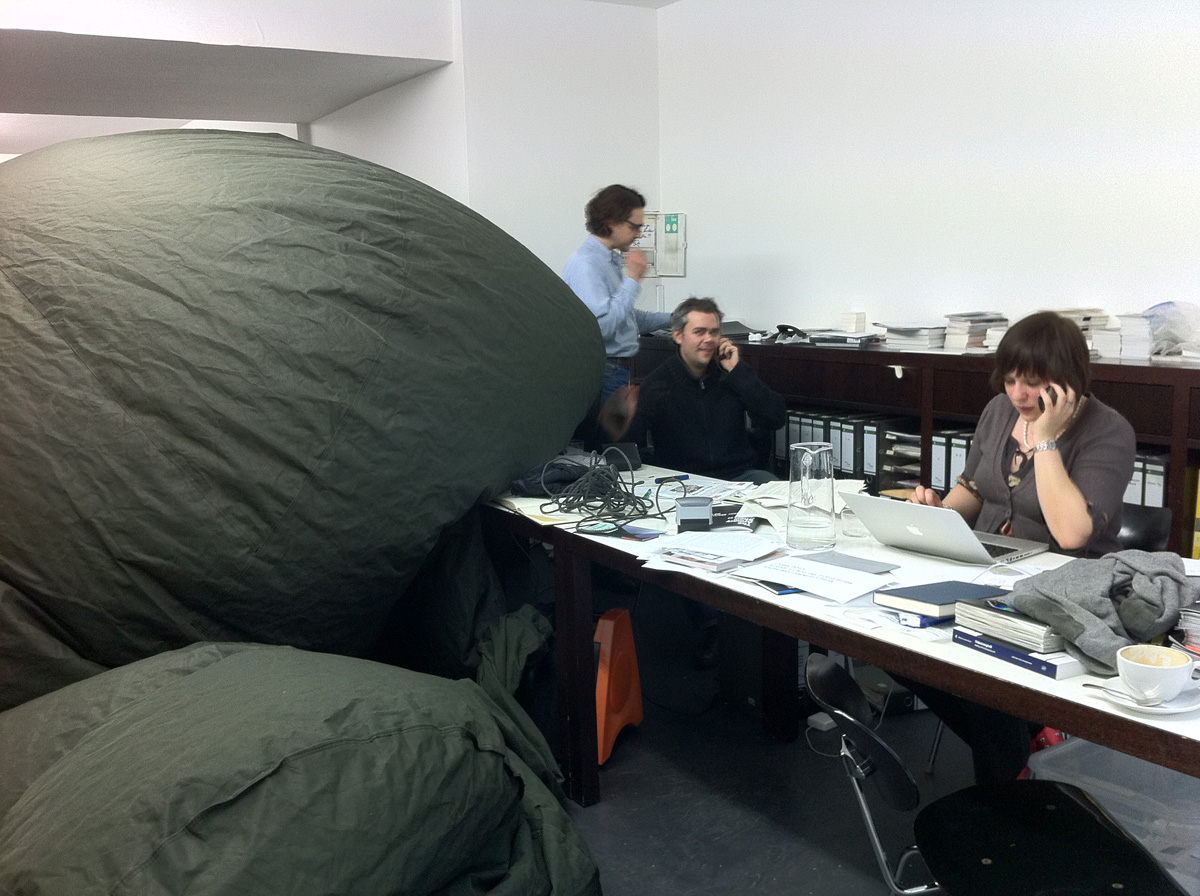
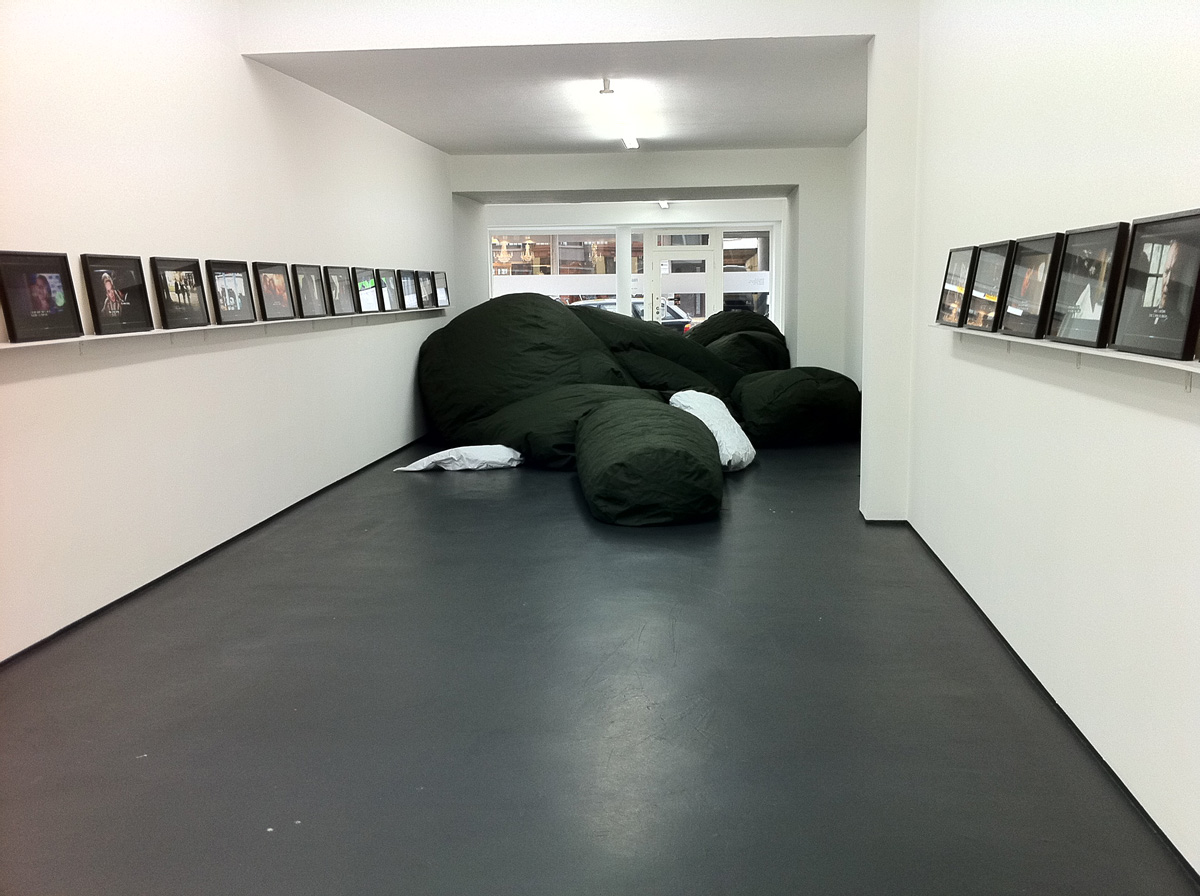
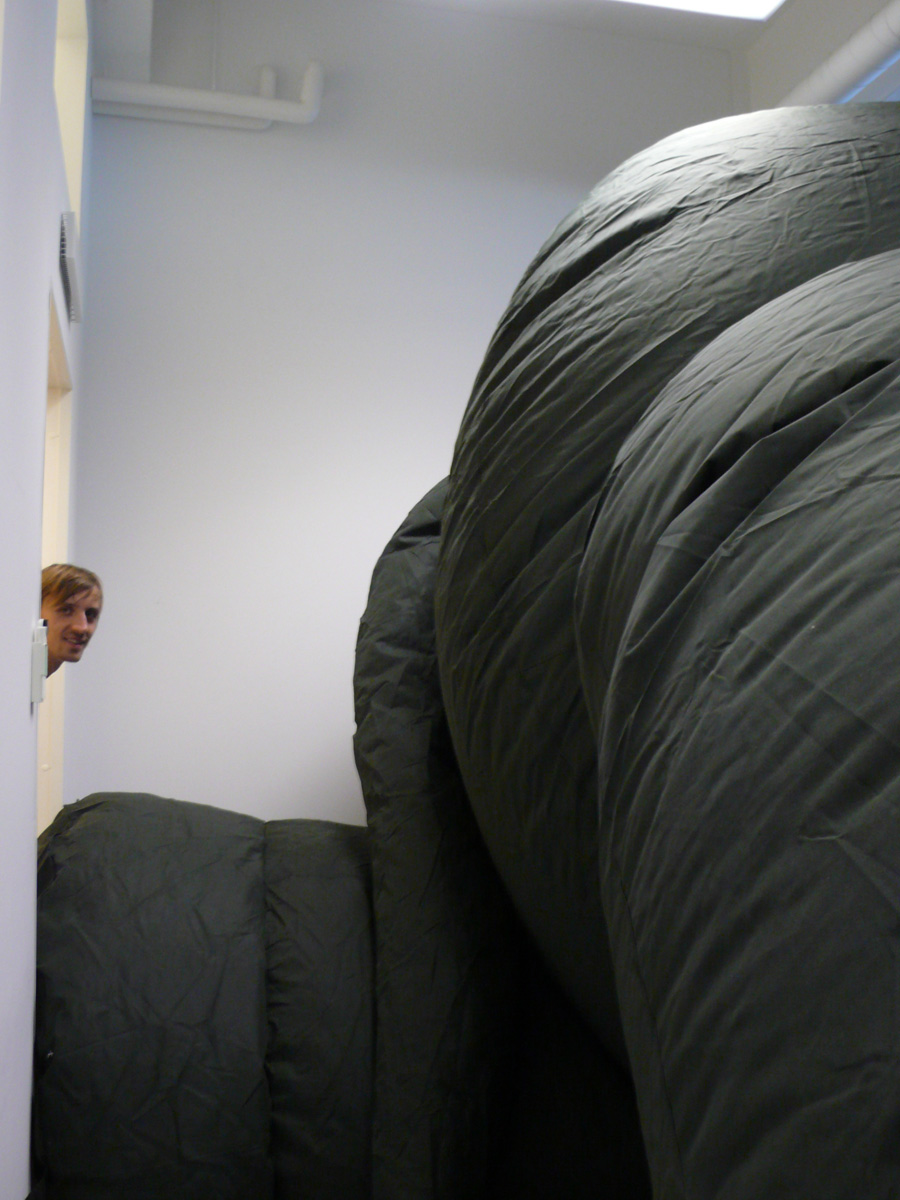
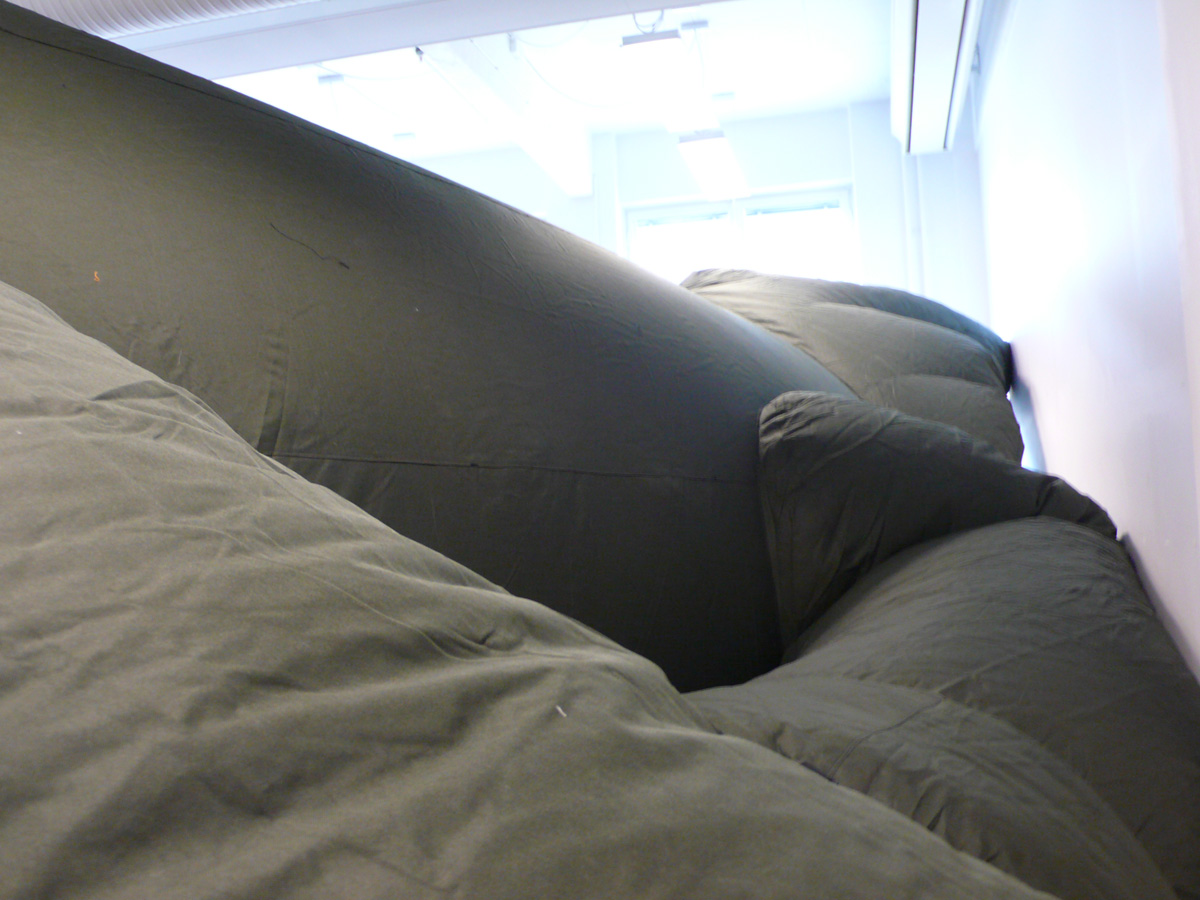
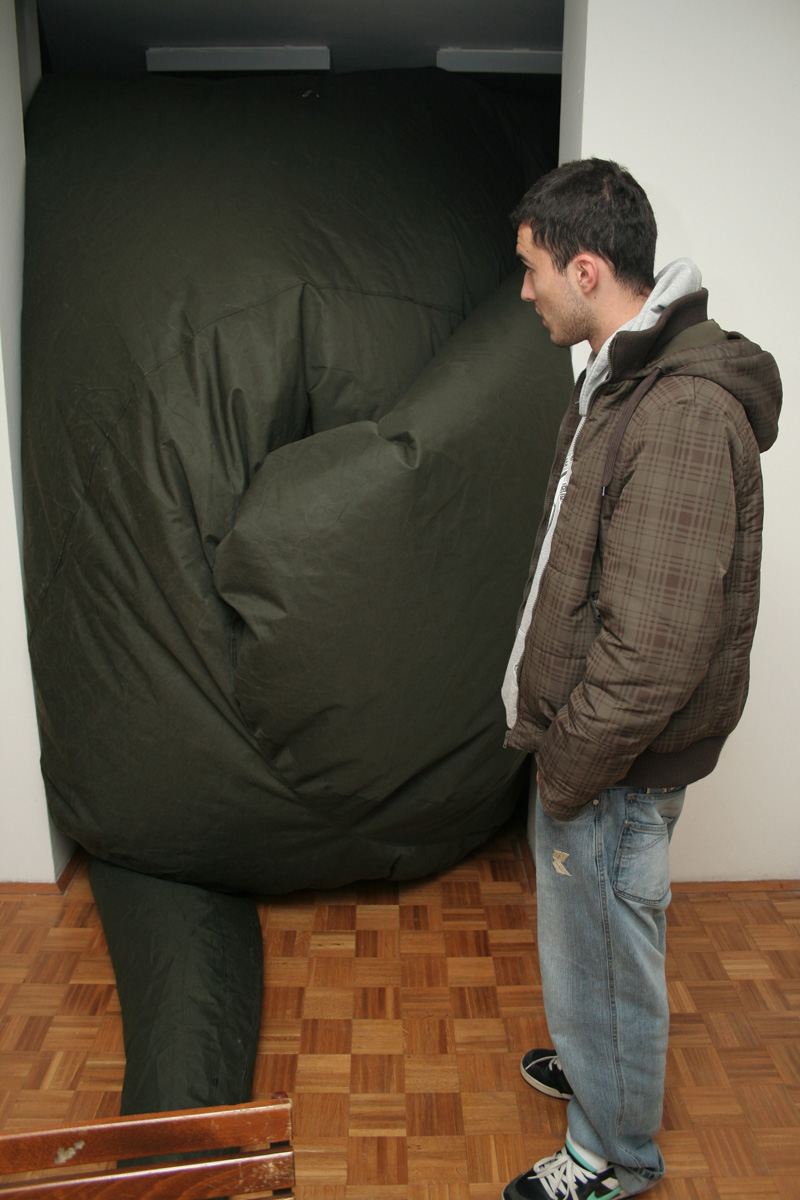
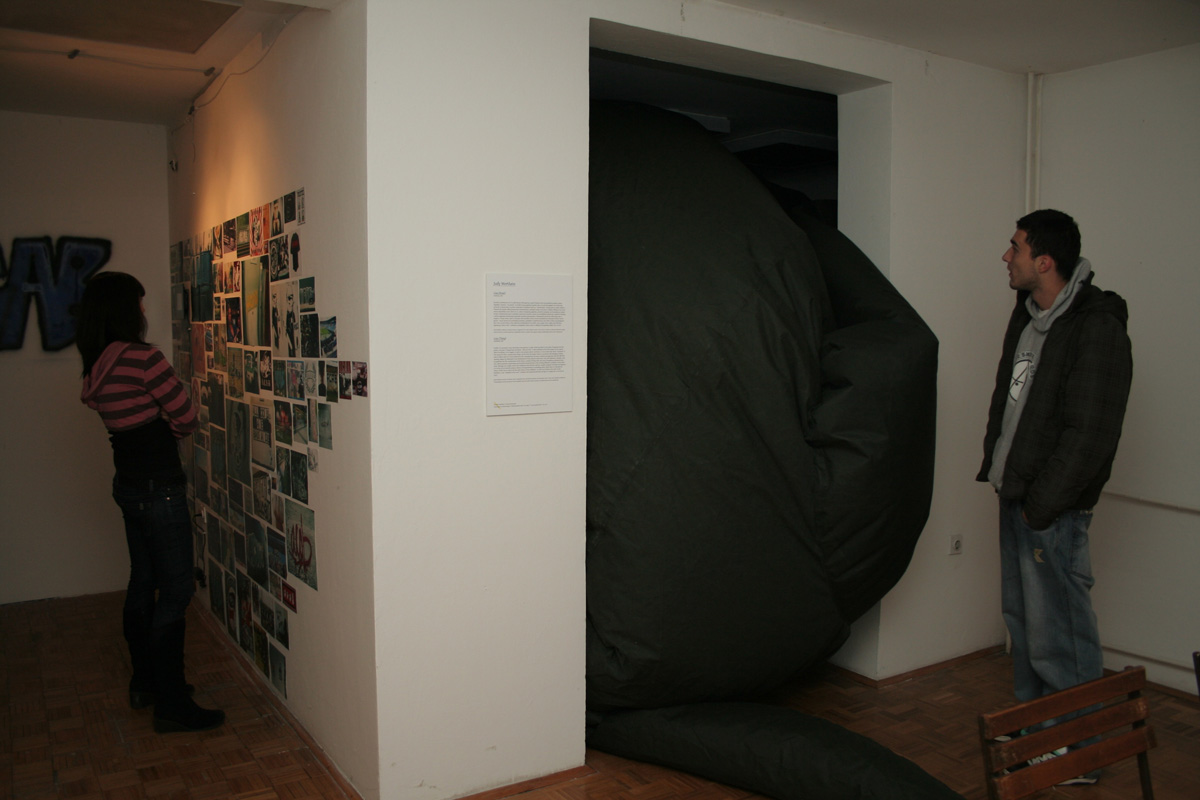
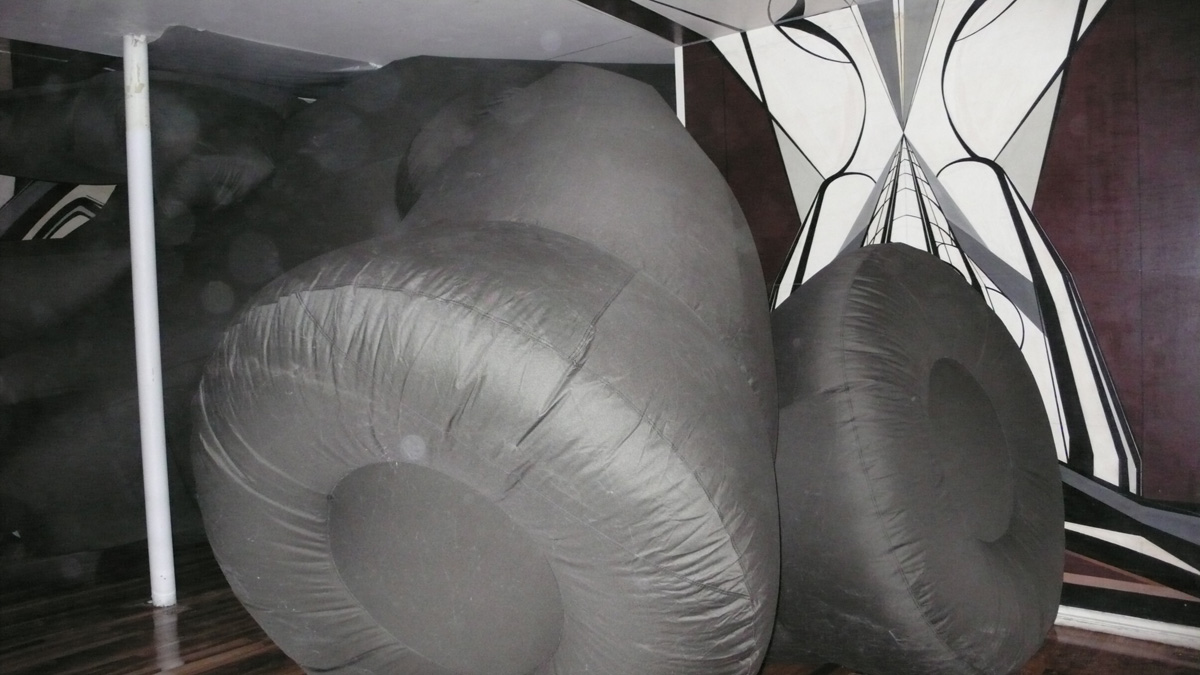
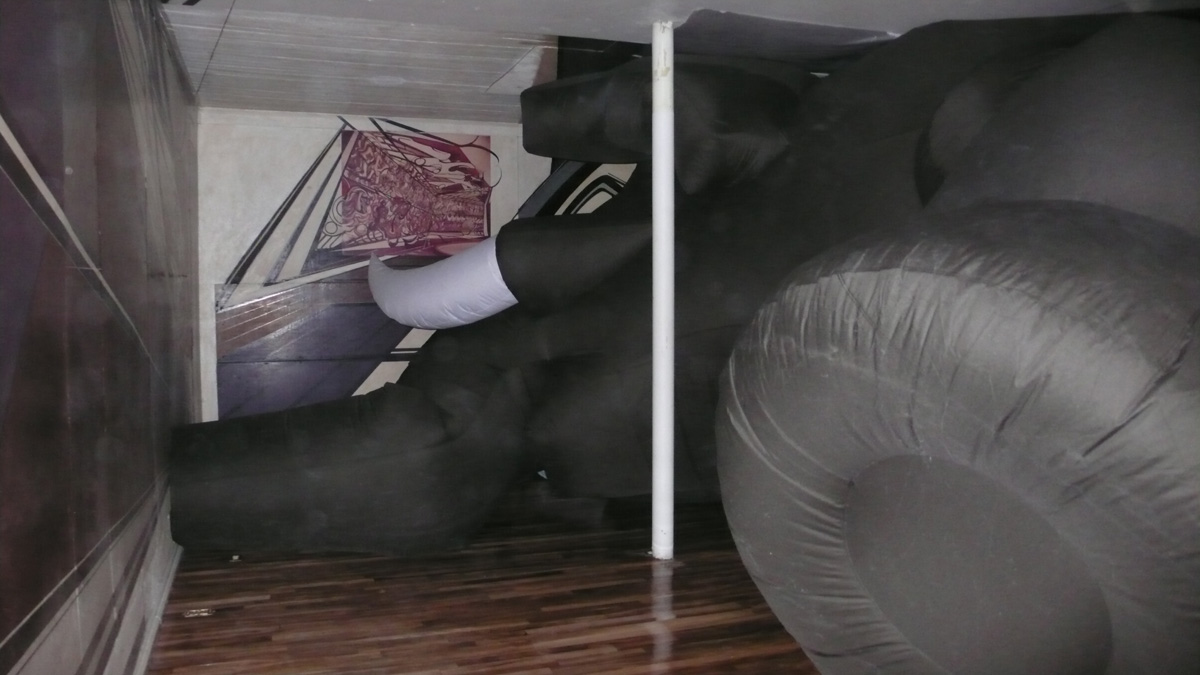
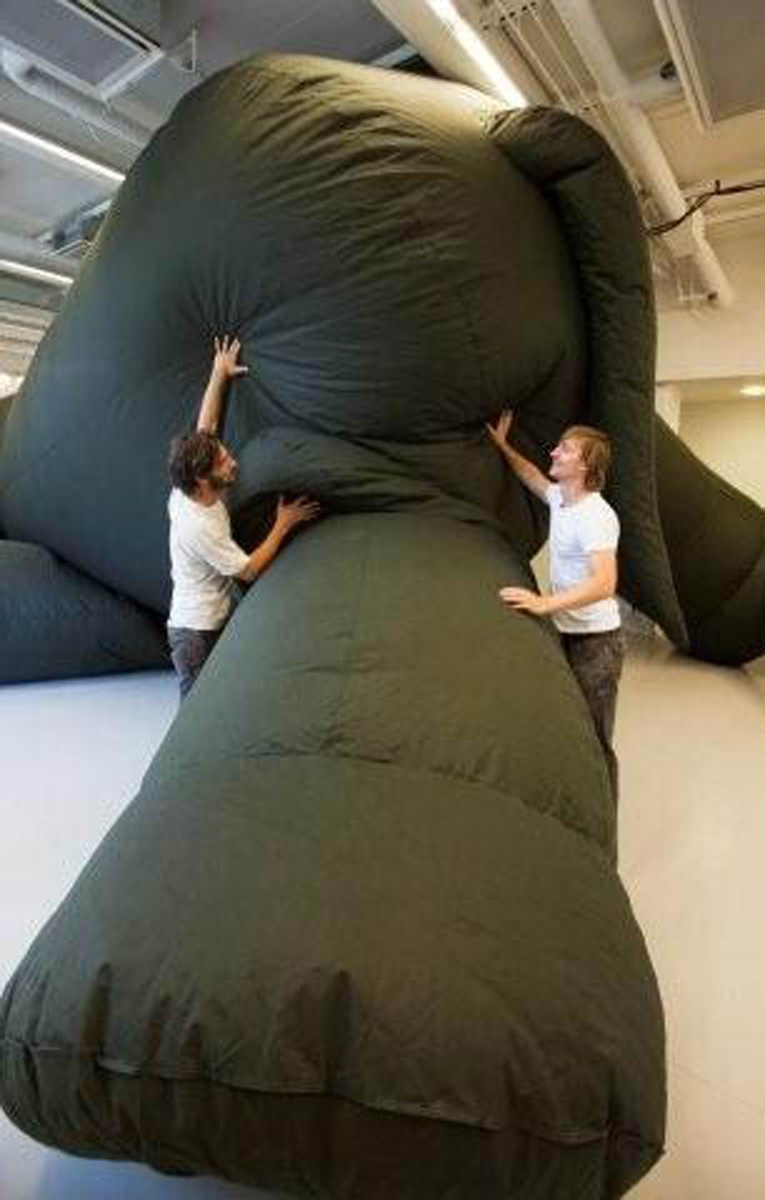
Air of Stockholm, Air of Banja Luka, Air of Mexico – despite its tender age, Judi Werthein’s work “Cosa” has already travelled from China to Scandinavia and via the Balkans to Mexico City, a behaviour symptomatic for this inflatable, nondescript “thing”. In each place, the large body is charged with local air and meaning, while retaining its great secret – an animal never reveals what it has seen, isn’t that so?
In several of her works, Judi Werthein has elaborated on topics such as social and political taboos, mechanisms of repression and suppression, like in her film “Secure Paradise” (2008), in which the artist visits a German community who fled Europe after the second World War and formed an isolated enclave in Chile.
“Cosa” is a large, green object that seems to fit into every exhibition space and, at the same time, to none. It settles, breathes and lives again, but seems to resist being measured and weighed. As viewers we move around the enormous, apparently formless, volume in futile attempts to fathom its form, both visually and conceptually – is there an elephant in the living room? Judi Werthein’s work brings together the image of the elephant as the unspeakable truth and as a metaphor for how contemporary global economy has lost all sense of proportion, or, as the artist puts it: “Most of the things, or ‘Cosas’, surrounding us in our daily life are formed and shaped by China. Chinese insertion in the new global economy becoming ‘the’ outsourcing manufacturing force (for America), has created a shock that American capitalism never contemplated in its original plan, in which all the American and most of the European industry cannot compete in quality/price/time/amounts of production, positioning China as main key player within the global economy not to mention the mass of wealth that is becoming the ‘factory’ (cause they produce but not consume the goods they manufacture) of the world brought to China.”
Cecilia Widenheim
Director Iaspis
Loading JUDI WERTHEIN
1
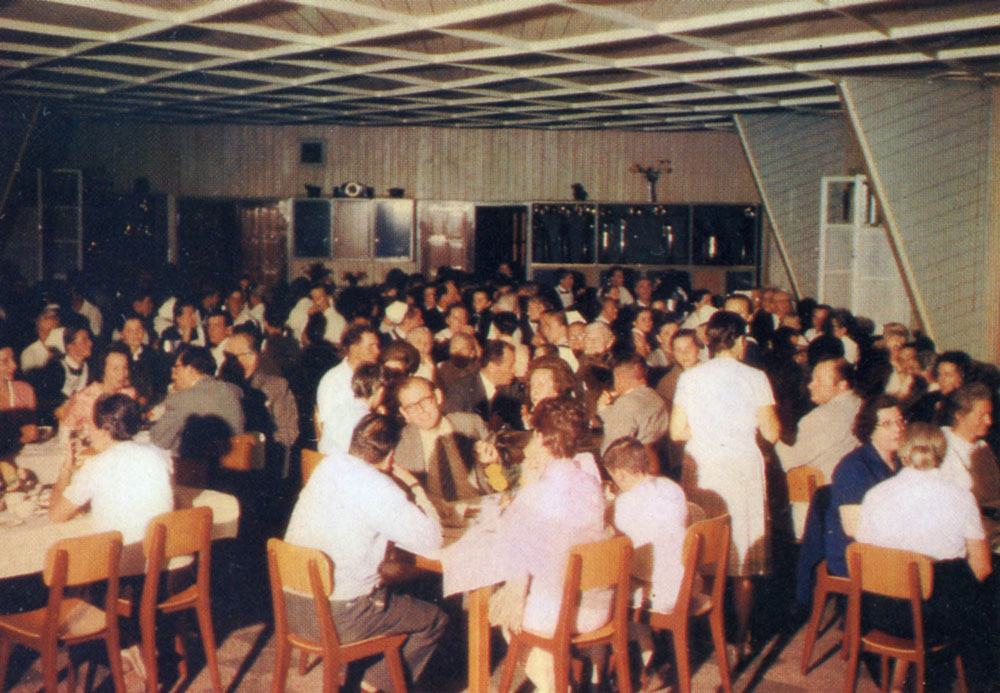
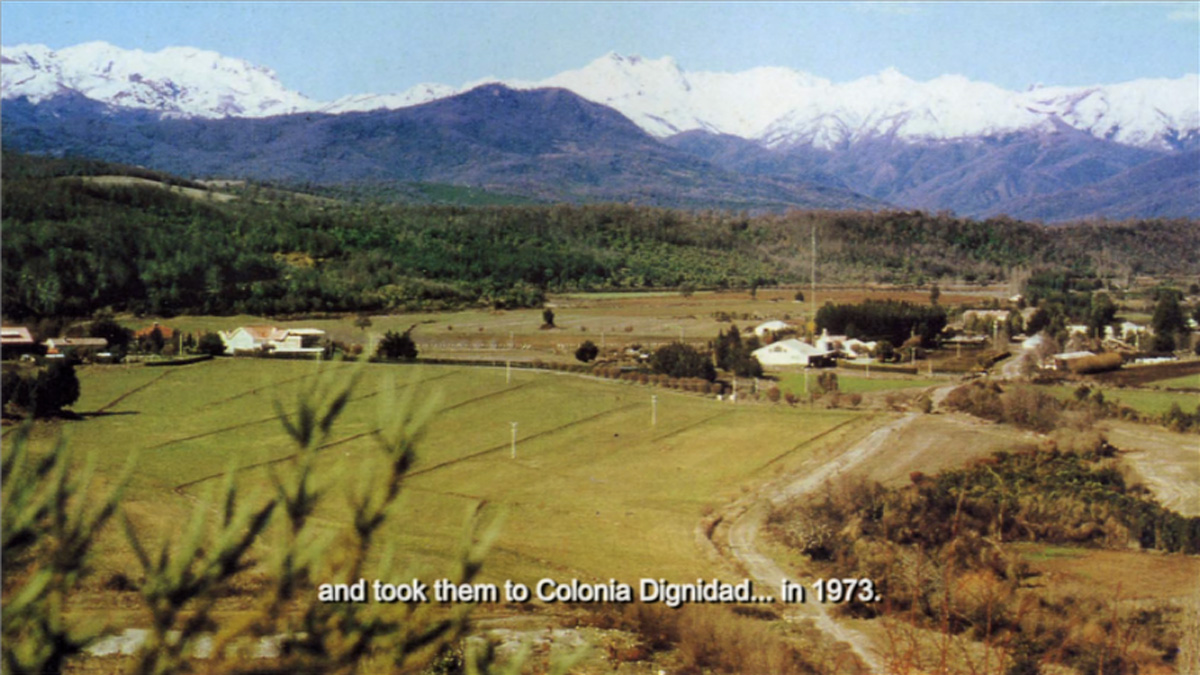
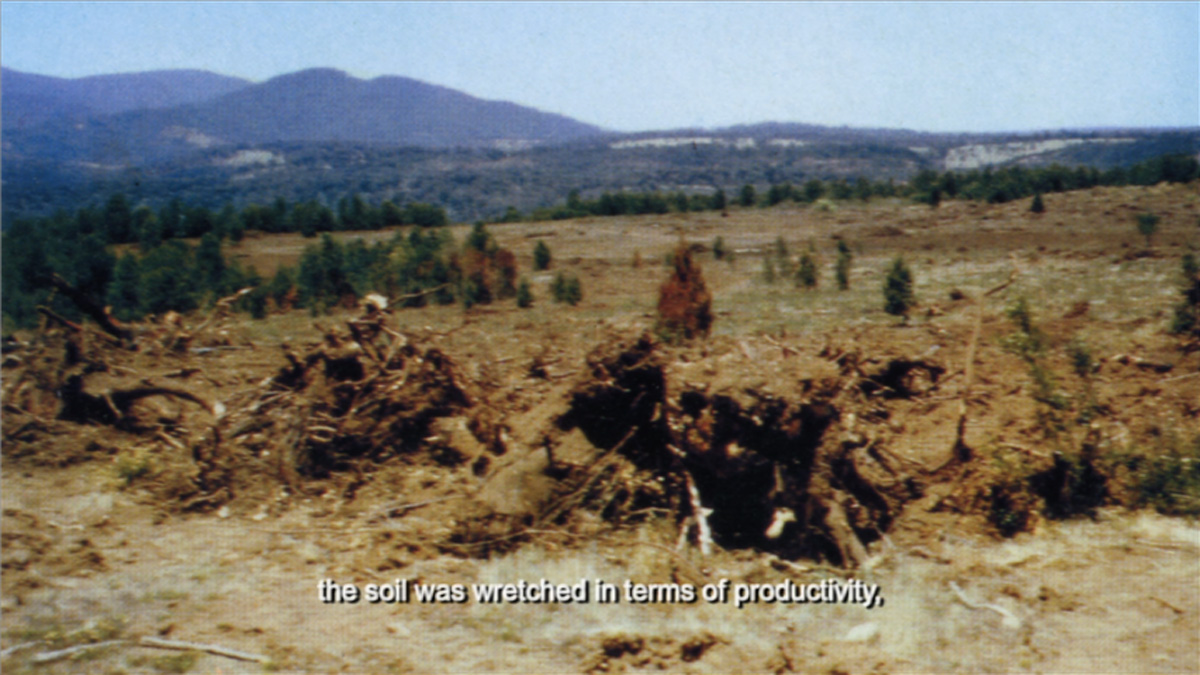
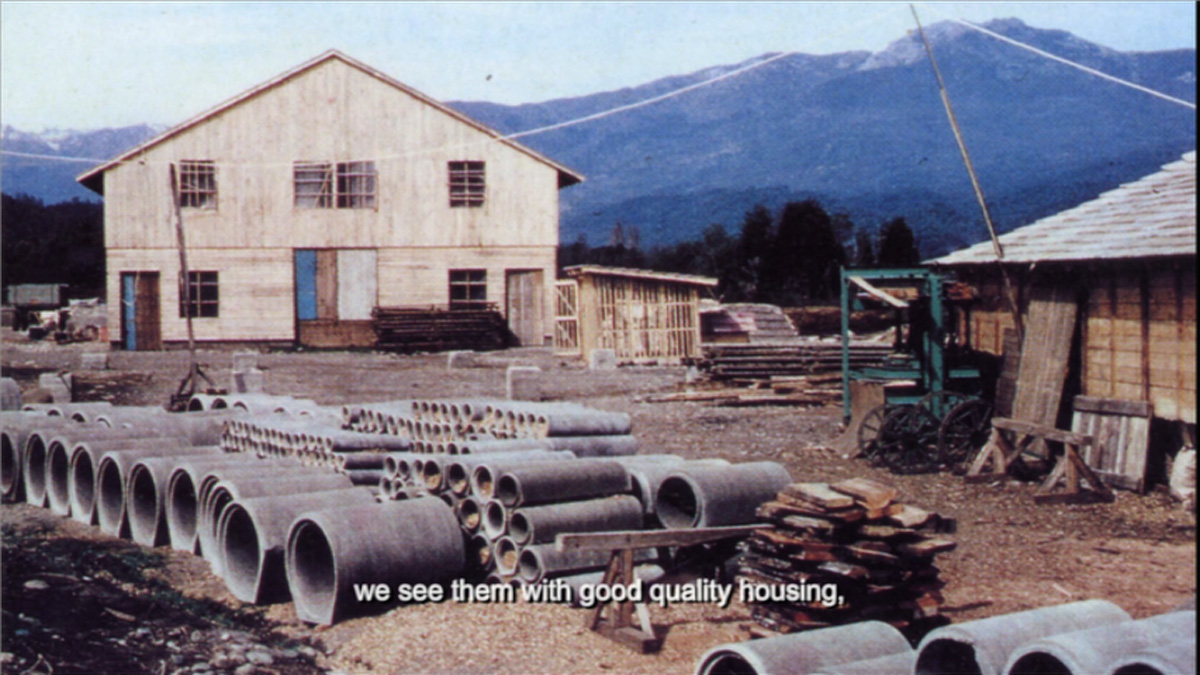
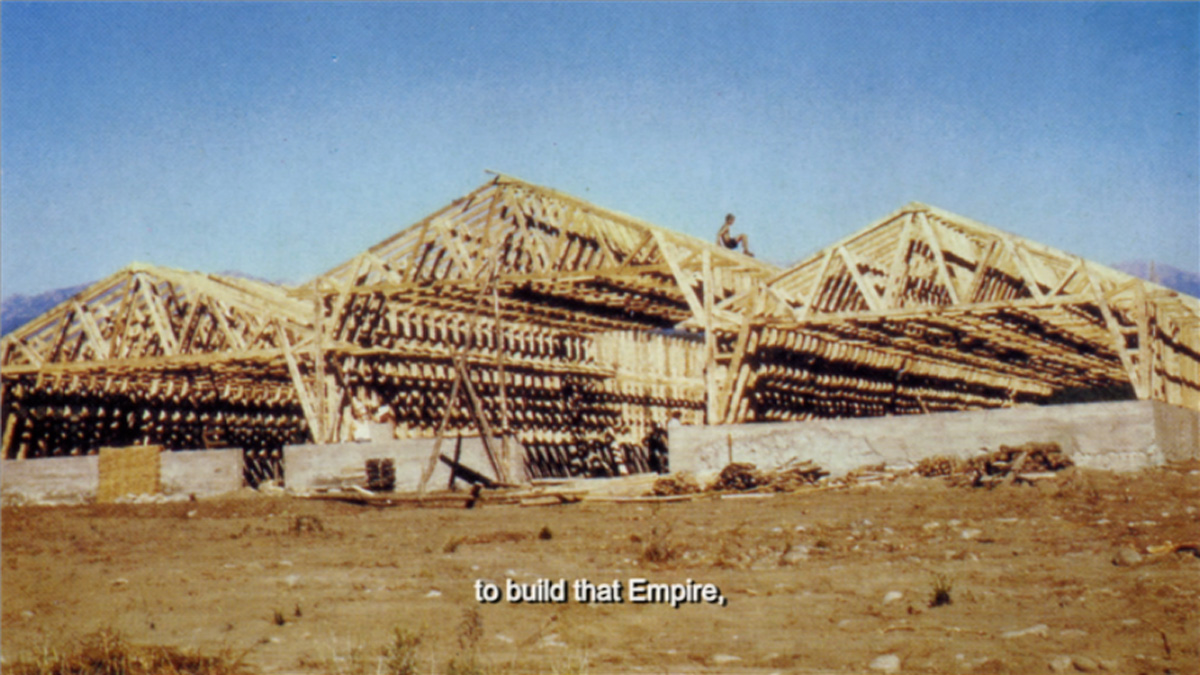
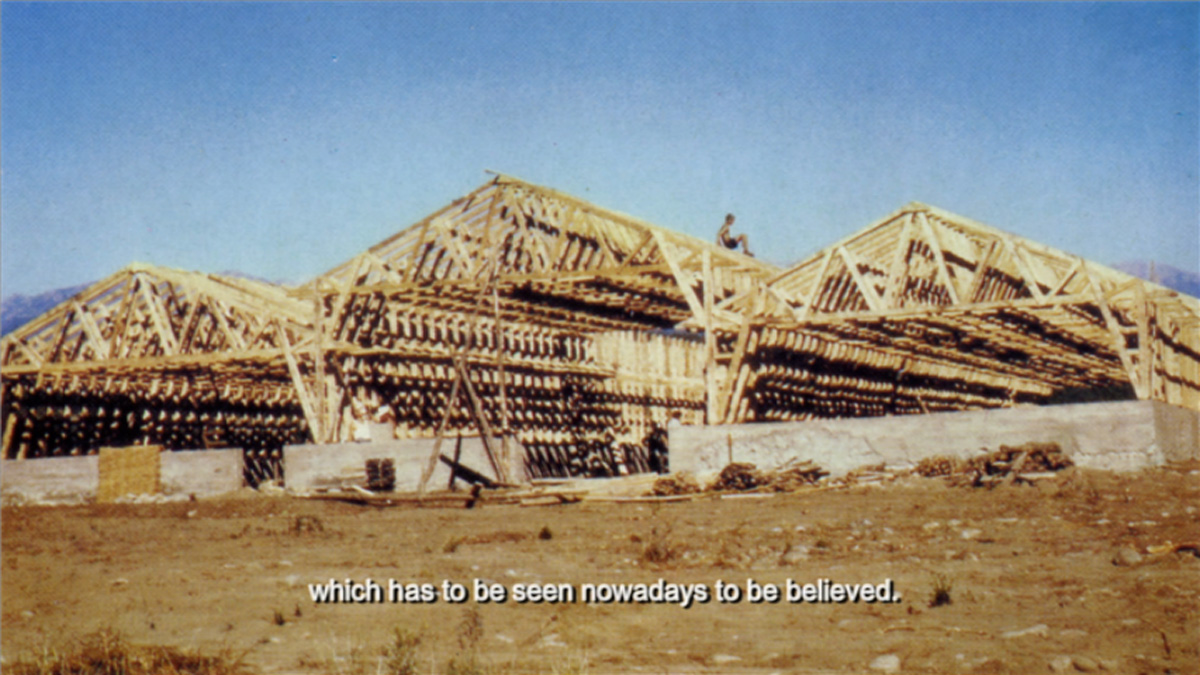
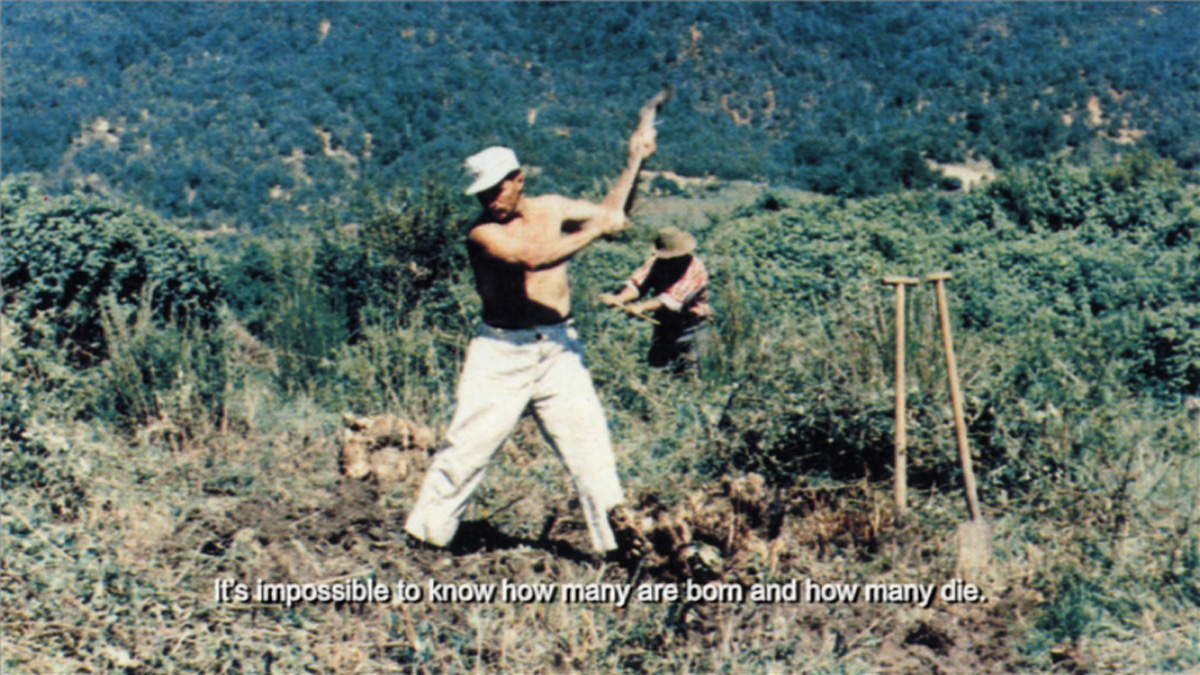
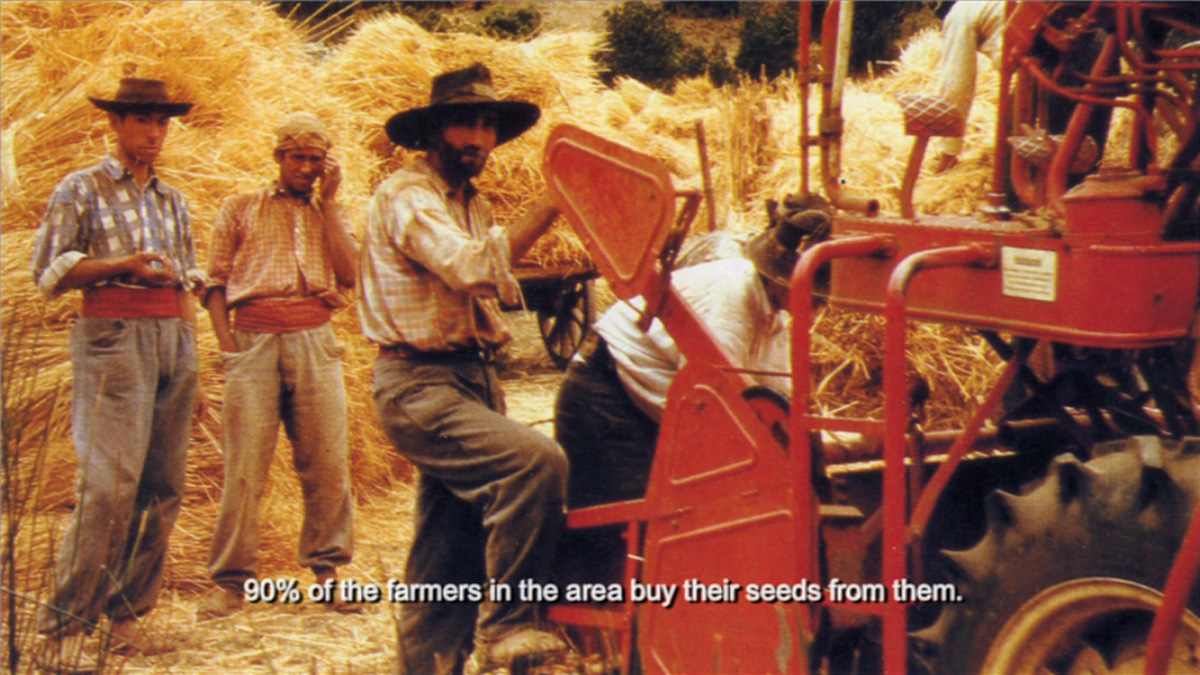
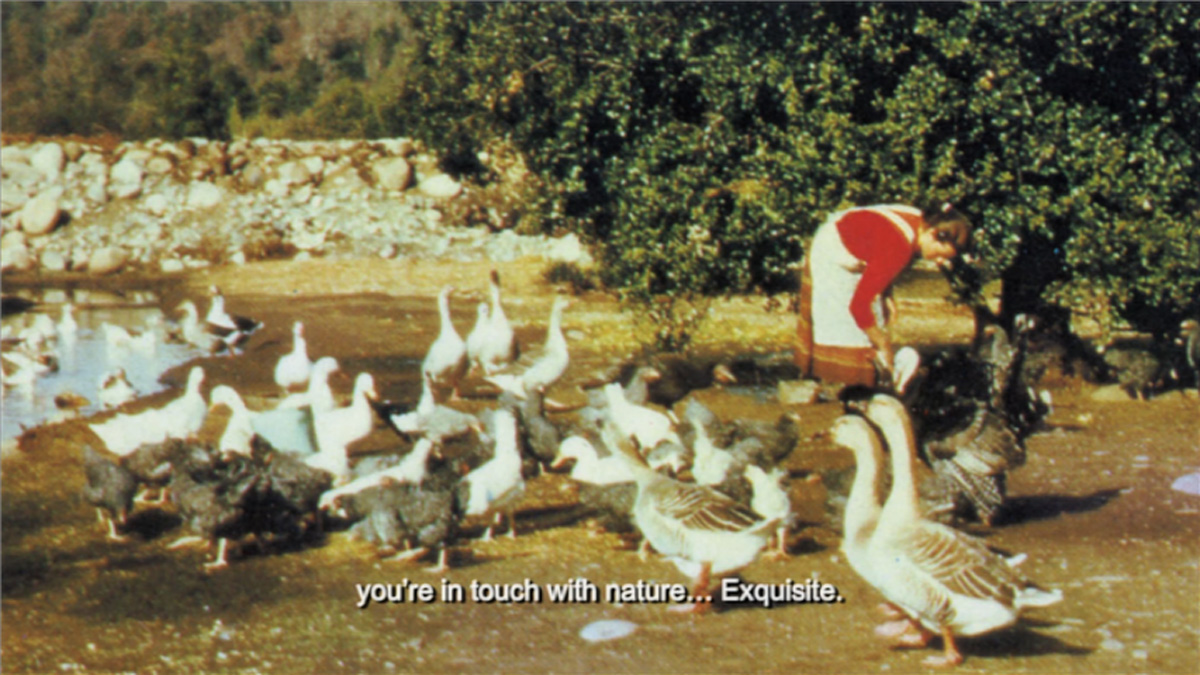
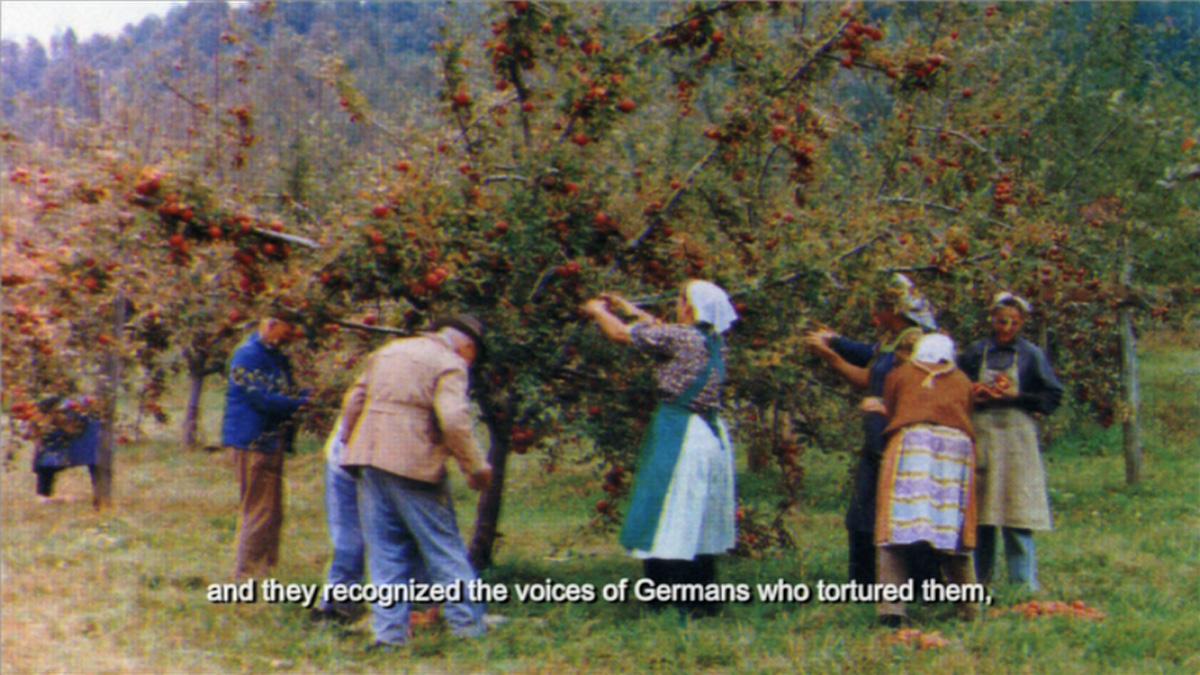
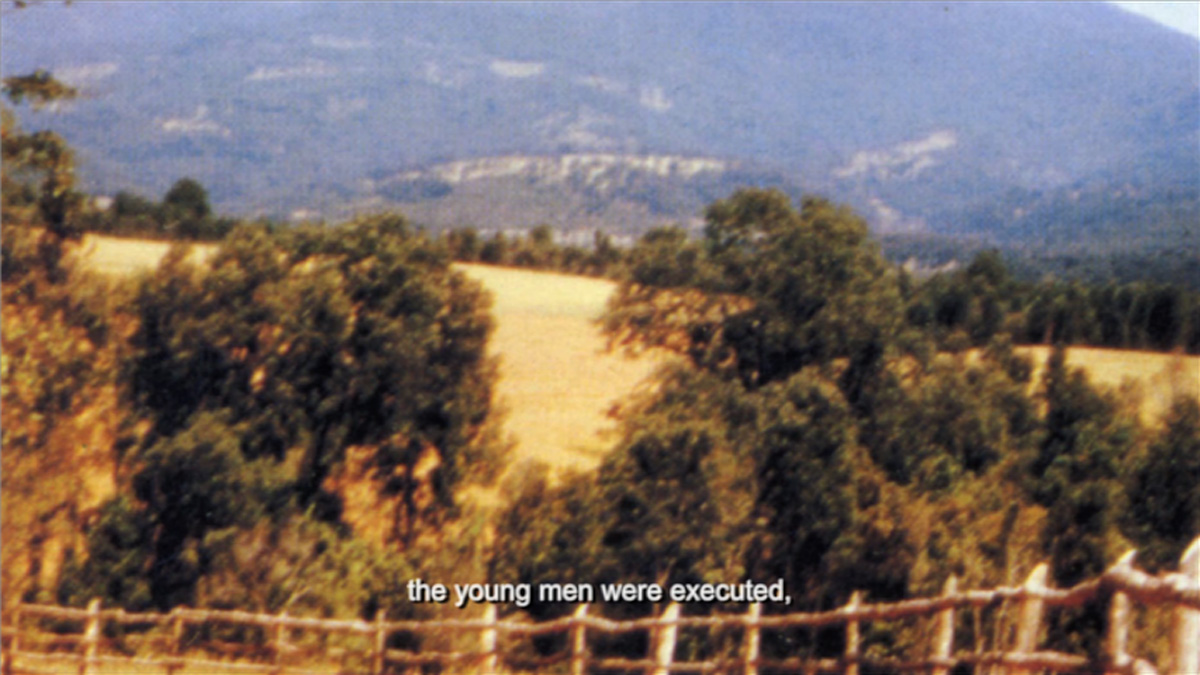
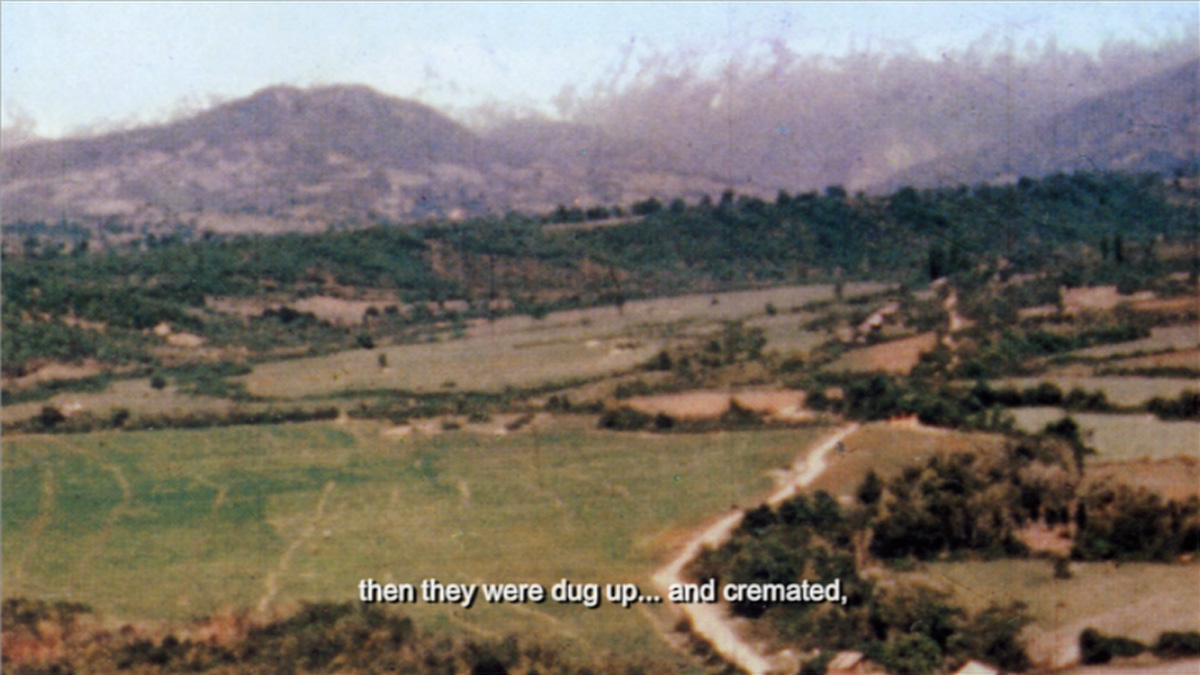
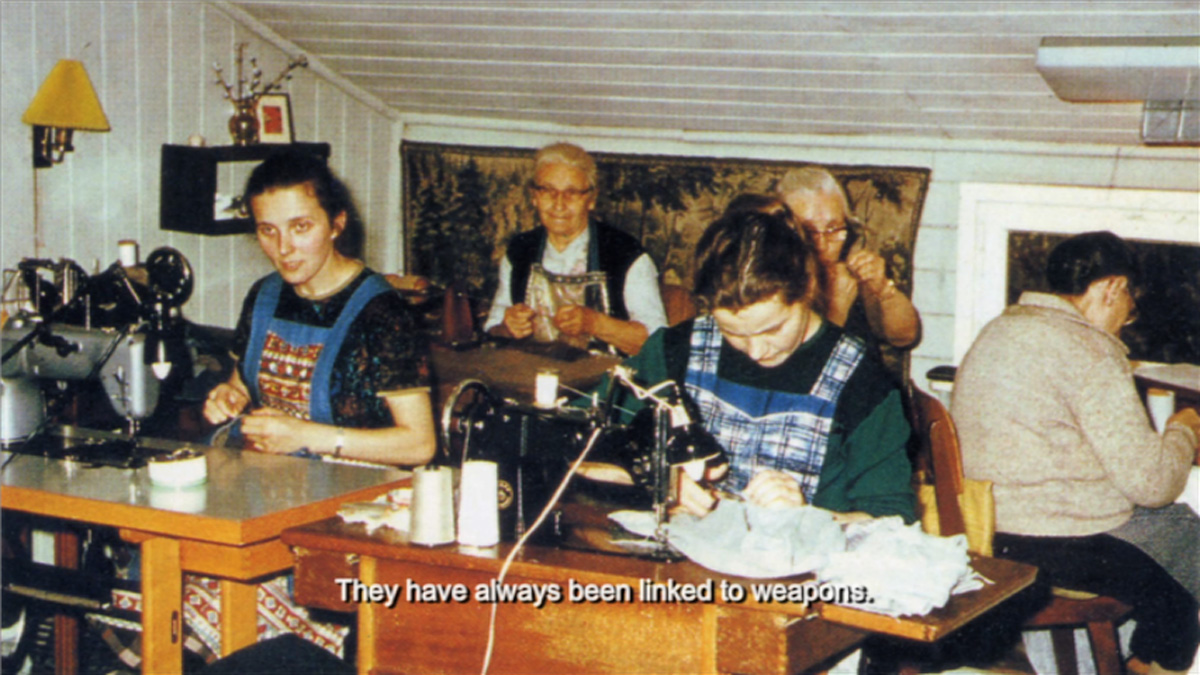
Colonia Renacer is twenty-five miles from Temuco (capital of the Araucanía Region in Chile). Its inhabitants are all, without exception, German. The only war criminal to have spent time in the colony was Walther Rauss, who, it was later claimed, had taken a part in certain torture sessions during the early years of Pinochet’s regime. Neighbors used to speak of albino families driving tractors at night. Magazine articles from the time contain what are probably manipulated photos in which the dismayed Chilean public was able to examine a number of rather pale and serious individuals tirelessly working the fields. After the coup in 1973, Colonia Renacer disappeared from the news.
This is a title. This is a text going with the image. This is a title. This is a text going with the image.
“Colonia Renacer is twenty-five miles from Temuco (capital of the Araucanía Region in Chile). Its inhabitants are all, without exception, German. The only war criminal to have spent time in the colony was Walther Rauss, who, it was later claimed, had taken a part in certain torture sessions during the early years of Pinochet’s regime. Neighbors used to speak of albino families driving tractors at night. Magazine articles from the time contain what are probably manipulated photos in which the dismayed Chilean public was able to examine a number of rather pale and serious individuals tirelessly working the fields. After the coup in 1973, Colonia Renacer disappeared from the news.
Lorem ipsum dolor sit amet, consectetur adipisicing elit. Eum aut consequuntur asperiores, soluta dolorem quis, neque, saepe officia quia nulla minus pariatur, vero consectetur reiciendis quibusdam harum quo deleniti sapiente!
Show More
When Manifesta, the European Biennial of Contemporary Art, was first instituted in 1993, it was in the spirit of cultural exchange, globalization and European integration that followed the end of the Cold War. In being an itinerant entity, Manifesta had a double remit: first, to present a picture of a pan-European cultural field; and second, to reflect specifically on the often troubled border zones in which the biennial was sited.
This interest in conflict zones backfired at the last instalment of the exhibition, which was planned for Nicosia on the divided island of Cyprus in 2006 but cancelled at the last minute owing to regional politics. Although following in the path of this pockmarked history, Manifesta 7 offers itself at a moment very different from that of 1993. Many of the issues addressed by previous incarnations – regionalism, for example, or border crossings – have been parsed into subdivisions or now seem to lack clarity, and a number of current exhibitions and journals even suggest a return to considerations of the nation-state, conceived as an entity with qualified claims to artistic uniqueness. The slightly uncertain focus of this year’s Manifesta reflects perhaps as much biennial fatigue as this more widespread move away from such key biennial assumptions. Indeed, spread out across four sites (in three cities and one abandoned fortress) in the affluent Italian region of Trentino–South Tyrol, the four shows that comprised Manifesta all faltered – and, interestingly, in different ways – in responding to the notion of the continent at large, or even the specific history of the locale.
Show More
“Colonia Renacer is twenty-five miles from Temuco (capital of the Araucanía Region in Chile). Its inhabitants are all, without exception, German. The only war criminal to have spent time in the colony was Walther Rauss, who, it was later claimed, had taken a part in certain torture sessions during the early years of Pinochet’s regime. Neighbors usedto speak of albino families driving tractors at night. Magazine articles from the time contain what are probably manipulated photos in which the dismayed Chilean public wasable to examine a number of rather pale and serious individuals tirelessly working the fields. After the coup in 1973, Colonia Renacer disappeared from the news. Willy Schürholz, the youngest of five brothers, did not learn to speak Spanish properly until he was ten years old. Until then, his world was this vast domain enclosed by the colony’s barbed-wired fences.” (From Roberto Bolaño’s, Two Germans At The Ends of The Earth , 1996)
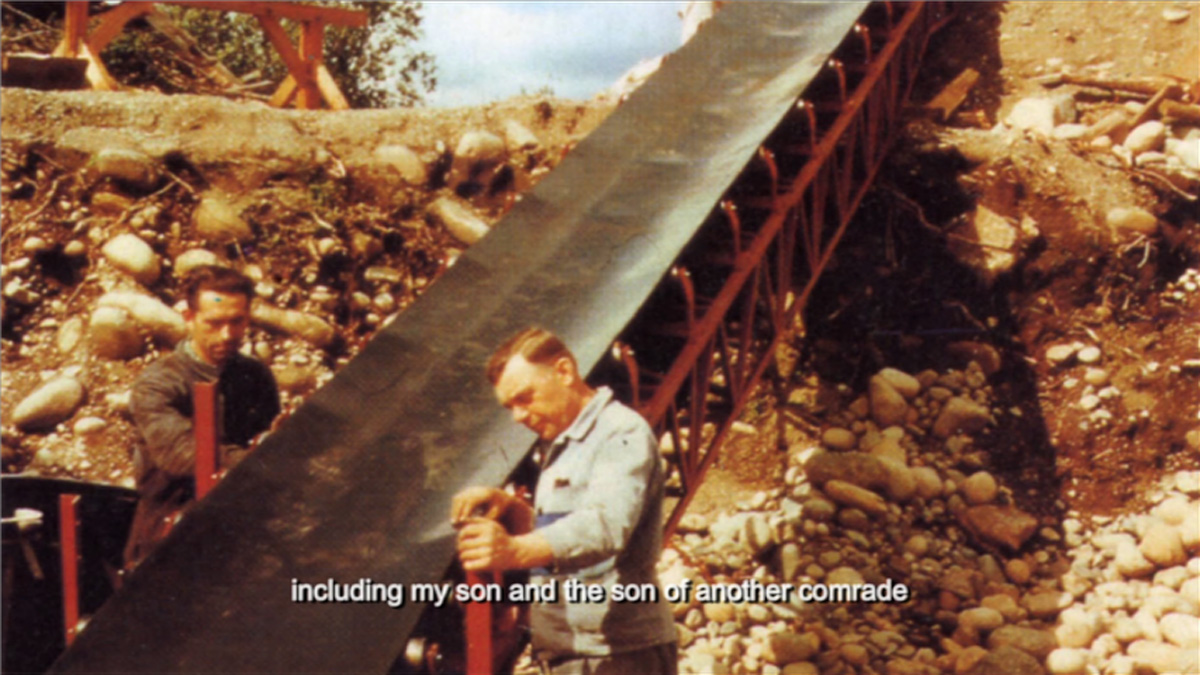
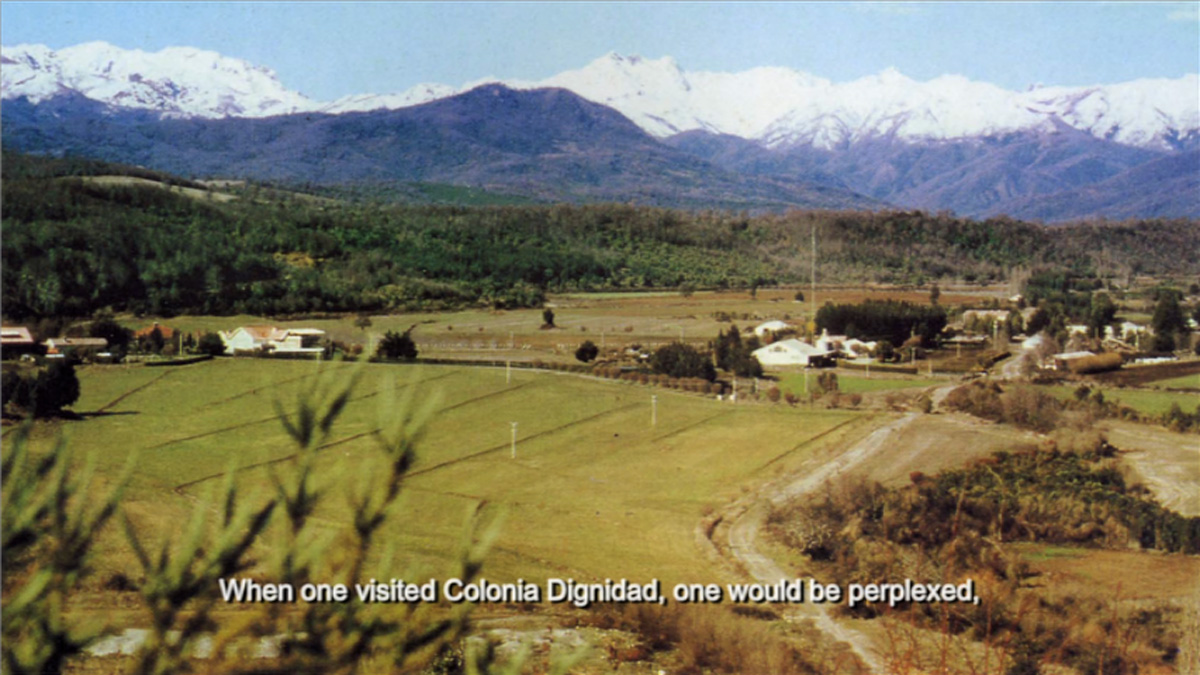
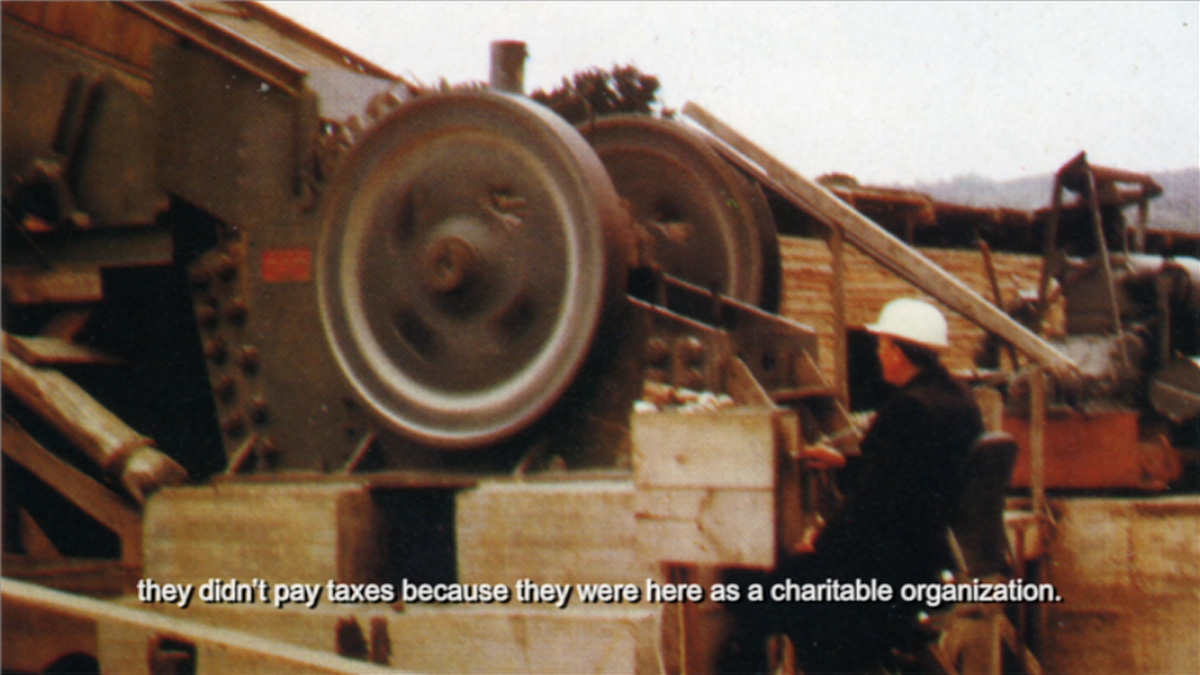
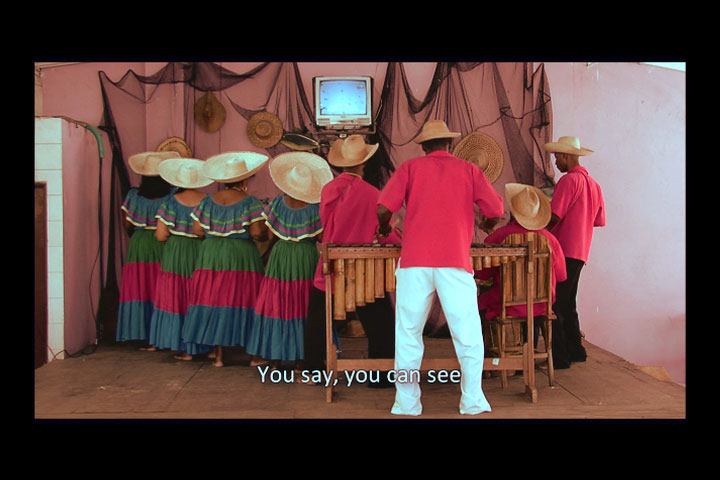
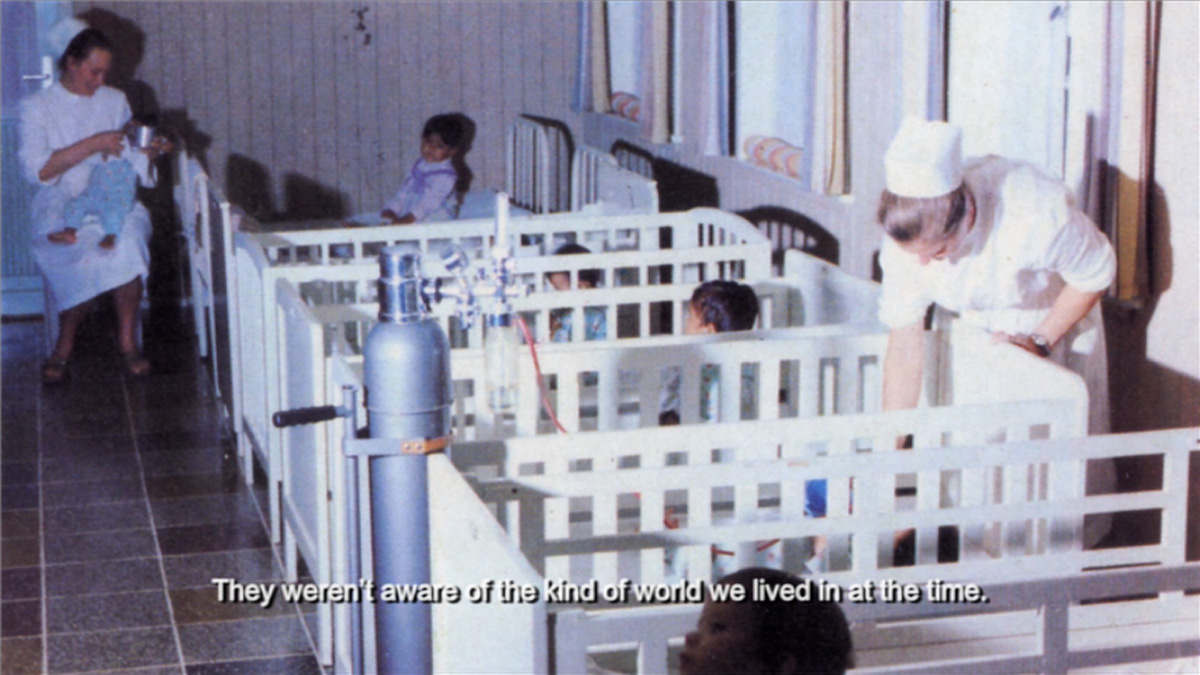
Judi Werthein’s documentary on Colonia Dignidad, a heavily guarded German enclave in the Aracuaria region in Chile, shows a society within a society. German customs prevail and anachronistic notions of a life in another place (in geography and history) are maintained. Children who grow up in the area do not learn Spanish until they are almost adults. This being closed off and having a border against the rest of the world are well guarded, which made it possible for the war criminal and Gestapo officer, Walter Rauss, to have a refuge in the area. The residents uphold their own normality, but in the surrounding districts myths and stories are told about strange occurrences inside this society surrounded by barbed wired.
Loading JUDI WERTHEIN
1
An article in the Christian Science Monitor (Nov. 23) by Alexandra Marks entitled "When US bars its door to foreign scholars" reports on a lawsuit brought to determine whether the U.S. government is using antiterror laws - namely, the Patriot Act - to revive a now-discredited practice common during the cold war: the prevention of foreign intellectuals who are critical of administration policies from entering the country and sharing their views with Americans.
This is a title. This is a text going with the image. This is a title. This is a text going with the image.
This is a title. This is a text going with the image
Calzado de pie Grande y un poquito de salas Guacamaya
This is a title. This is a text going with the image
This is a title. This is a text going with the image. This is a title. This is a text going with the image.
An article in the Christian Science Monitor (Nov. 23) by Alexandra Marks entitled "When US bars its door to foreign scholars" reports on a lawsuit brought to determine whether the U.S. government is using antiterror laws - namely, the Patriot Act - to revive a now-discredited practice common during the cold war: the prevention of foreign intellectuals who are critical of administration policies from entering the country and sharing their views with Americans.
Show More
Public User: C C
11.19.05 | 17:36 PM
By the way legal entry to this country is fine by me!
Public User: C C
11.19.05 | 10:19 AM
For those of you that are opposed to illegal immigration......the LAW is on your side you don't have to argue with these idiots that don't want to protect America from turning into Mexico. Now we just need to do something to shut down the corporations and 'sympathetic artists' (that seem to make a lot of money off of stupid shoes) they should be penalized for their actions.
Show More
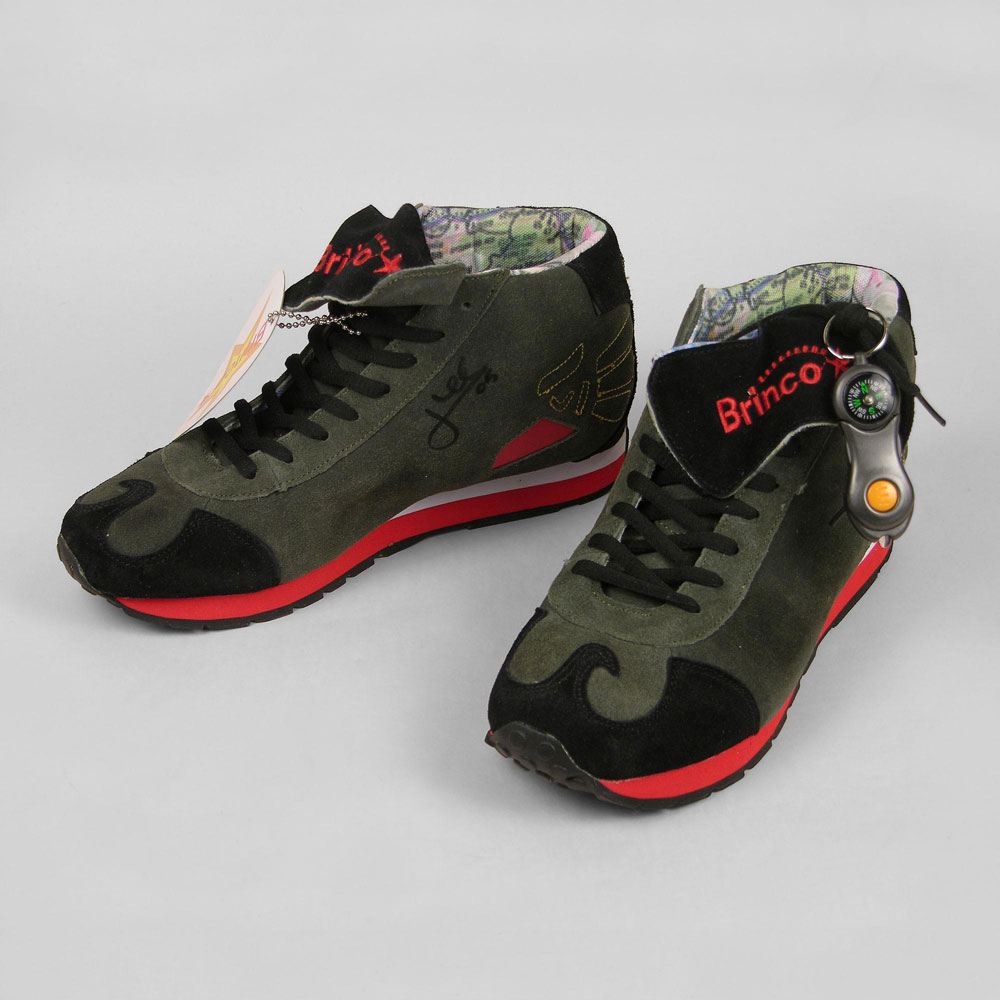
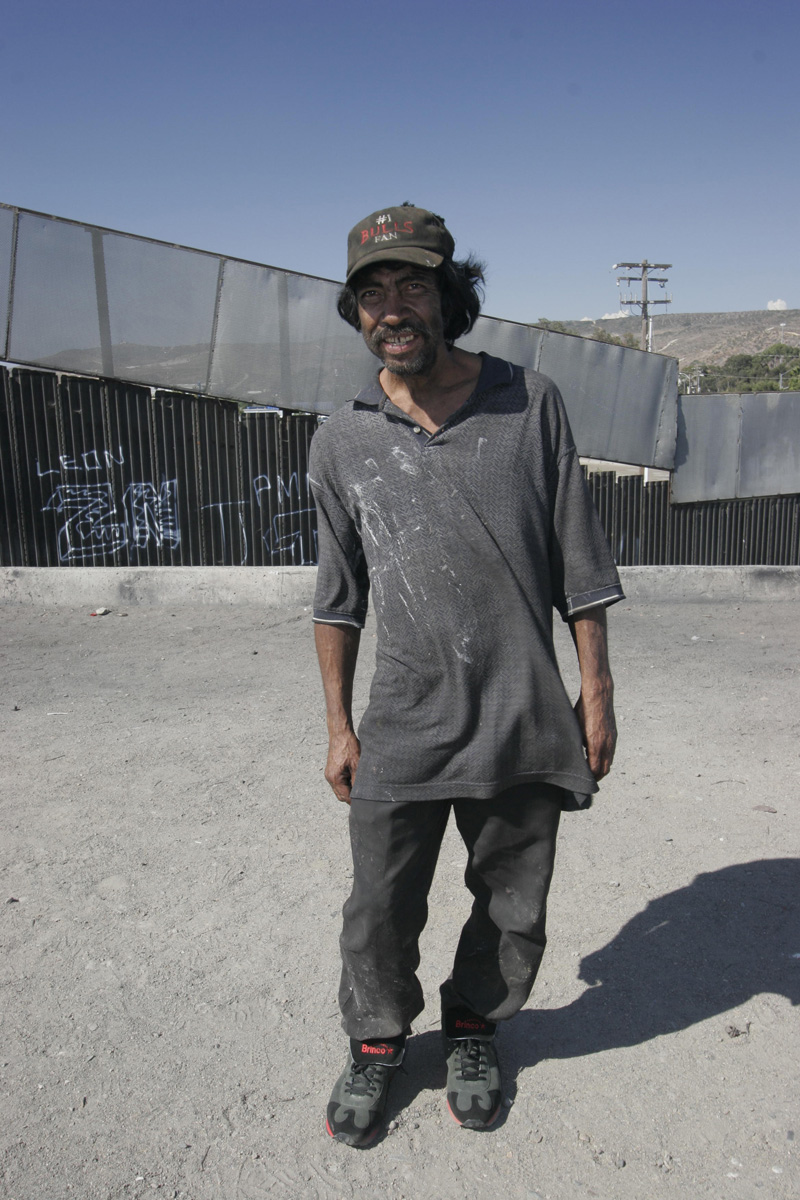
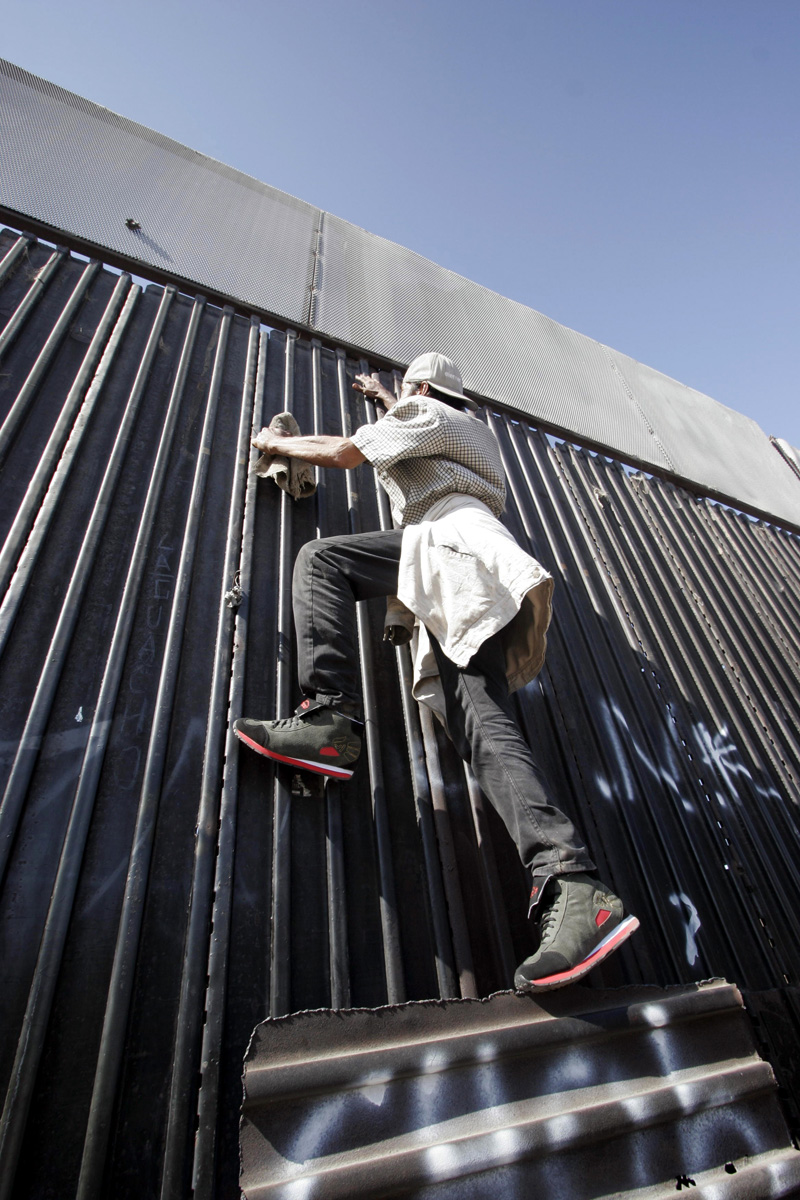
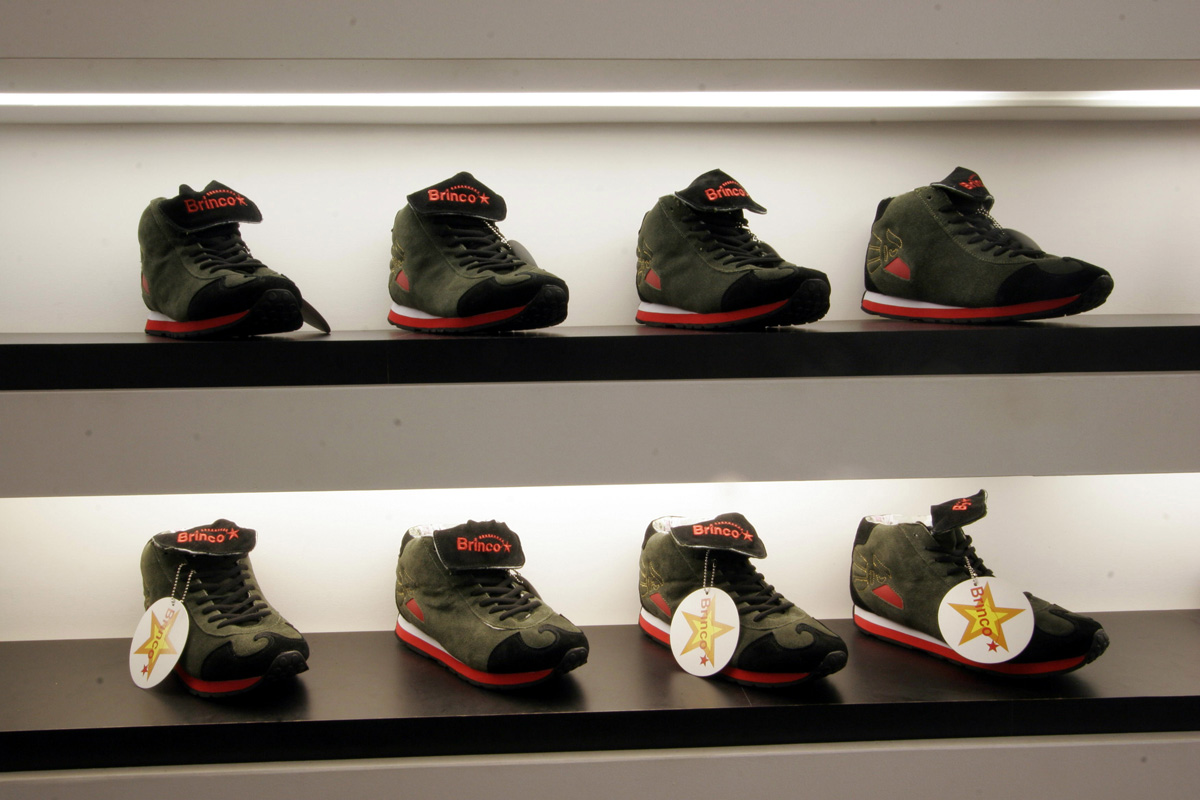
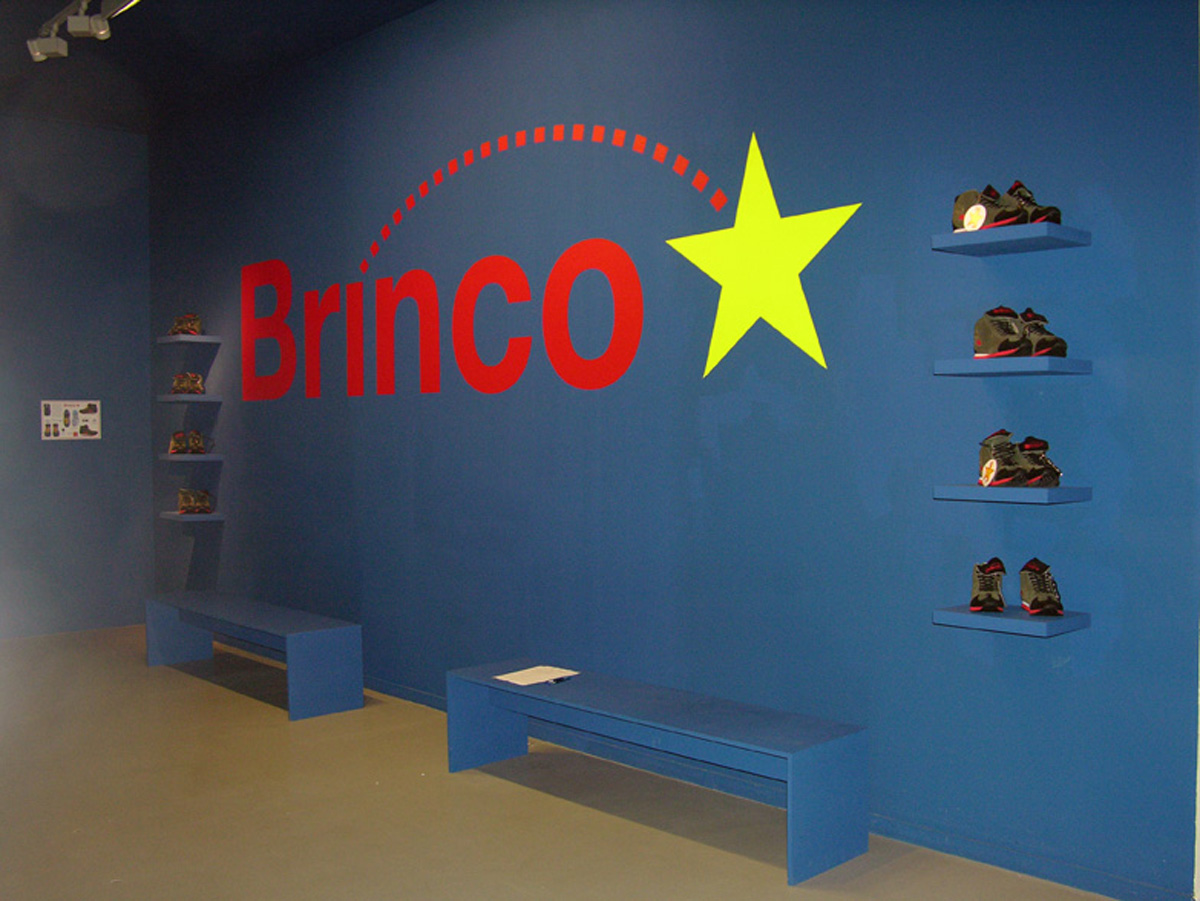
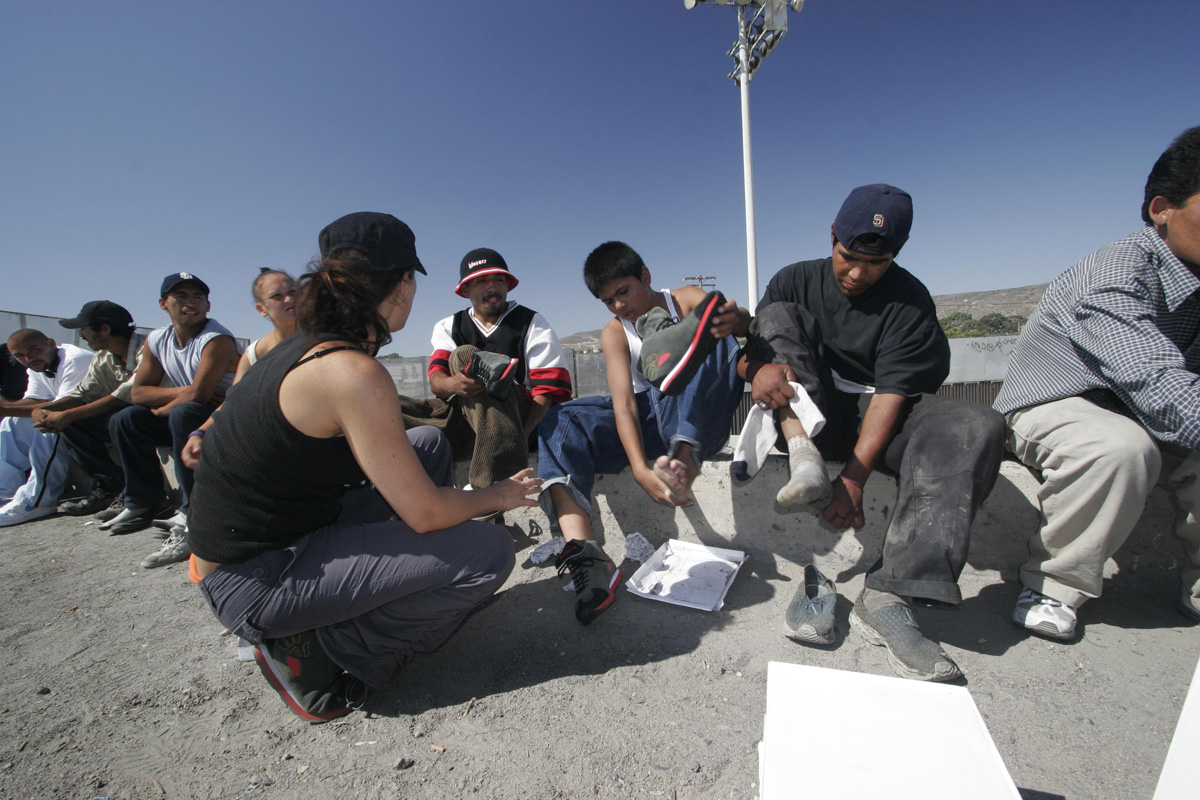
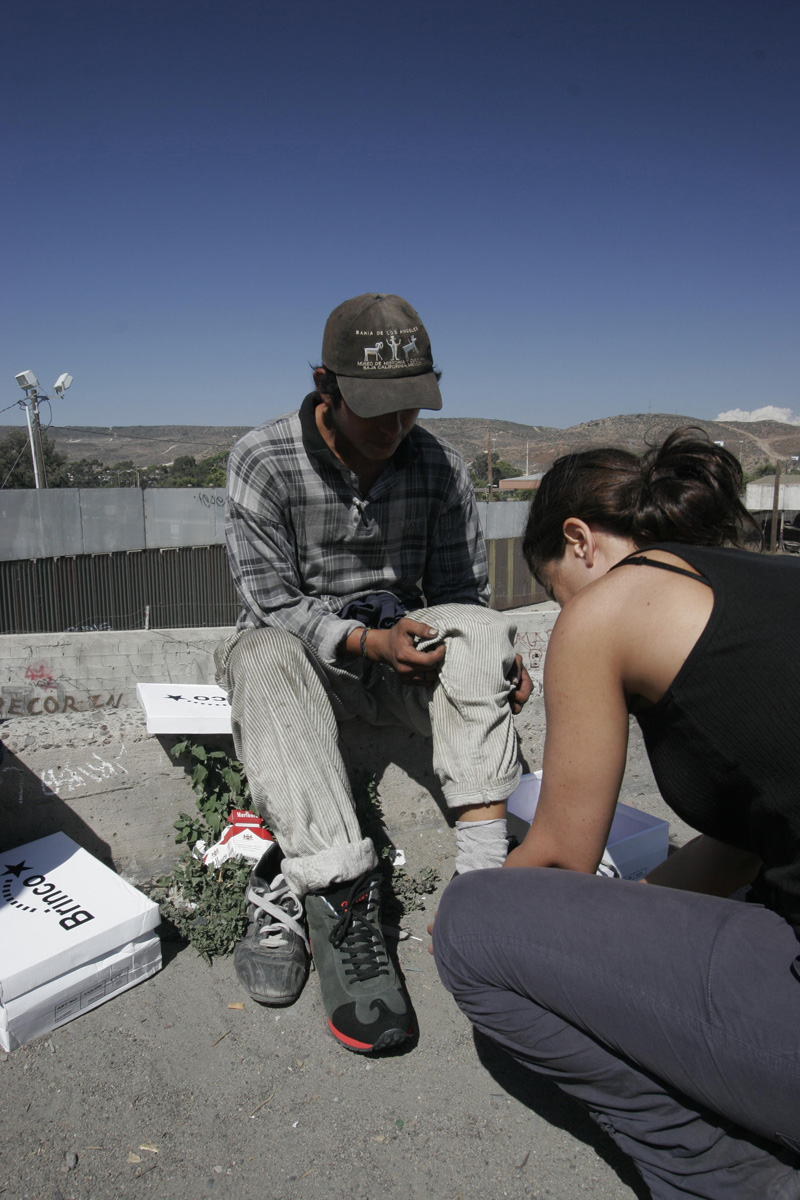
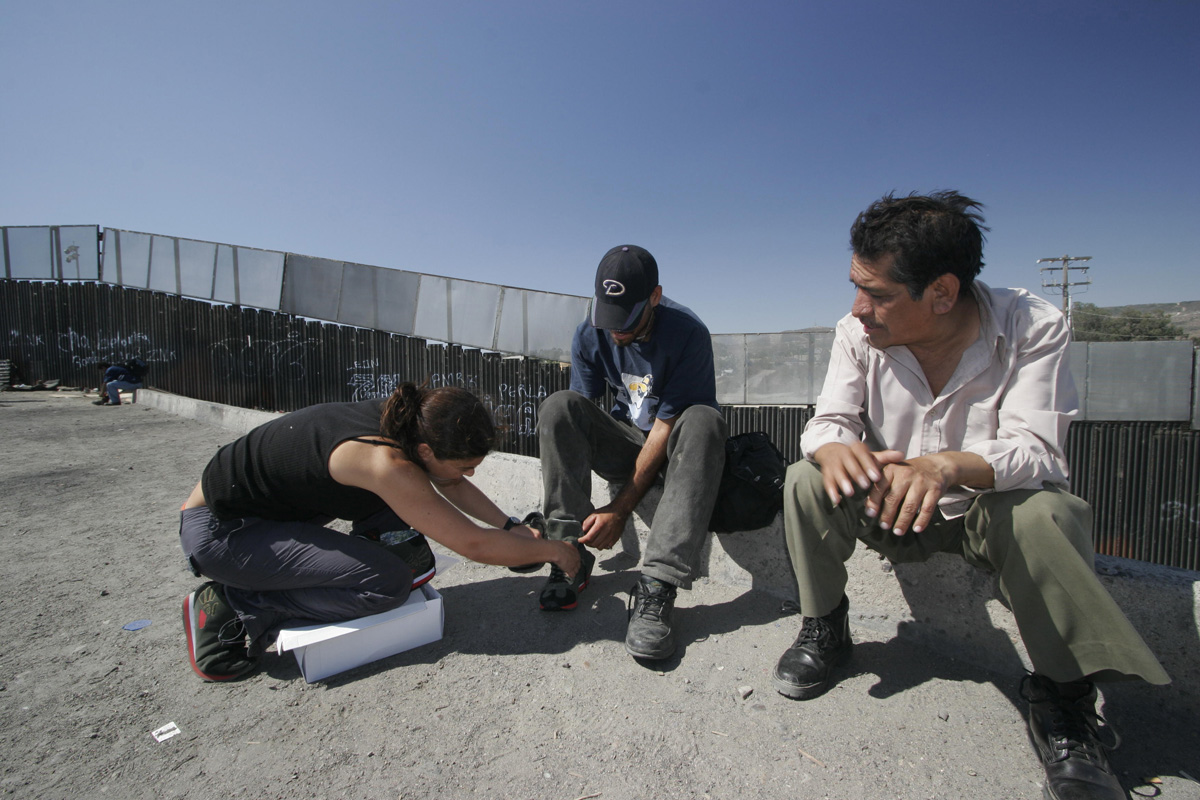
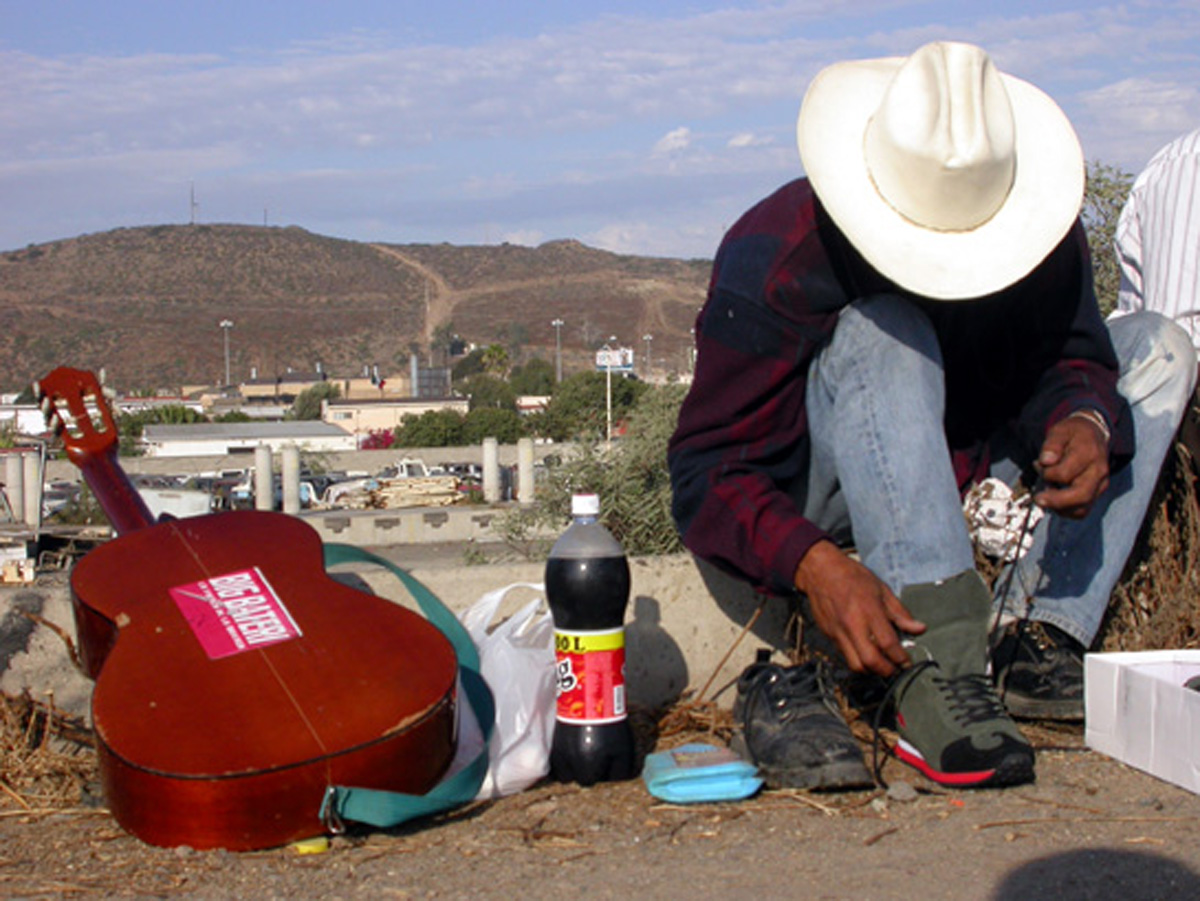
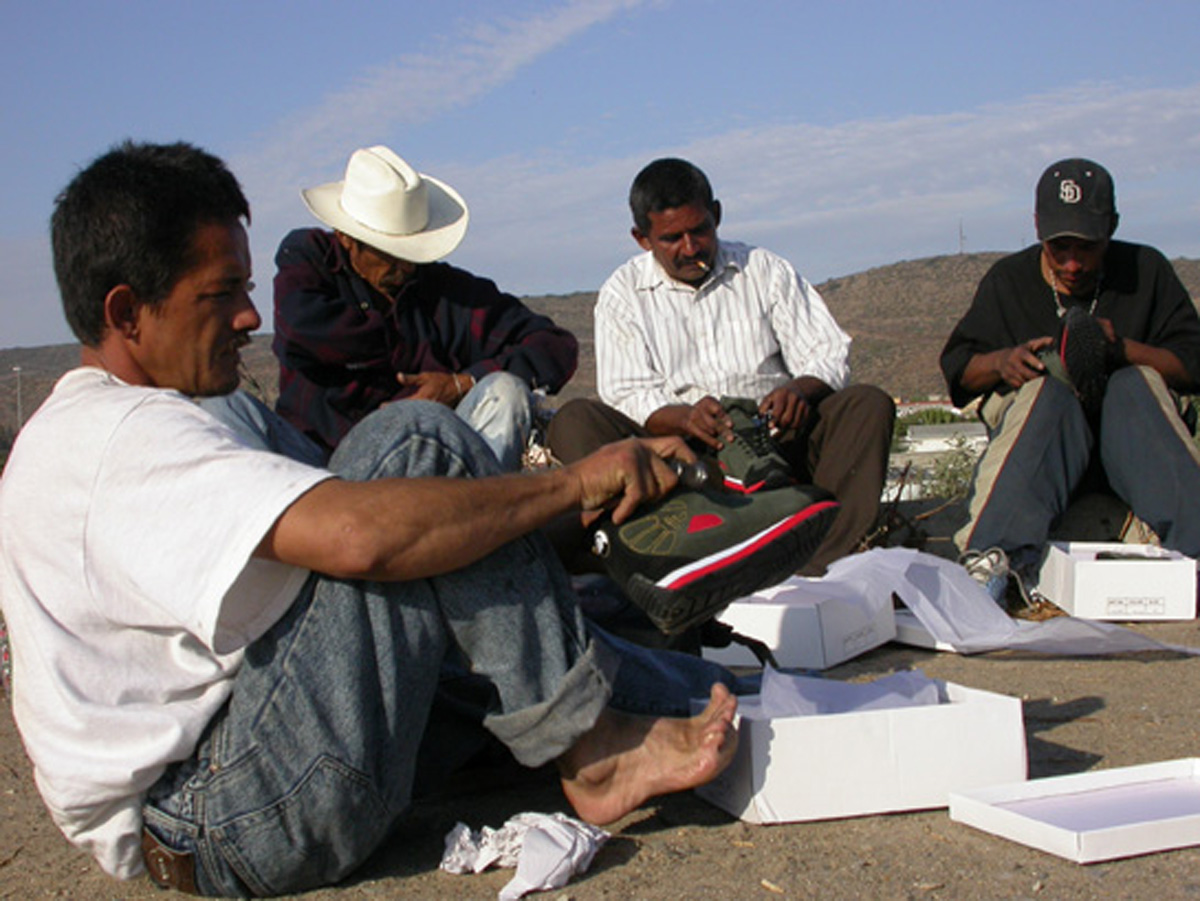
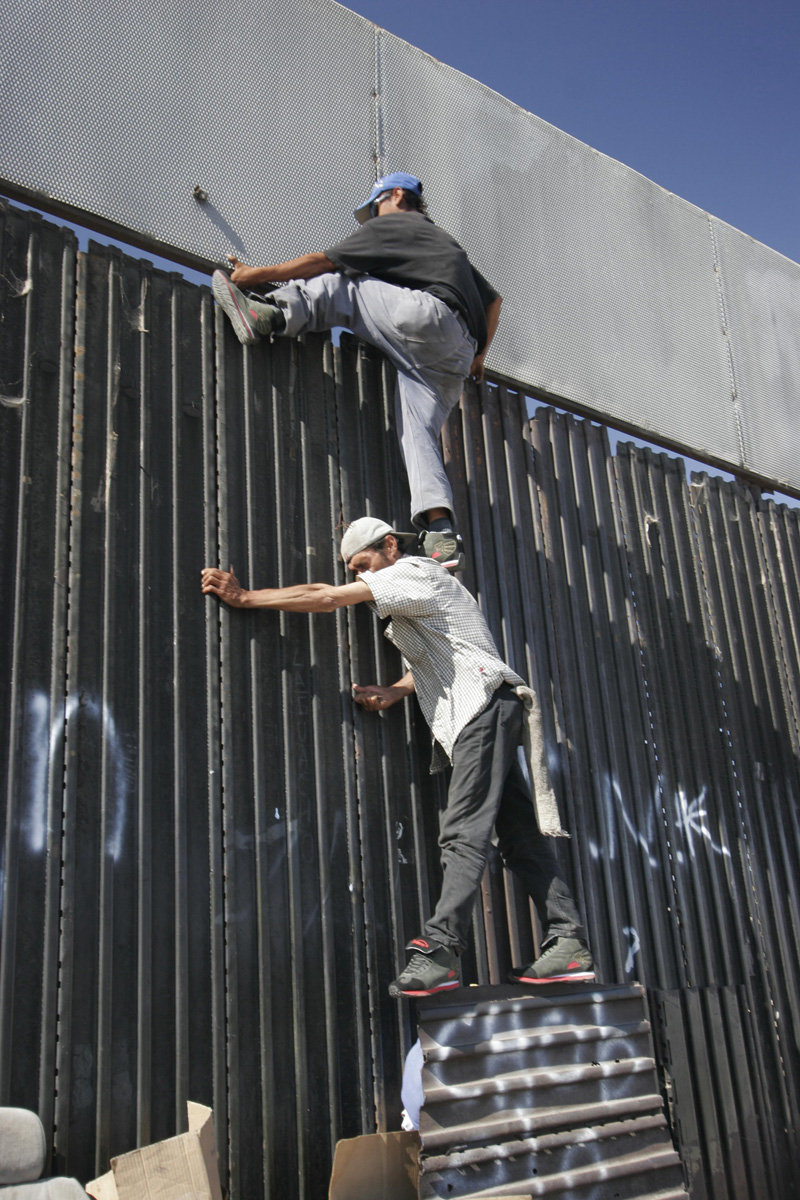
SAN DIEGO — The high-top sneakers cost $215 at a San Diego boutique, but the designer is giving them away to migrants before they cross to this side of the U.S.-Mexico border. These are no ordinary shoes.
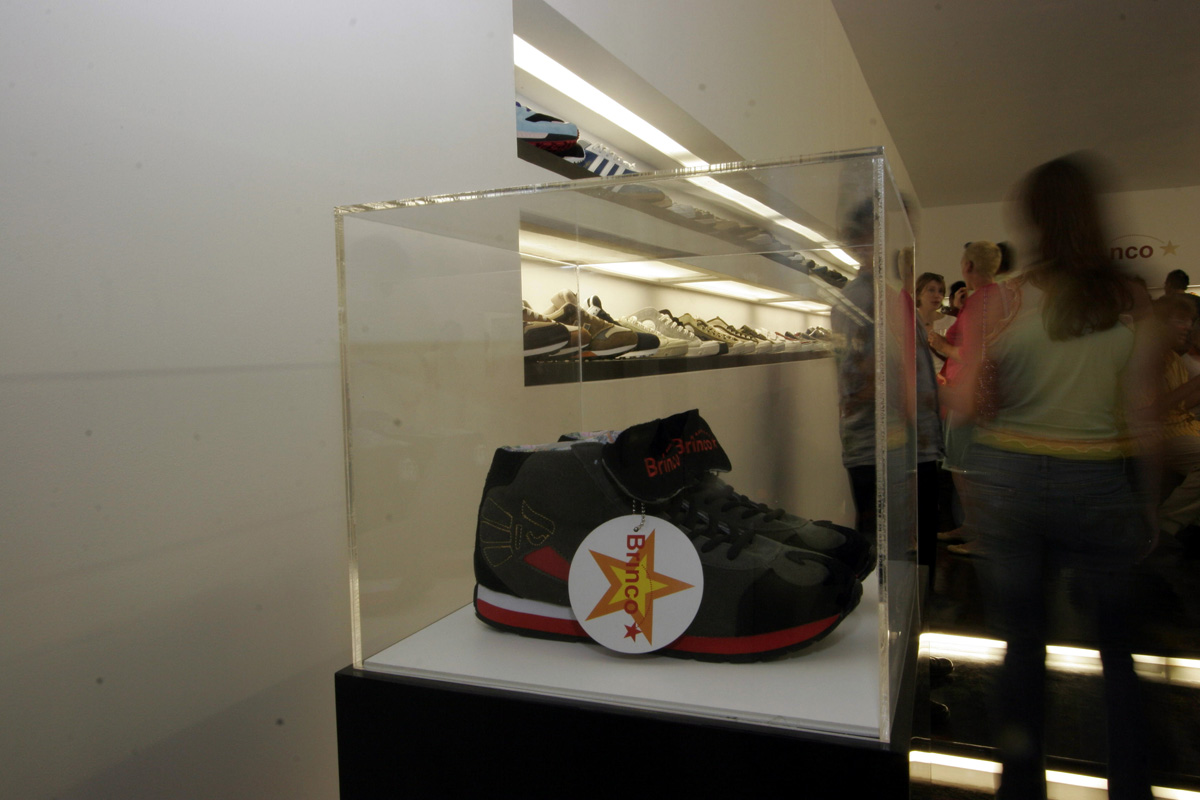
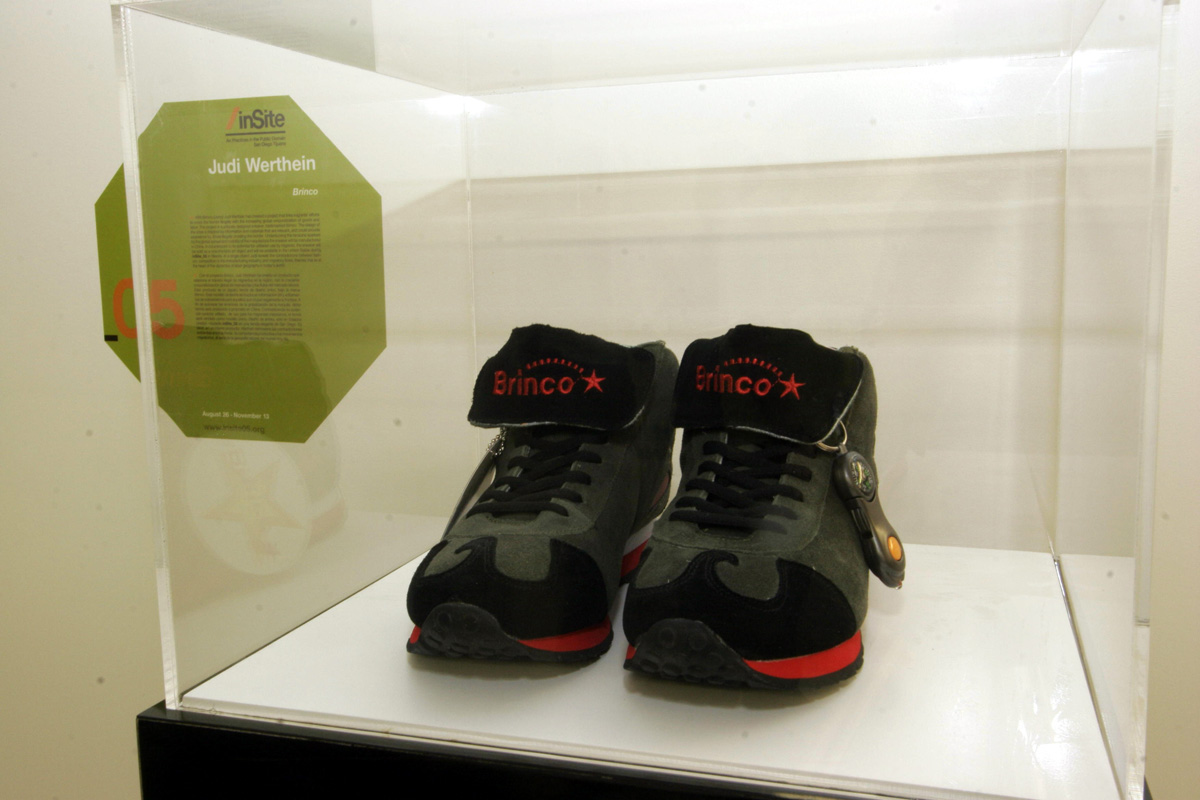
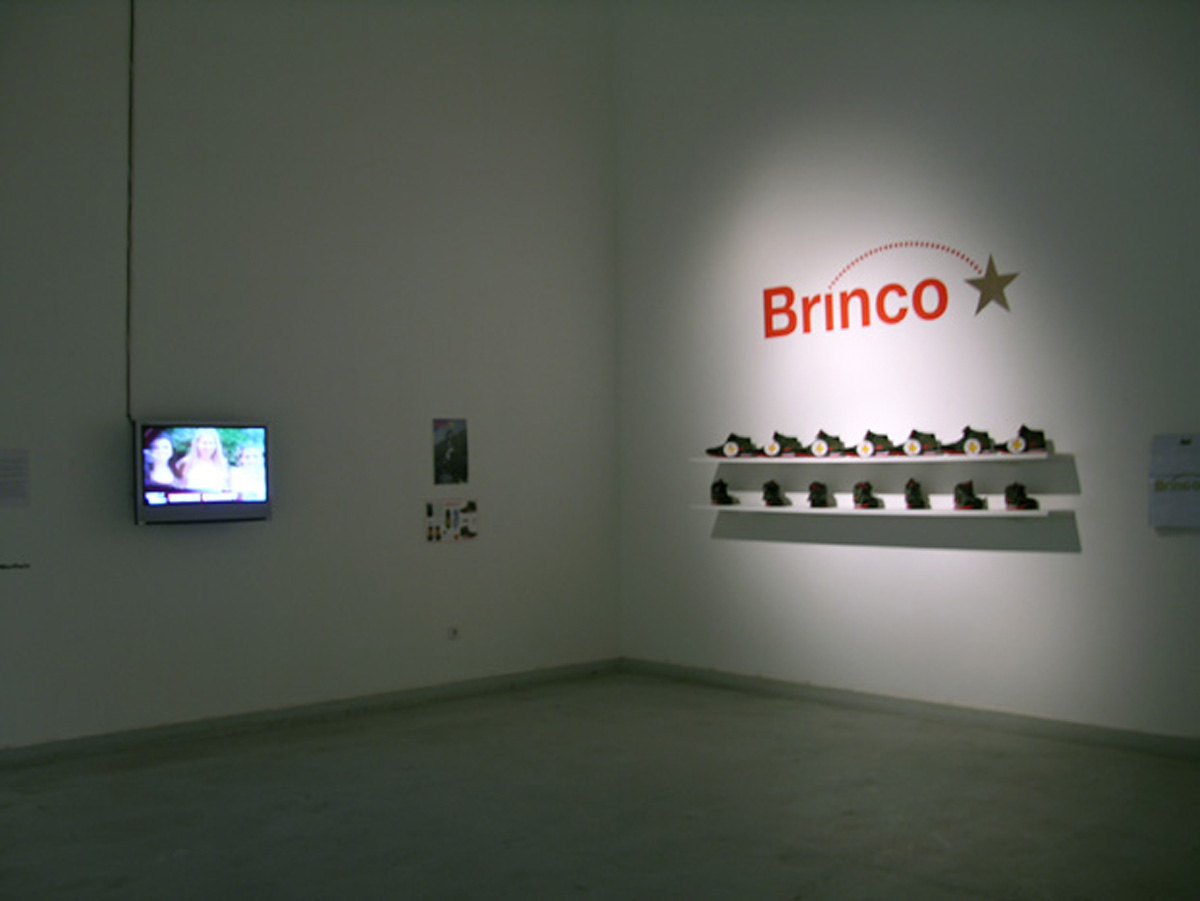
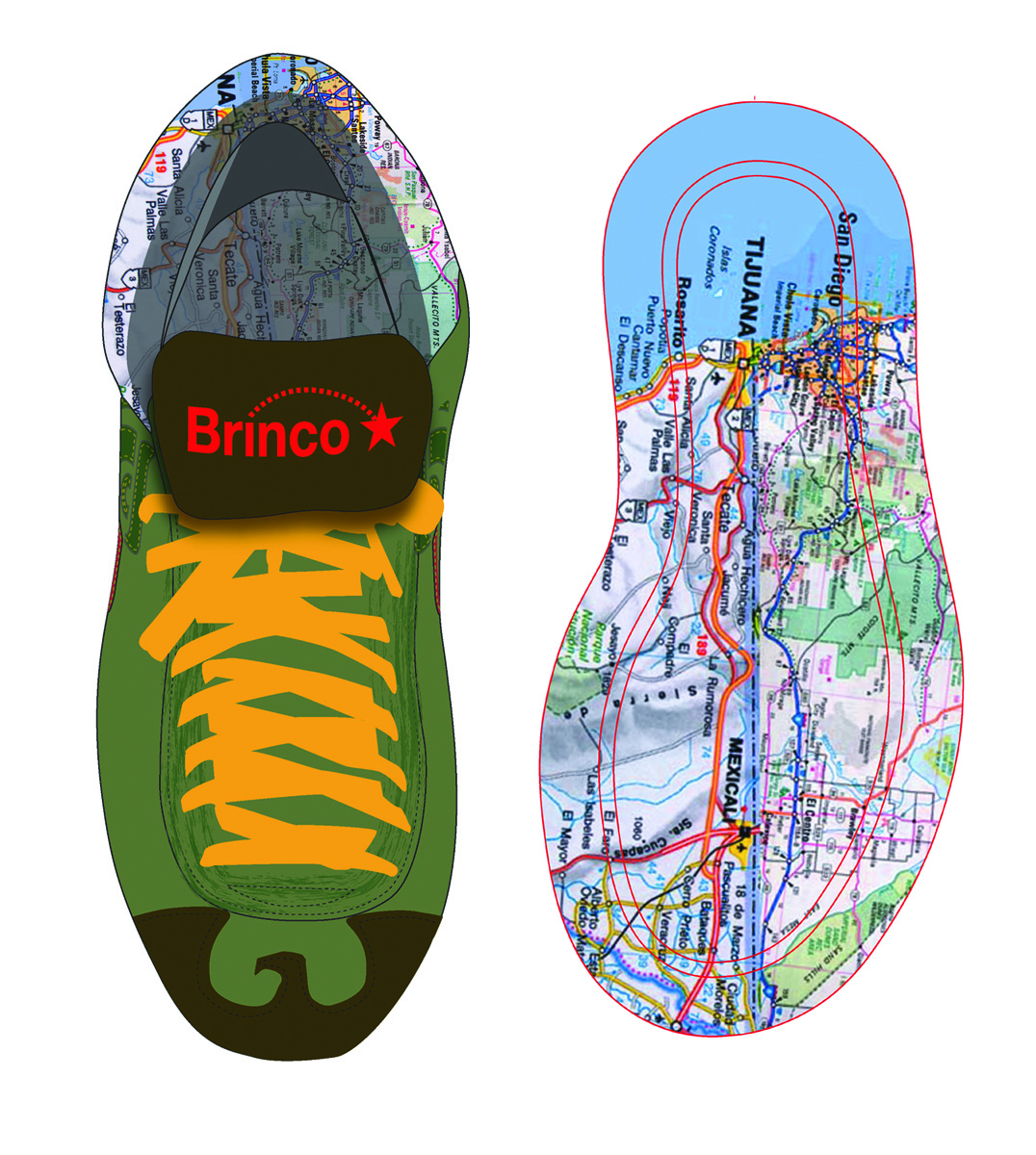
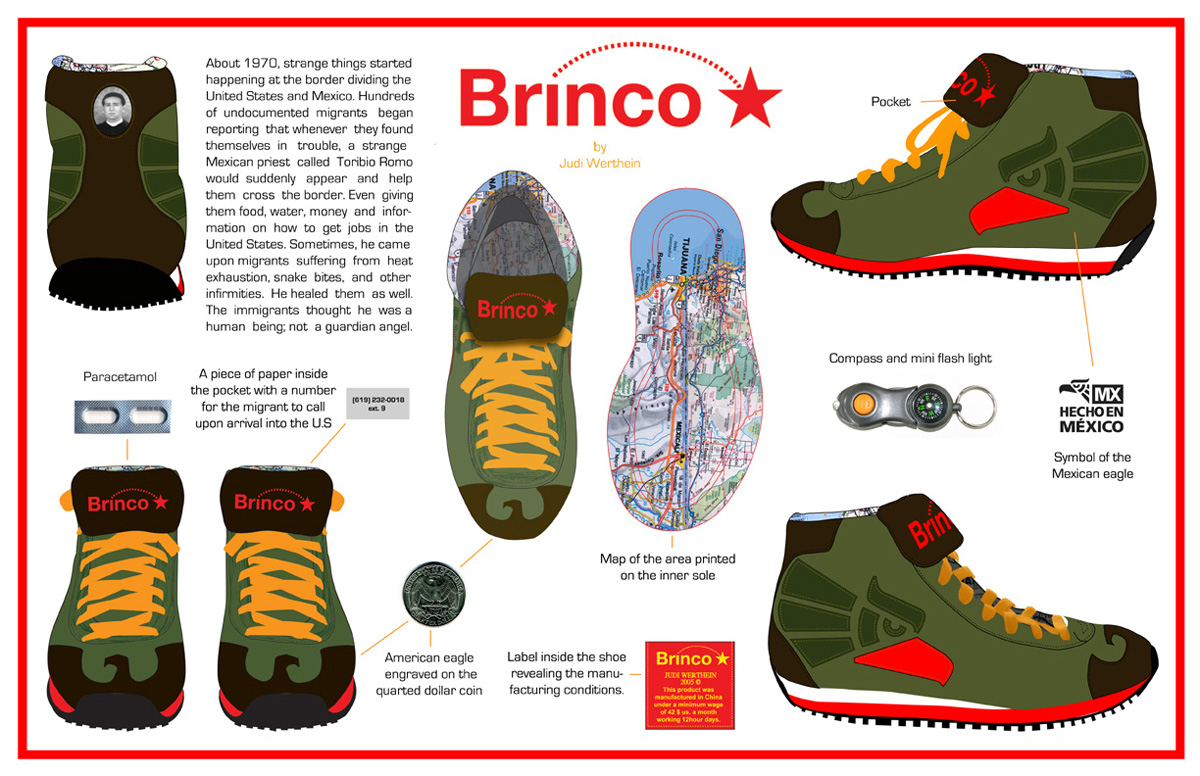
A compass and flashlight dangle from one shoelace. The pocket in the tongue is for money or pain relievers. A rough map of the border region is printed on a removable insole. They are red, white and green, the colors of the Mexican flag. On the back of the ankle is a drawing of Mexico's patron saint of migrants.
Mexico has a problem. Hard worker and lots of natural wealth yet the corruption and mismanagement keeps them poor. Illegal immigrants serve as a safety valve, things never get so bad that the people demand change.
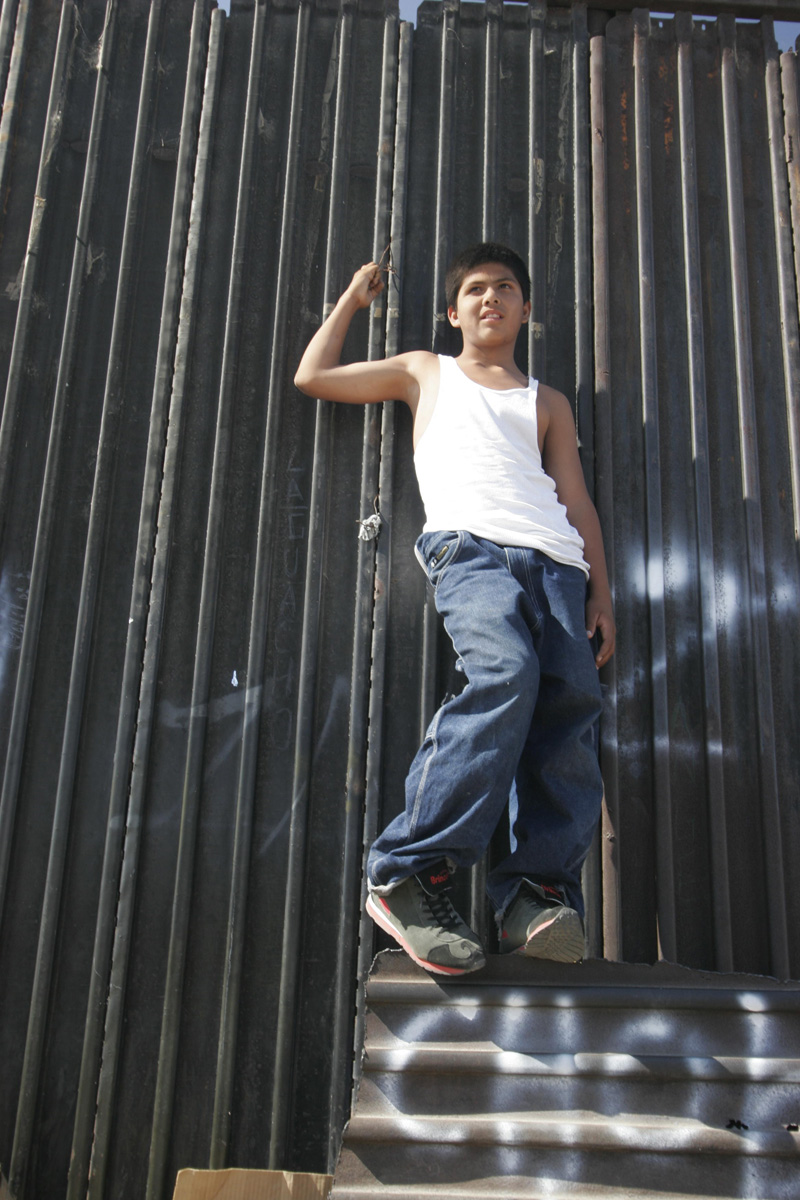
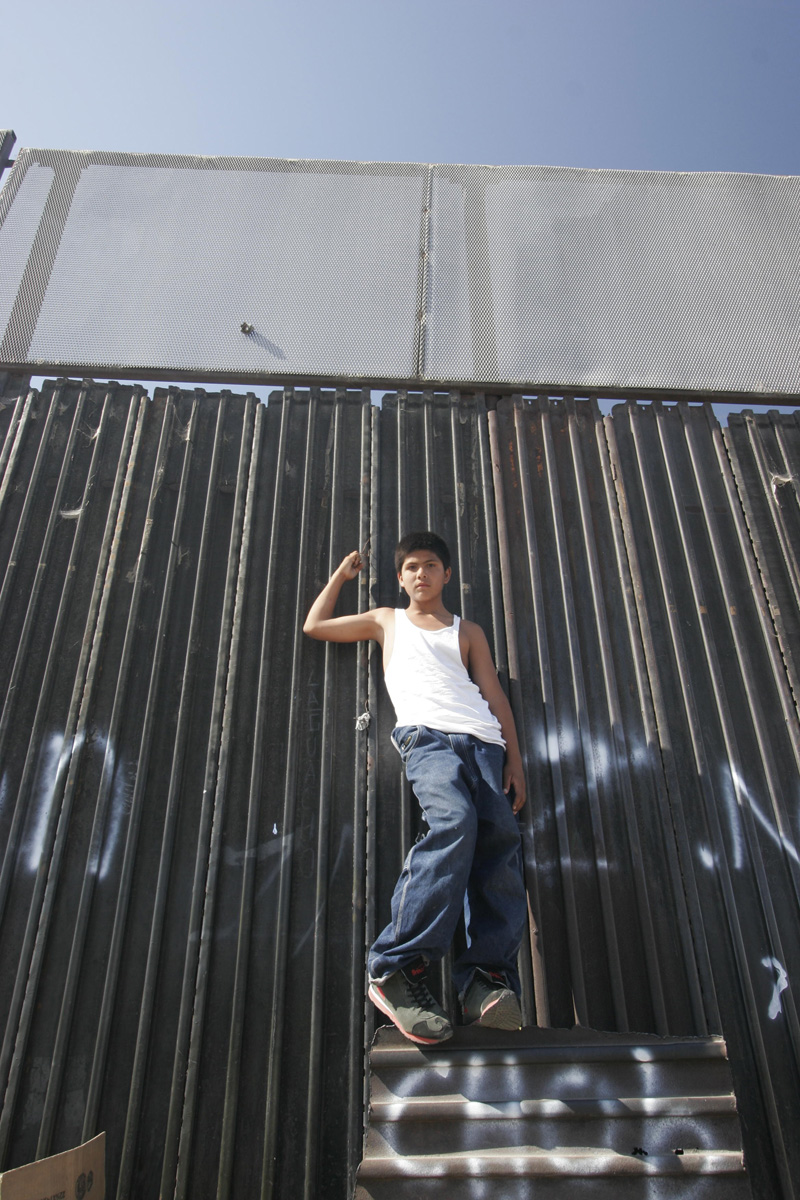
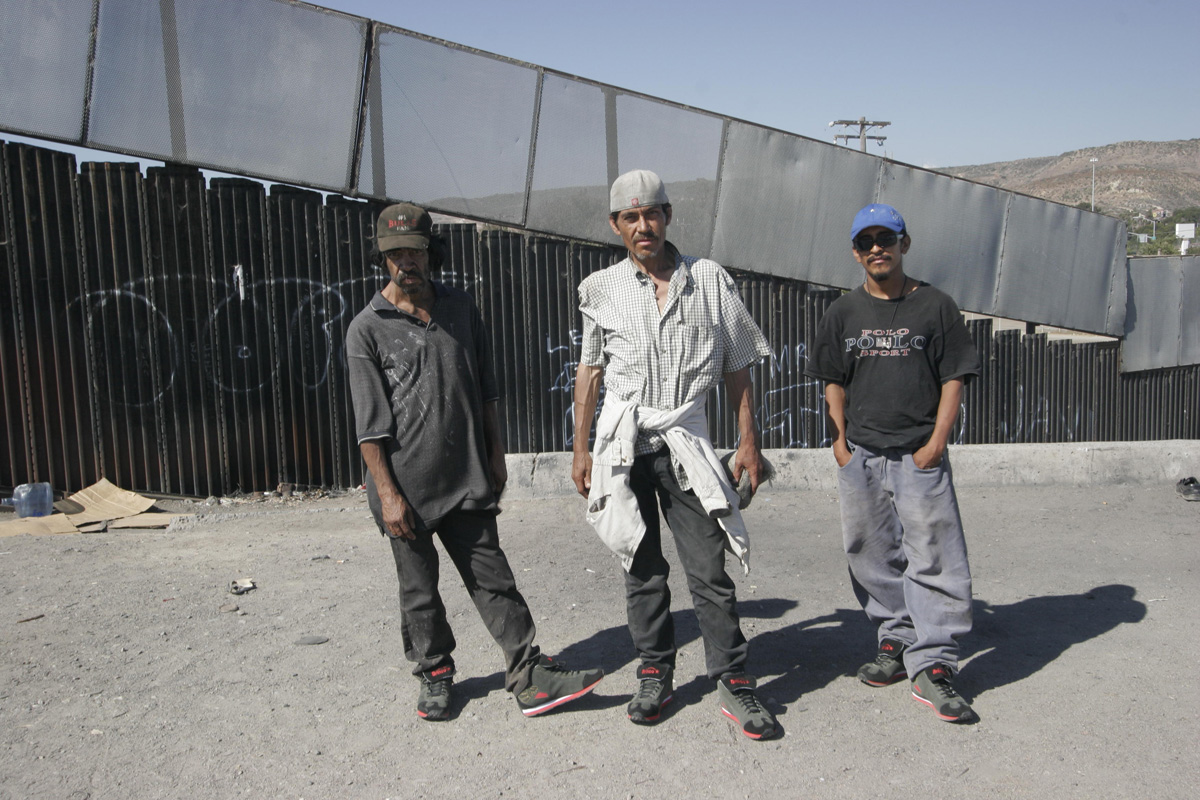
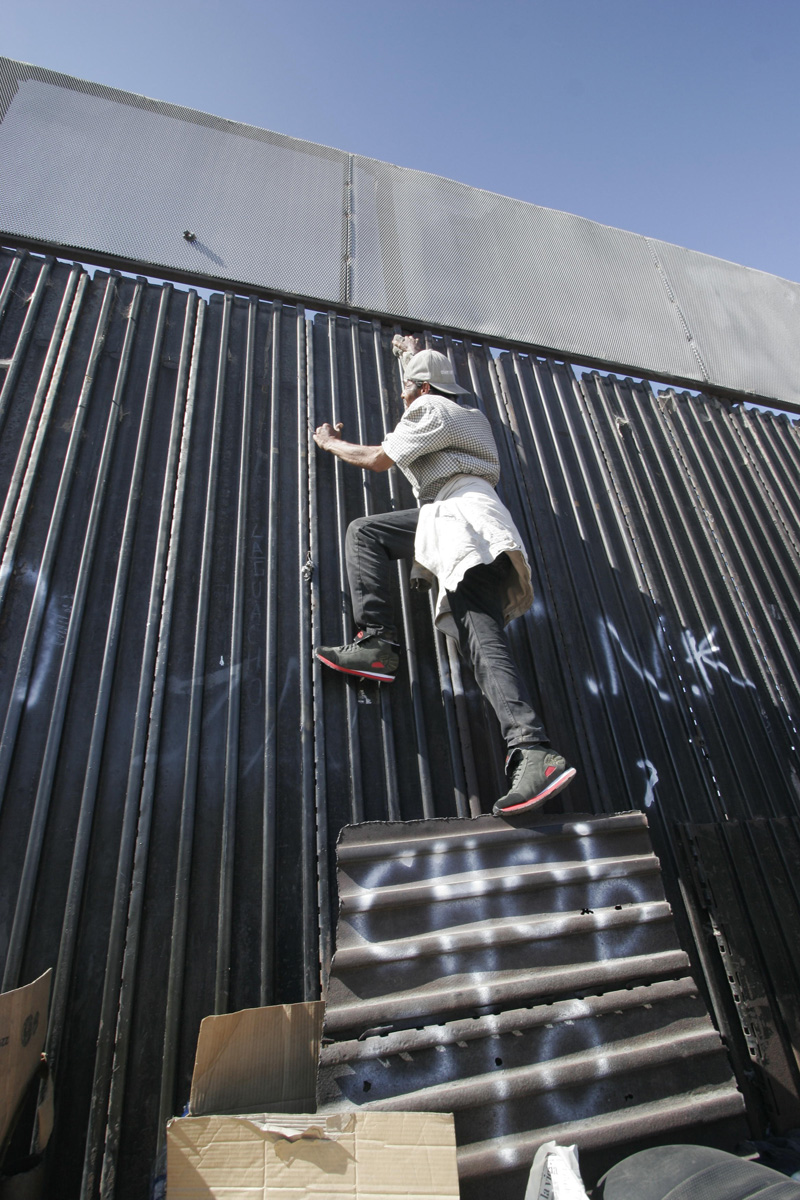
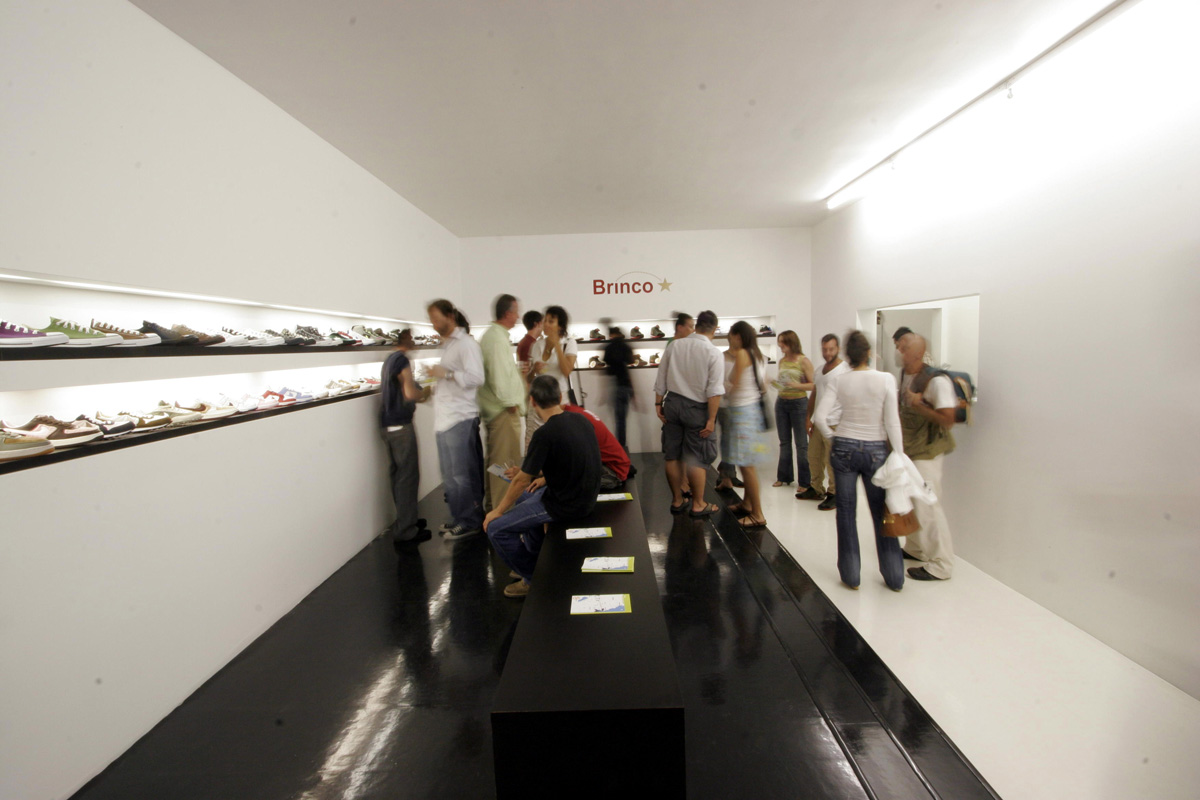
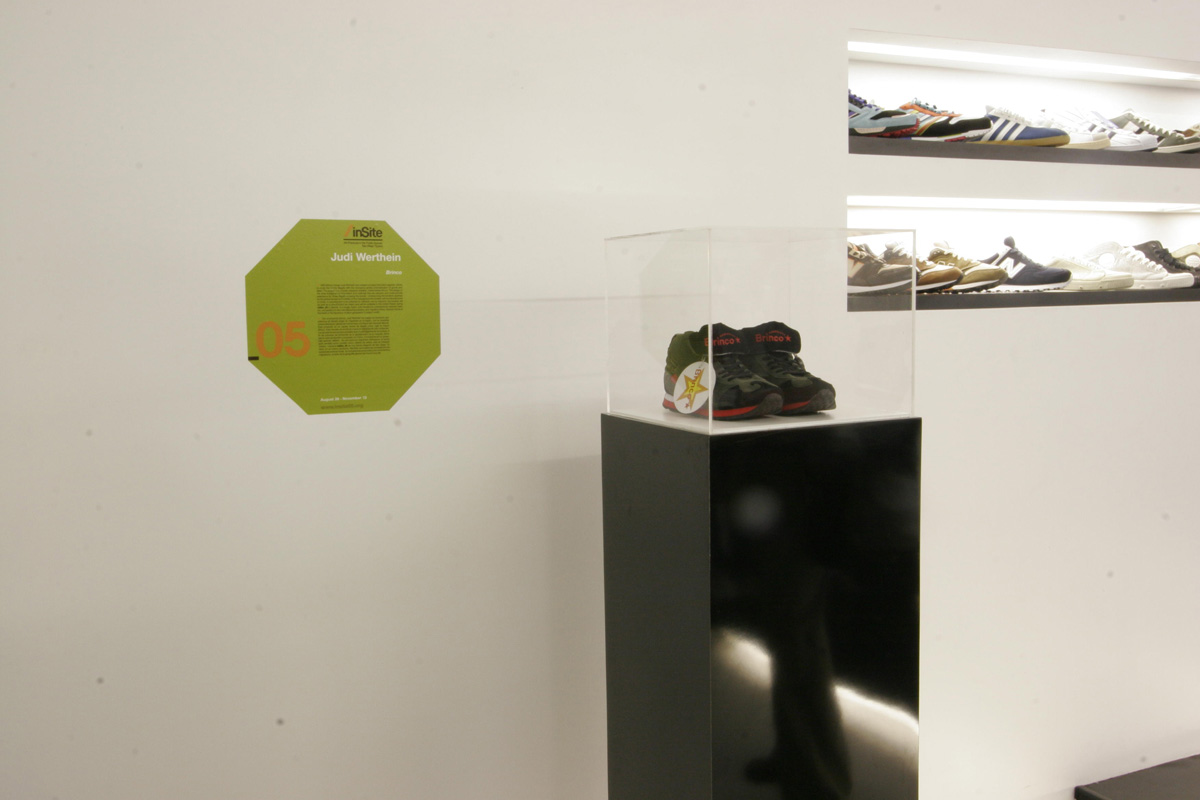
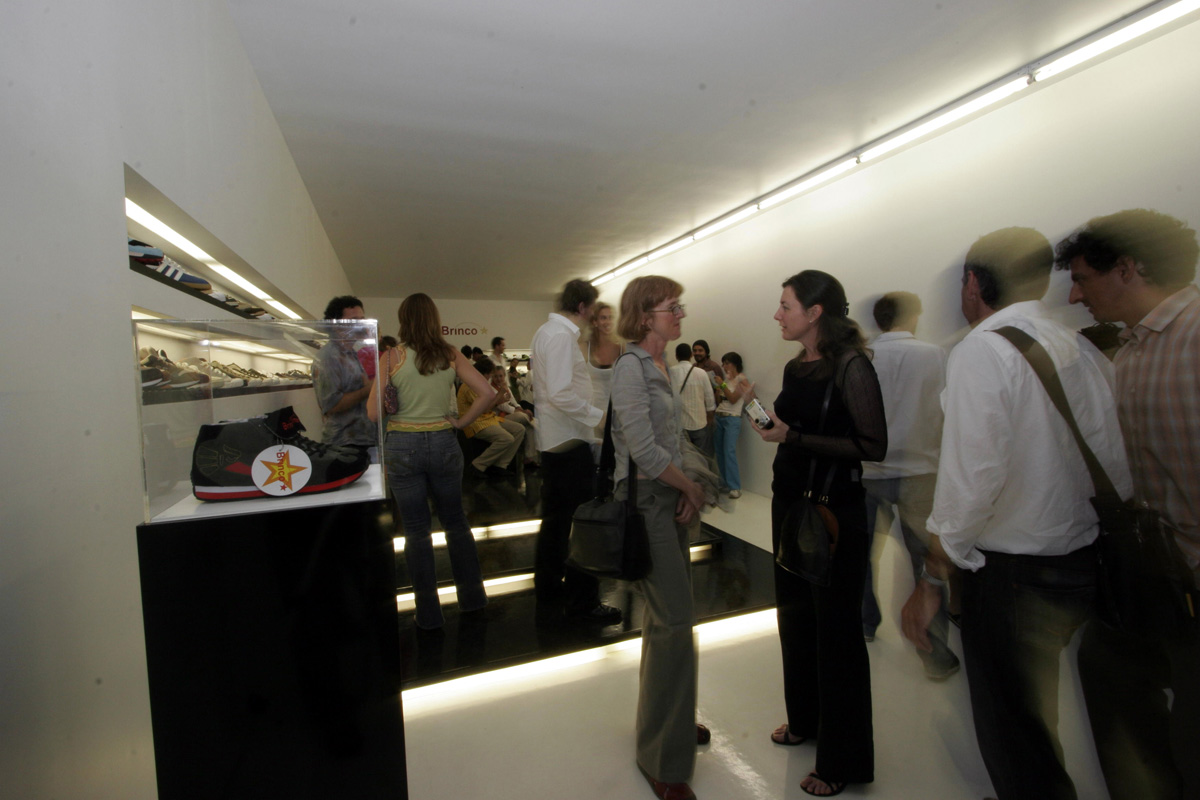
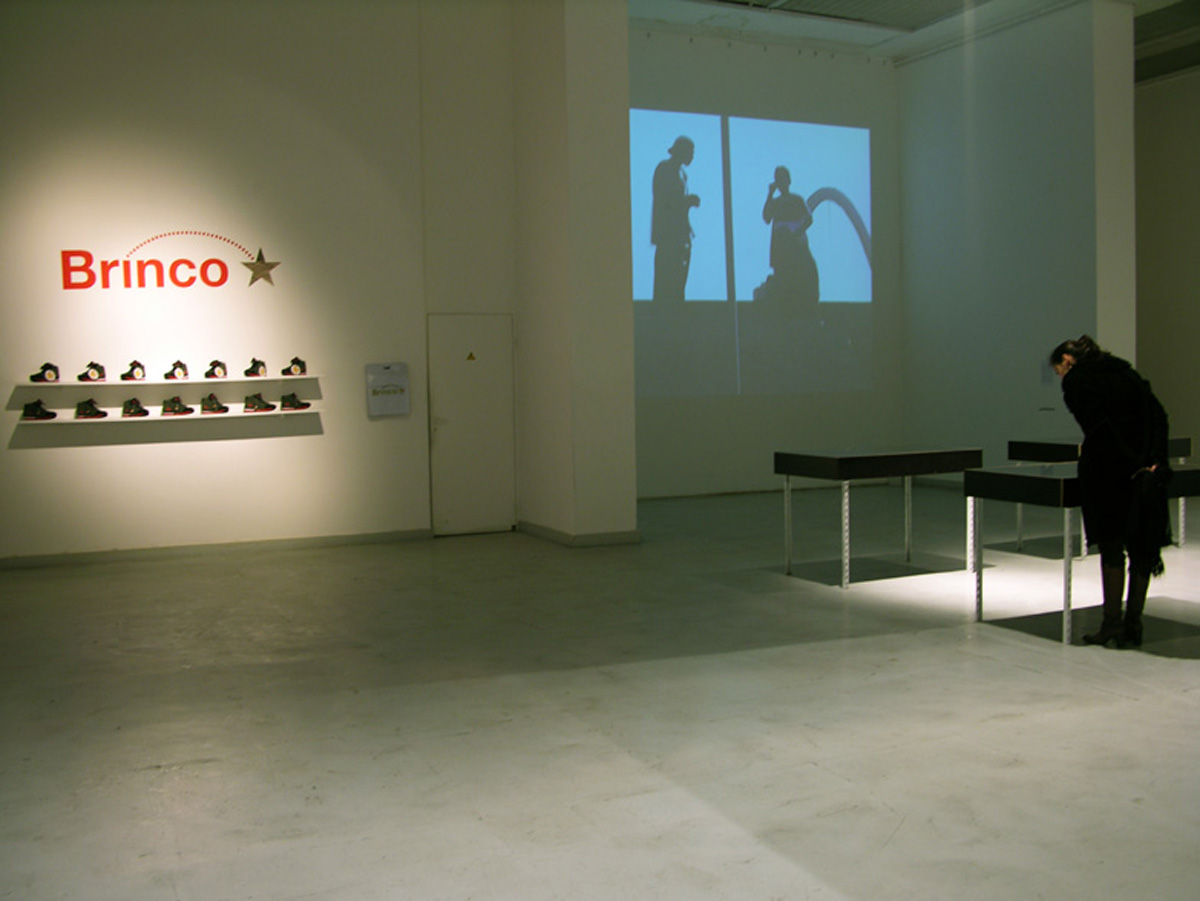
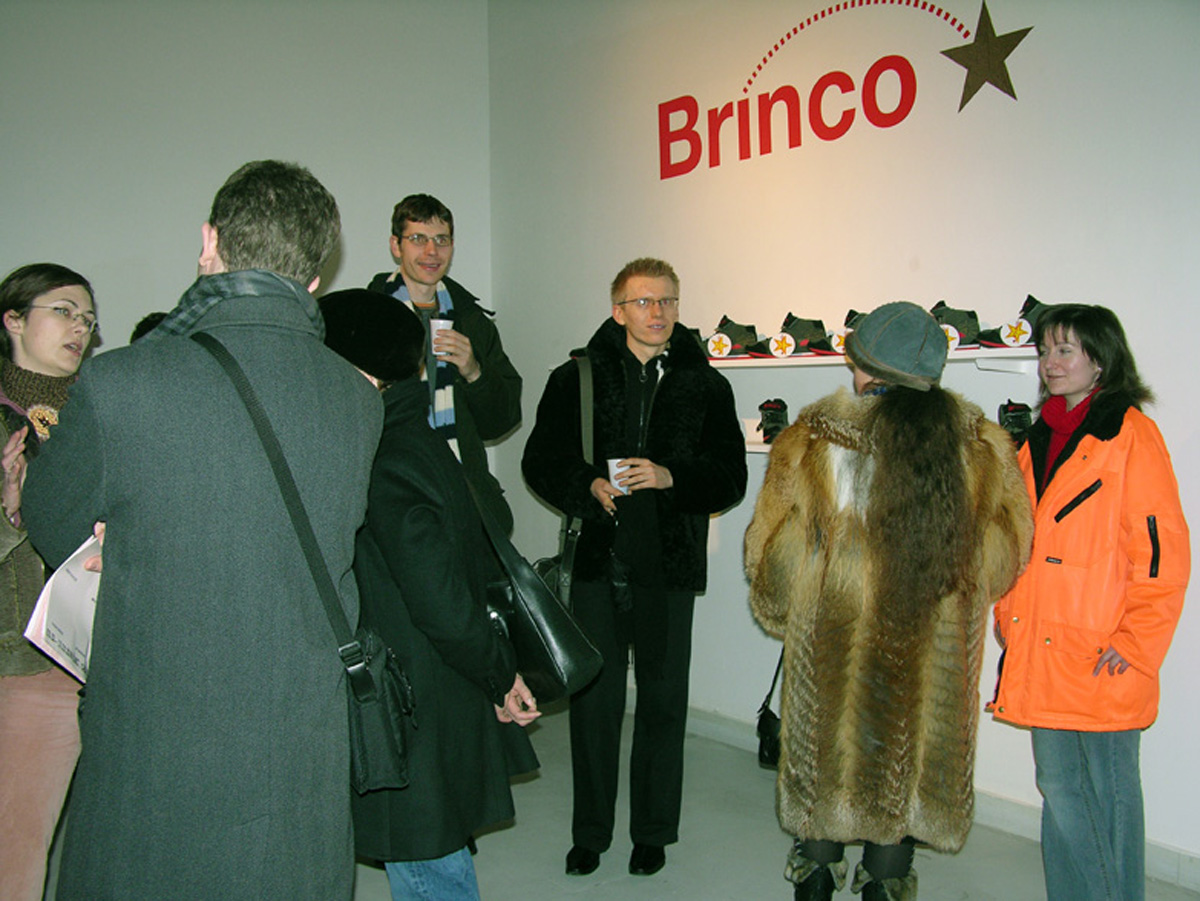
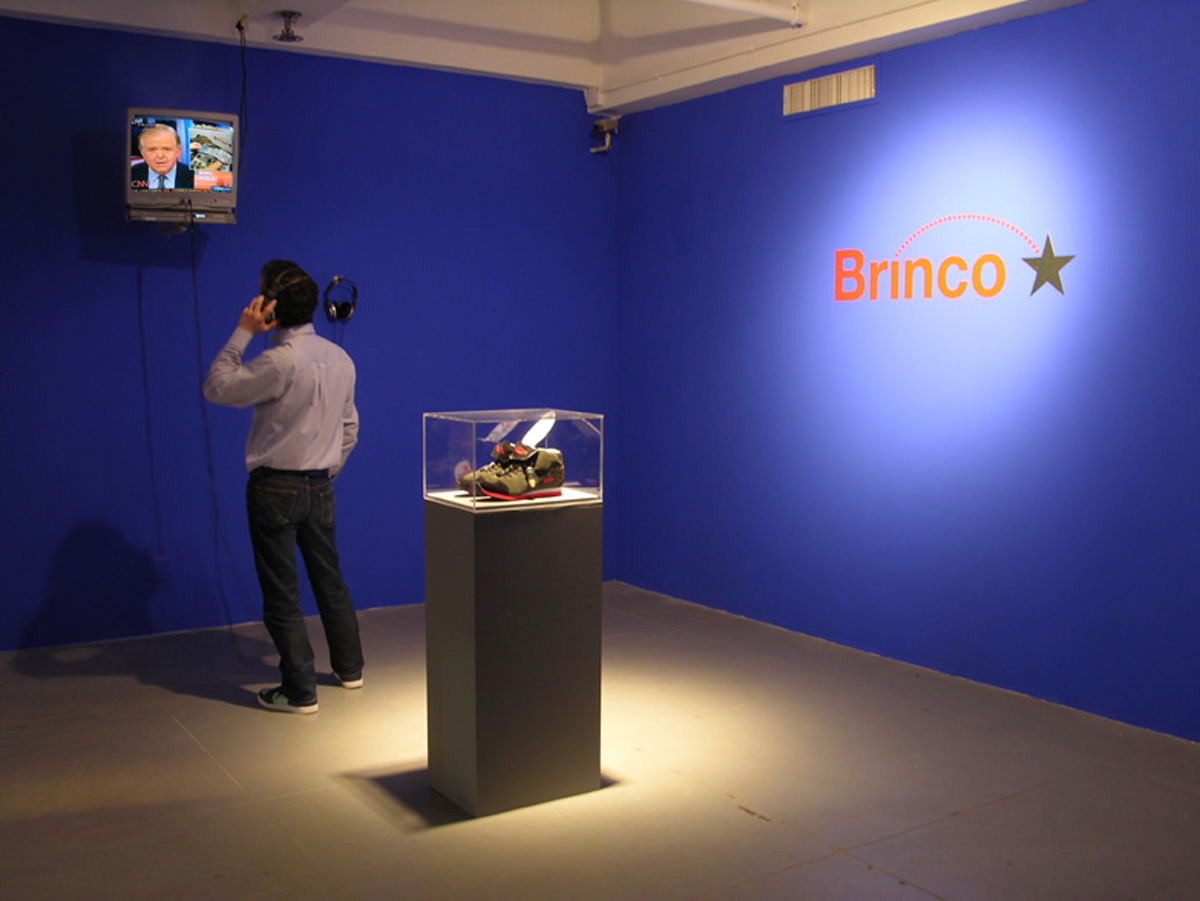
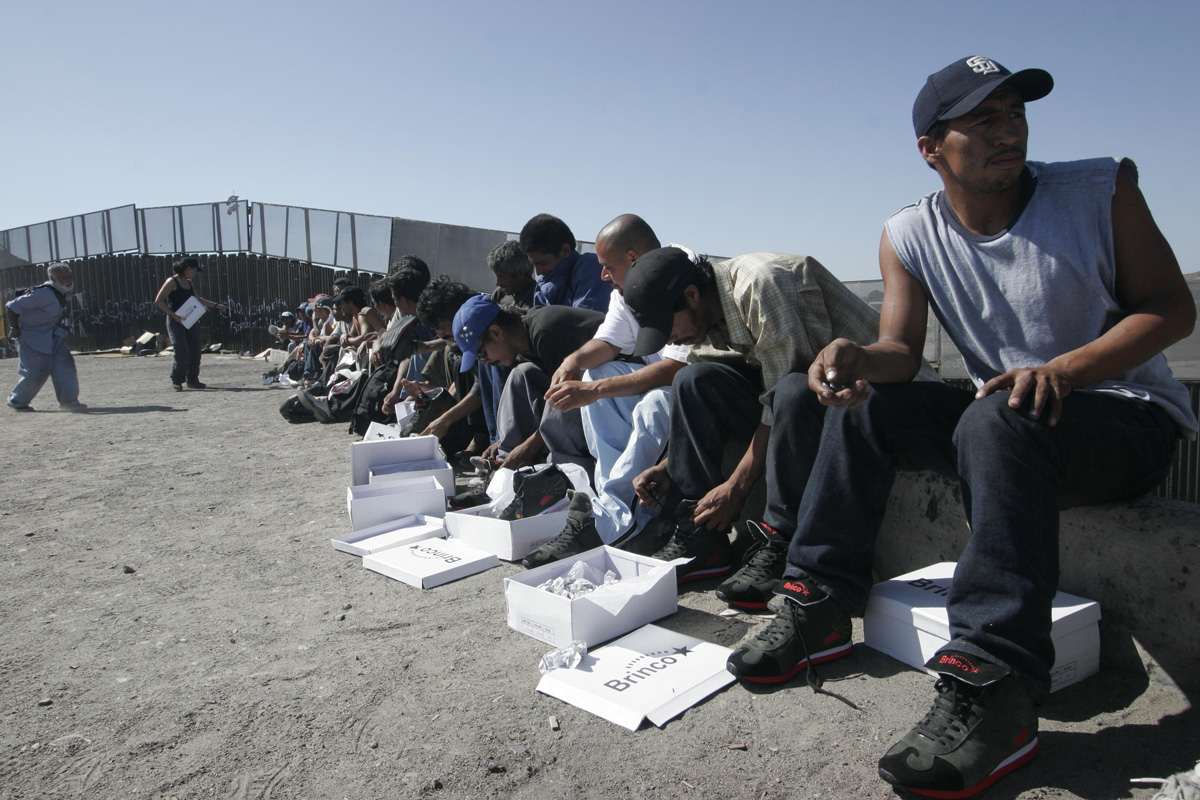
Judy Werthein artist, created the Brinco Sneakers for an exhibit at the San Diego Museum of Art in August 2005. Werthein wanted to draw attention to the difficulties endured by migrants crossing the desert to the U.S.. The sneakers include a compass, a map of the crossing area and a visible tag stating they were made in China to draw attention to the unfair labor practices there.
Lorem ipsum dolor sit amet, consectetur adipisicing elit. Voluptate facilis quasi, cupiditate, quod provident eius quam autem ad, non velit voluptates dolores eligendi, fugiat maiores. Incidunt id molestias molestiae tempore? ipsum dolor sit amet, consectetur adipisicing elit. Esse reprehenderit dicta enim, obcaecati possimus ut numquam impedit expedita corrupti tempore maiores, laboriosam iusto corporis nihil eum ab nesciunt doloribus quod! ipsum dolor sit amet, consectetur adipisicing elit. Illo libero molestias, error maxime, neque dolorem suscipit deserunt voluptatum et facere, dignissimos, ab non sit accusamus aspernatur laudantium ea blanditiis repellat.
Show More
The New York Daily News reports on a fashion shoe designer who's giving away sneakers to facilitate illegal border crossers: Brooklyn artist Judi Werthein is jumping into the volatile debate over illegal immigration by creating special high tops designed for sneaking into the United States.
Lorem ipsum dolor sit amet, con
Show More
These boots are made for... immigrating!
posted by shoepal at 11:30 AM PST (26 comments total)
(I love that the list of "participants" includes: Migrants crossing the US/Mexico border, consumers of high-end sneakers, and maquiladora workers in China.)
"The shoe includes a compass, a flashlight because people cross at night, and inside is included also some Tylenol painkillers because many people get injured during crossing," Werthein says.
posted by shoepal at 11:33 AM PST on November 17
Show More
Their designer is Judi Werthein. The high-top sneakers cost $215 at a San Diego boutique, but the designer is giving them away to migrants before they cross to this side of the U.S.-Mexican border.
These are no ordinary shoes. A compass and flashlight dangle from one shoelace. The pocket in the tongue is for money or pain relievers. A rough map of the border region is printed on a removable insole.
Show More
From: harold smith (harold.222@gmail.com)
Date: Fri, 18 Nov 2005 08:57:34 -0500
To: aabronson@printedmatter.org, mschumann@printedmatter.org, rbers@printedmatter.org
Subject: Judi Wetherin
'Unbelievable'
thats all I can think when I see that you're showing off that womans criminal 'border crossing' shoe. I guess New Yorkers will do just about anything for a buck.
I am a Washingtonian, community activist, a father (of a Manhattanite kid), and an attorney.
Don't you people see that this woman is simply enabling illegals? Even more she is helping take jobs away form needy Americans.
Personally, I think she is a traitor to the American worker and should be beat to a pulp by the same people shes helping displace. yeah, thats right...beat up. Killing her might be too harsh but I'd love to see her get a baseball bat to the head.
Palominas est le berceau des Minuteman.
Ils étaient assez en colère cette semaine.
Un épisode du feuilleton "Law and Order" les a représentés comme des chasseurs d'immigrants clandestins alors qu'ils ne font que surveiller la frontière. (Photos: SK)
Provoc
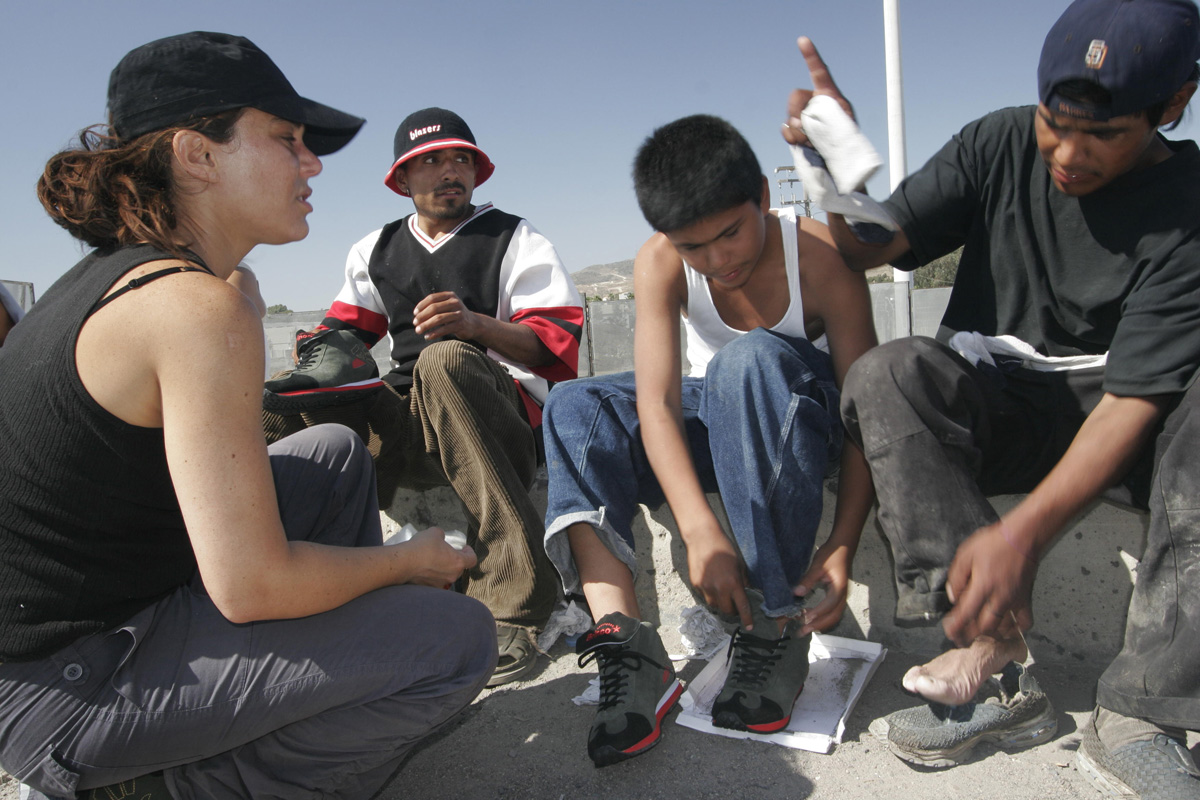
Toujours sur la frontière, mais côté Tijuana, une jeune créatrice ne craint pas d'aller à contre-courant.
Elle offre des tennis aux Mexicains qui se préparent à passer côté américain.
Judi Werthein est de Brooklyn, et d'origine Argentine.
Elle a conçu des chaussures spécial clandestin.
Dans la semelle, il y a une carte du désert, une boussole et une lampe de poche.
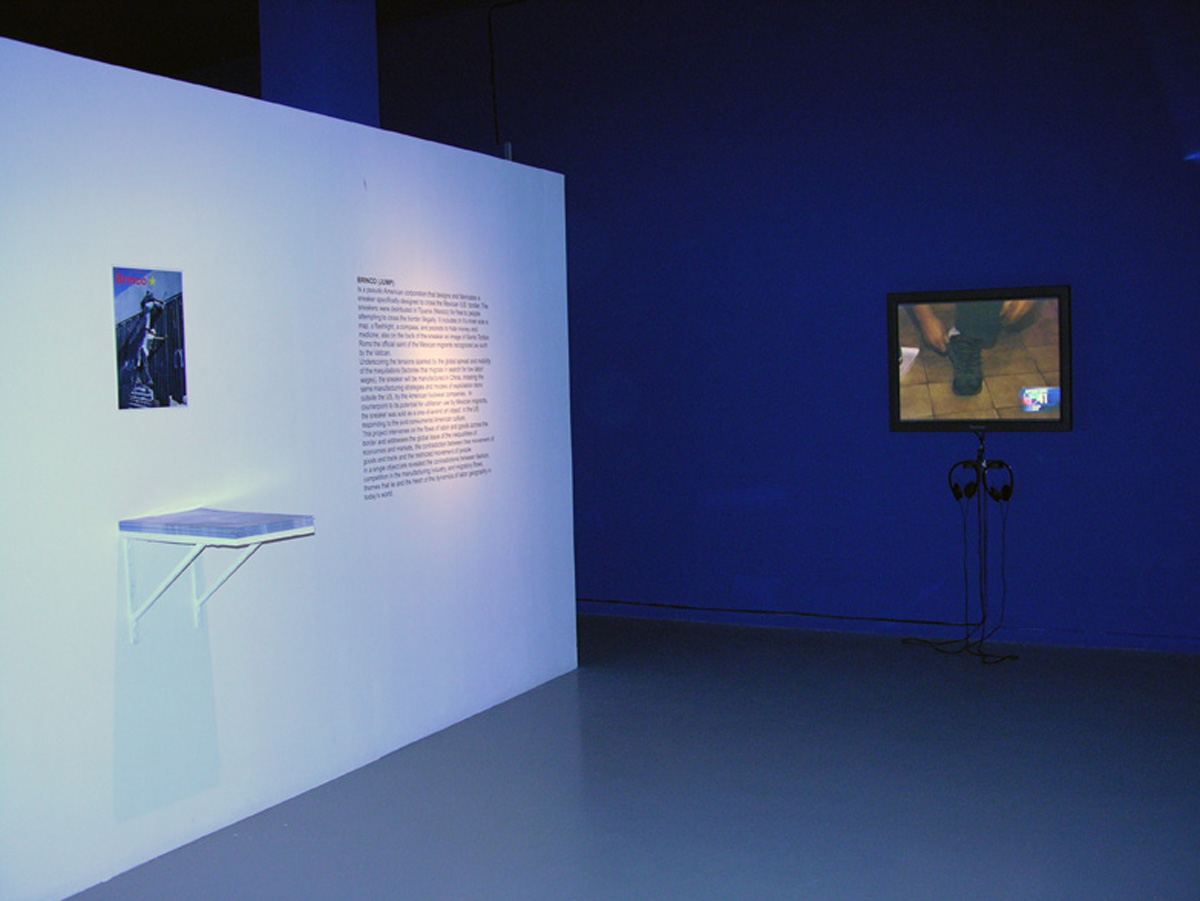
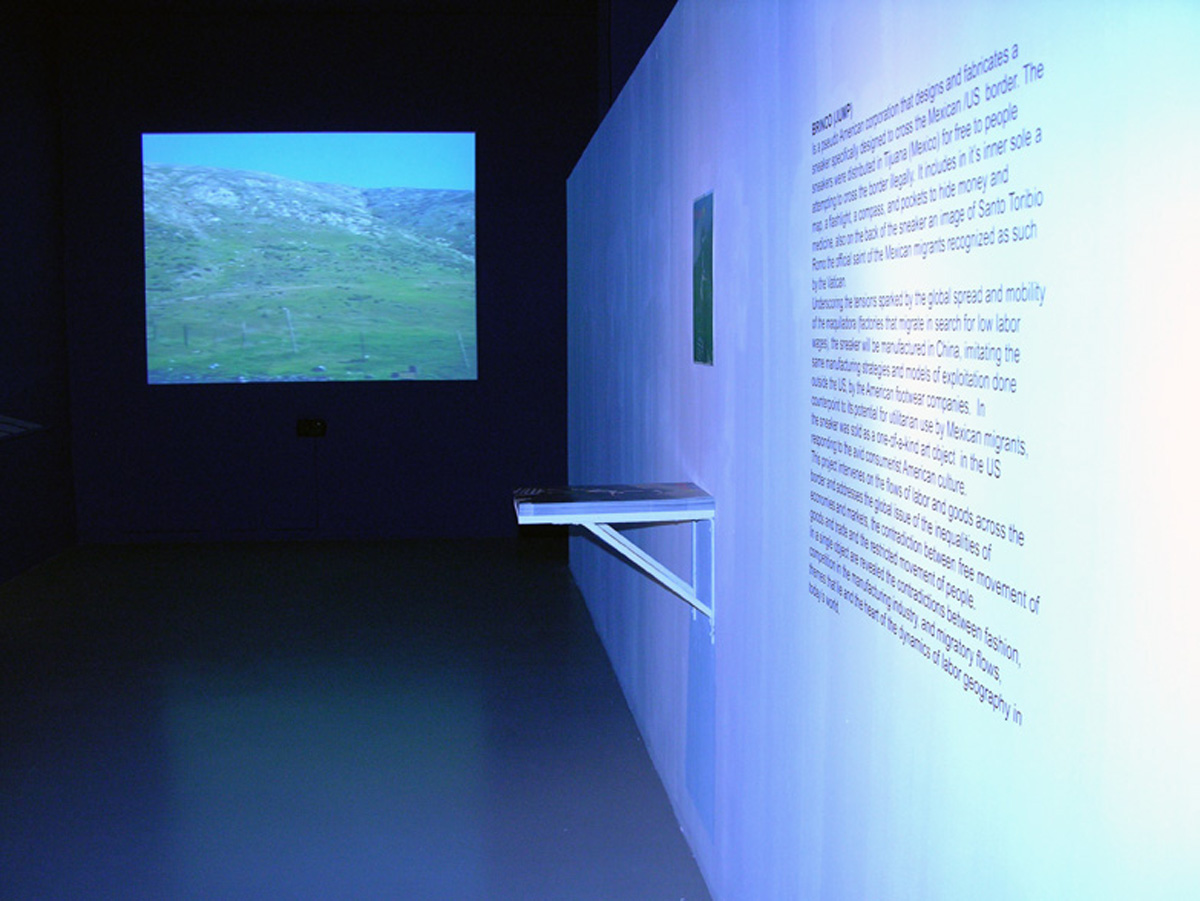
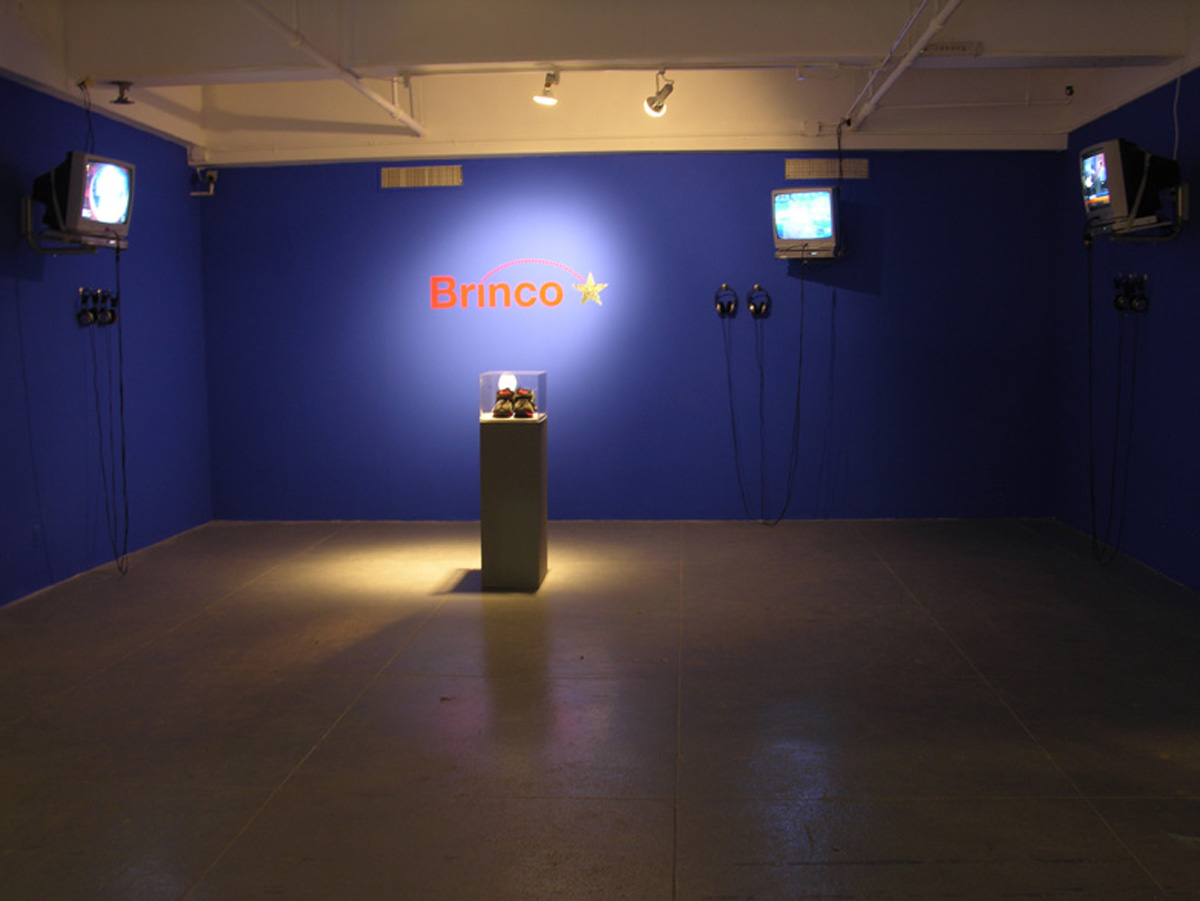
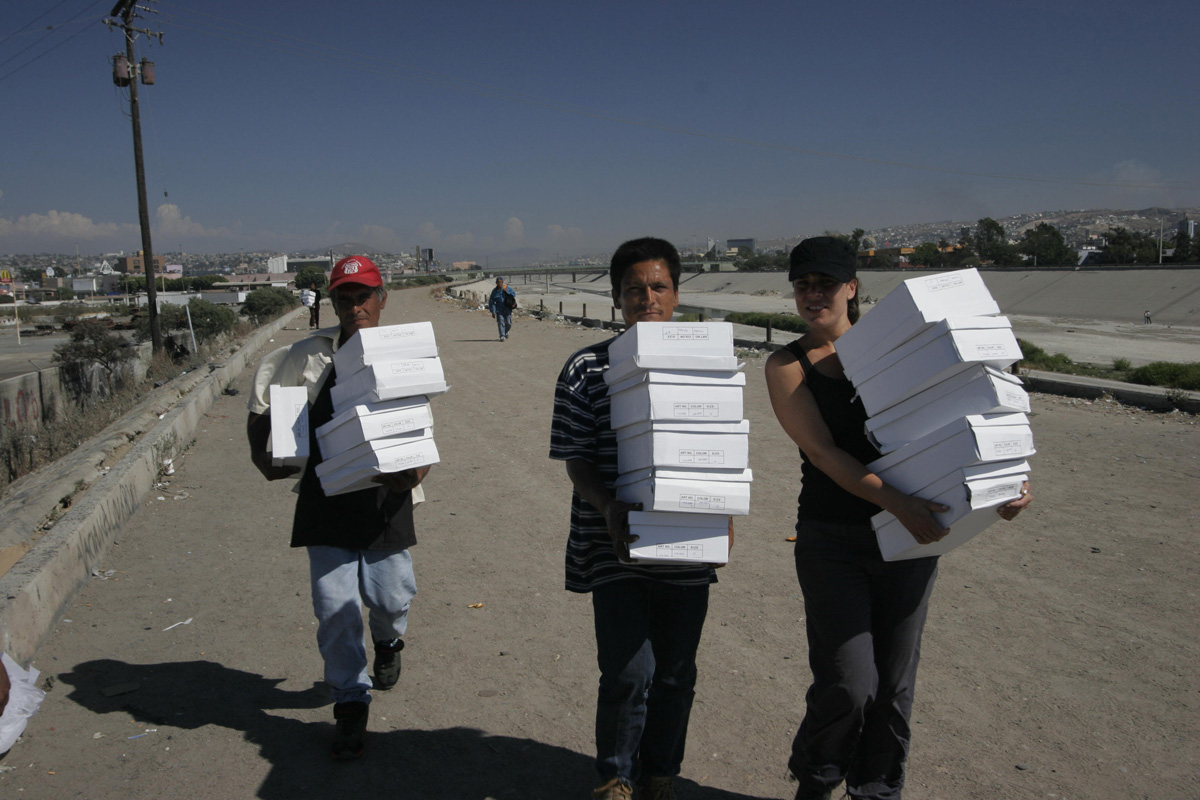
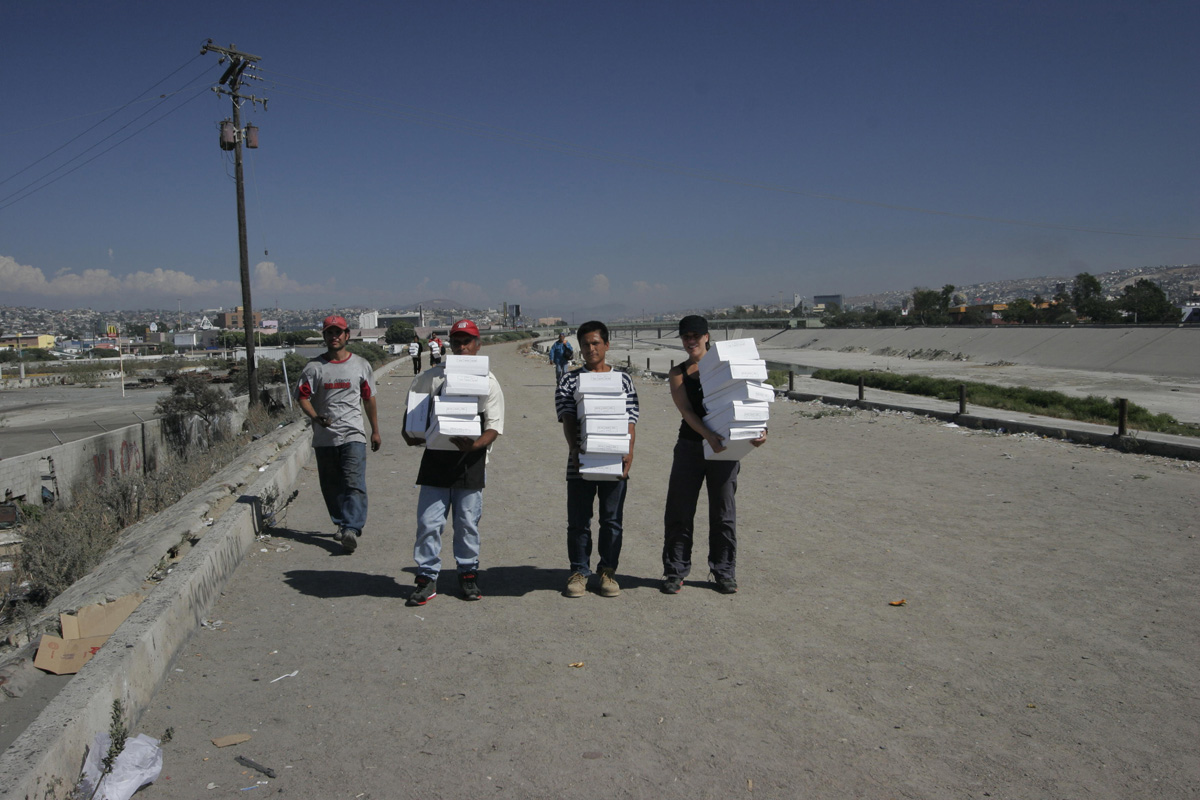
Brinco is an American corporation that manufactured a sneaker specifically designed to cross the Mexico/US border. The sneakers were distributed for free in Tijuana to people attempting to cross the border illegally.
It includes a map in it’s inner sole, a flashlight, a compass, and pockets to hide money and medicine. On the back of the sneaker is an image of Santo Toribio Romo the official saint of the Mexican migrants, recognized as such by the Vatican.
Underscoring the tensions sparked by the global spread and mobility of the maquiladoras (factories that migrate in search for low labor wages), a thousand pairs of sneakers were produced in China, imitating manufacturing strategies and models of exploitation outside the US in low-wage economies by American footwear companies.
In counterpoint to its potential for utilitarian use by Mexican migrants, the sneaker was sold as a limited edition art object in San Diego (USA) in a high-end footwear boutique that responded to the avid American consumerist culture.
Brinco inserted itself into flows of labor and goods crossing national borders to address the global issue of inequalities of economies and markets, presenting the contradiction between free movement of goods and the restricted movement of people. In a single object Brinco reveals the conflicting positions between fashion, competition in the manufacturing industry, and migratory flows, themes that lie and the heart of the dynamics of labor geography in today’s world.
Donna Cornwell
Assistant curator InSite_05